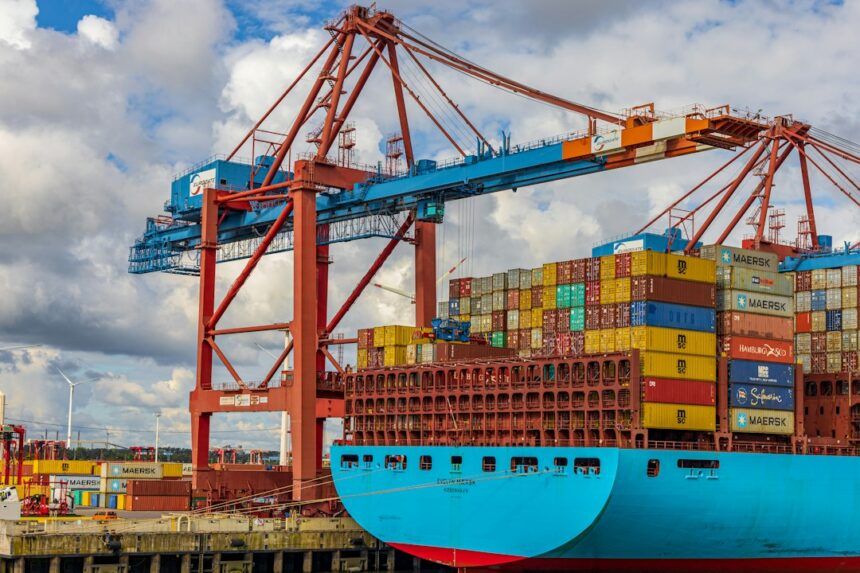
The global shipping industry is experiencing a rapid increase in orders for alternative-fuel vessels, with a report from Lloyd’s Register indicating that 1,942 such vessels were on order as of January 2026. This figure represents a substantial 47% of the global orderbook by tonnage, according to Clarksons Research.
Infrastructure Shortcomings
Despite the surge in orders for alternative-fuel vessels, the availability of necessary bunkering infrastructure varies widely. Liquefied natural gas (LNG) remains the most accessible alternative, with 222 ports worldwide equipped for LNG bunkering. In stark contrast, only 25 ports offer methanol bunkering, and commercial ammonia bunkering has been recorded at just one port, specifically following its inaugural operation in Ulsan, South Korea, in April 2026.
This disparity presents a growing challenge for shipowners investing in cleaner propulsion technologies. Kamran Ul Haq, Senior Vice President of Lloyd’s Register Ports Advisory, underscored that while owners can place orders for alternative-fuel vessels, the requisite fuel may not be available at their ports of call. Therefore, fuel strategy and trading operations must be integrated into a unified approach.

Market Dynamics and Trends
The findings emerge amid a notable uptick in alternative-fuel orders, predominantly led by LNG, which accounted for 48 of the 69 alternative-fuel vessels ordered in September 2026—marking the highest monthly total in two years. The overall orders for alternative-fuel vessels reached 311 during the first nine months of 2026, reflecting a 53% increase from the same period in 2025. LNG’s established global supply network and proven technology provide shipowners with greater operational flexibility compared to emerging alternatives like methanol and ammonia.
Shipowners are increasingly focused on LNG due to its maturity and viability, while methanol is gaining traction in global bunkering hubs. Ammonia, still in the early stages of adoption, sees most ports engaging in pilot projects and regulatory assessments to prepare for future operations.
Port Strategies and Recommendations
The challenge facing port authorities is underscored further as they contemplate infrastructure investments. As highlighted in recent findings from the ports of Los Angeles and Long Beach, focusing on LNG and methanol is deemed most viable for the near to medium term. Their Clean Marine Fuel Feasibility Assessment recommends a methodical approach to infrastructure development that leverages existing bunkering capabilities for LNG while pursuing pilot projects for methanol.
Lloyd’s Register concurs with this strategic outlook, noting that ports should tailor their investments to align with credible fuel demands instead of attempting to support all emerging technologies. Ul Haq emphasized that ports need to ascertain where genuine demand will manifest and establish necessary safety, regulatory, and partnership frameworks.
Behind the Headline
The pace at which alternative-fuel vessels are being ordered significantly outstrips the current development of supporting infrastructure, which poses operational challenges for shipowners and port authorities alike. The focus on LNG underscores its readiness for widespread adoption, while methanol and ammonia still need to overcome considerable barriers to entry. As the shipping industry evolves, stakeholders must be proactive in aligning vessel capabilities with available resources, ensuring that fuel strategies are not merely aspirational but operationally viable.