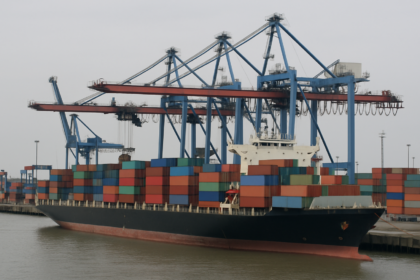
On Monday, November 2, 2026, the Baltic Dry Index (BDI) witnessed a decline of 66 points, settling at 2648 points. This decrease highlights ongoing fluctuations in shipping costs, particularly for bulk commodities such as coal, grain, and iron ore.
Understanding the Baltic Dry Index
The Baltic Dry Index is a benchmark that reflects the cost of shipping goods by sea. Compiled by the London-based Baltic Exchange, the index is derived from a daily survey of shipbrokers and agents around the world, providing insights into the global transportation market.

Historical Context
Since its peak on May 20, 2008, at 11,793 points, the Baltic Dry Index has experienced significant volatility. The lowest level in recent history was recorded on February 10, 2016, when the index dropped to just 290 points. Such fluctuations indicate the challenges that the shipping industry faces, influenced by various factors including demand, fleet capacity, and global economic conditions.


Market Implications
The current decline in the BDI raises questions about the robustness of shipping rates and, subsequently, trade volumes. As the index provides a crucial barometer for the health of the maritime industry, operators, and stakeholders are advised to closely monitor this trend to make informed decisions regarding chartering and operational strategies.
Behind the Headline
The recent decline in the Baltic Dry Index serves as a key indicator of shifting dynamics within the shipping sector. A consistent decrease in the index can impact charter rates, influencing charterers’ negotiations and potentially leading to adjustments in laytime and demurrage terms. Additionally, operators may find pressure on profit margins, especially in the context of rising fuel costs and changing regulatory frameworks. Operators should remain vigilant about market signals and consider strategies to optimize shipping routes and costs in response to these trends.