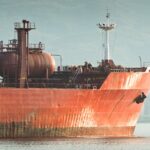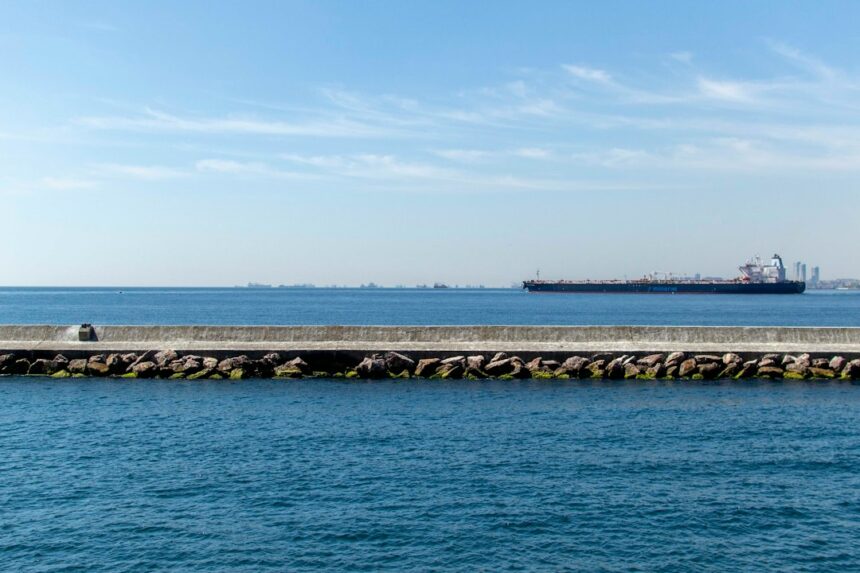
A Panama-flagged tanker, the Louise 1, was set ablaze in the Strait of Hormuz after attackers employed a novel tactic by attaching explosives to its hull. The incident occurred late yesterday, approximately 25 nautical miles northeast of Khasab, Oman.
The Incident
This attack marks a significant escalation in threats against commercial shipping in one of the world’s most crucial maritime corridors. The use of explosives affixed directly to the hull of the vessel is an alarming deviation from previous methods of maritime assault, which typically involved missile strikes or underwater mines. While specific details regarding casualties or damage remain undisclosed, the implications of such tactics could reshape operational strategies for shipping lines traversing the region.
Market Impact
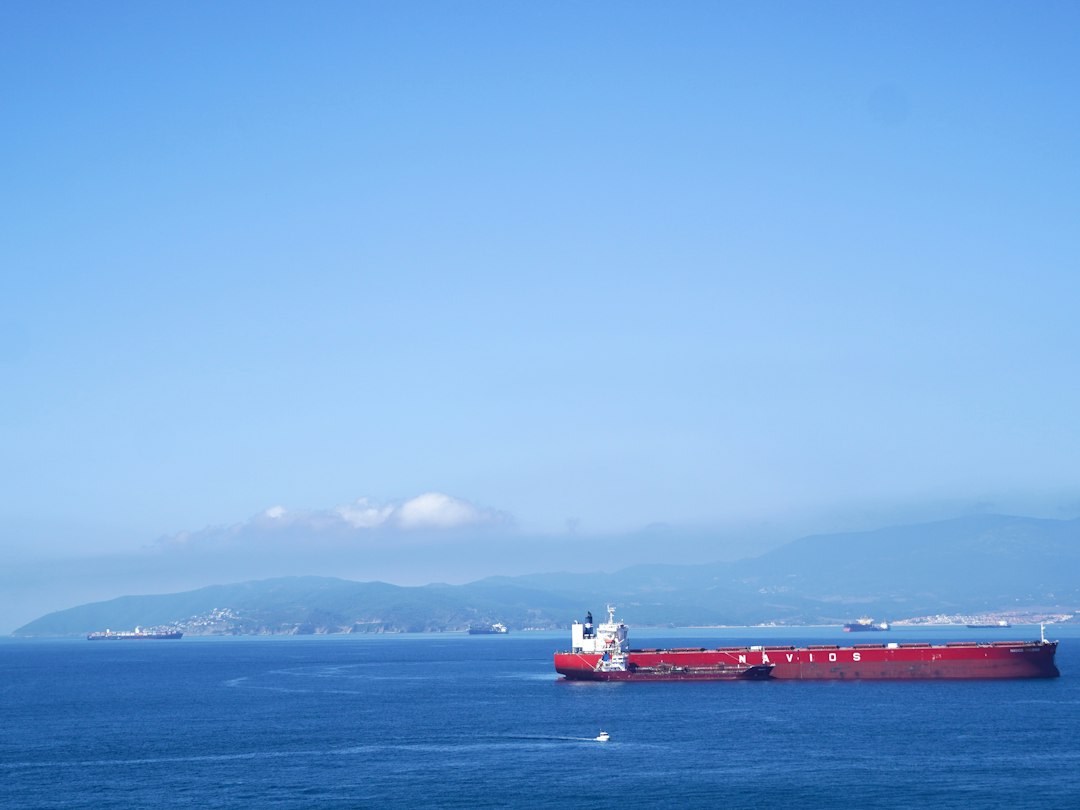
The Strait of Hormuz is strategically vital, with a substantial portion of the world’s oil supply transiting through its waters daily. The attack on the Louise 1 is likely to raise war-risk premiums and prompt shipping companies to reassess their routing and security protocols. Increased insurance costs or rerouting via longer, more secure pathways could significantly disrupt established shipping patterns, resulting in longer transit times and elevated freight rates.


Operator Response
In light of this attack, maritime security agencies are boosting surveillance and patrols in the region. Shipping operators will likely implement enhanced security measures, including real-time monitoring and potential re-evaluations of vessel hardening against such threats. The maritime industry is now poised to engage with government and military authorities to address the rising dangers present in the Strait of Hormuz.
The Operational Read
The recent attack on the Louise 1 highlights serious operational challenges for shipping lines operating in high-risk areas. Companies must reinforce their risk assessments and security protocols, potentially investing in defensive technologies and faster response options. It is vital for operators to remain vigilant and maintain effective communications with authorities to mitigate threats effectively. Future patterns in regional security will likely influence strategic decision-making, including cargo routing and vessel utilization, as the threat landscape evolves.