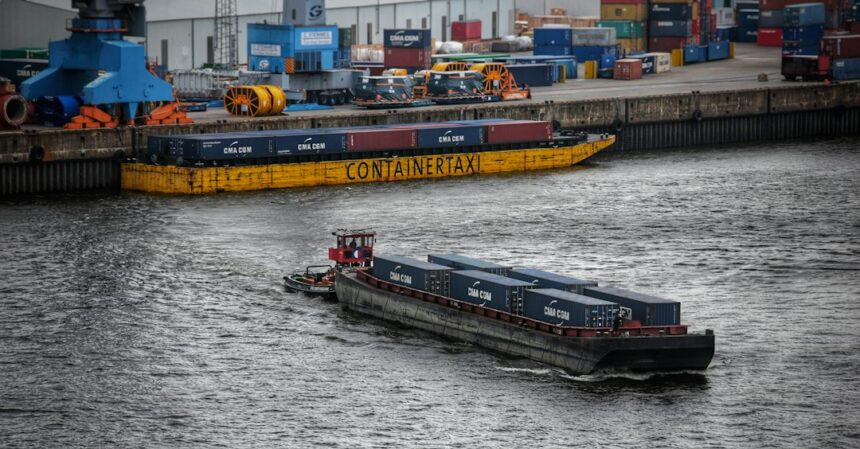
On October 26, water levels on the Rhine, a vital European inland waterway for freight transport, rose above 50 centimeters, marking a significant change after weeks of critically low levels. According to data from the German water authority WSV, levels are predicted to hover around 70 centimeters over the next few days, providing a temporary uplift for logistics.
The Current Situation
At Kaub, the Rhine’s shallowest point, water levels recorded 56 cm in the late afternoon on October 26, with expectations to exceed 70 cm by the day’s end. This marked the first instance since September 4 that levels have surpassed 50 cm. However, perspectives from market participants suggest that this rebound is short-term in nature, as previous weeks saw levels dip below 10 cm.
Due to severely diminished water levels, refiners had been increasingly reliant on trucks, rail, pipelines, and some coaster movements to deliver products. A European market participant noted that while recent water level increases have sparked renewed activity, the window for barge passage through critical areas, such as Maxau, is too limited to alleviate ongoing logistical constraints.


Regional Supply Chain Impacts
Conditions remain particularly difficult in Switzerland, where fuel product inventories are critically low. In response, the Swiss government authorized the release of diesel inventories on October 23 to combat shortages linked to delays in pipeline deliveries attributed to heavy rainfall in southern France. The release of jet fuel stocks earlier this month underscores the urgency of the situation.
The Swiss Federal Office for National Economic Supply emphasized the vulnerability of Switzerland’s logistical supply chain, stating that issues in one transport mode could quickly result in further bottlenecks. In contrast, Germany is relatively less affected due to its larger refining capacity and better connectivity to Rhine supply routes.
However, low water levels continue to disrupt river transportation. Rail options in Germany are also restricted owing to the ongoing refurbishment of the right-bank Middle Rhine Line, which is expected to remain closed until December 12.
Market Dynamics and Future Outlook
The situation for refiners along the Rhine has shown little improvement, with the average water level around Kaub remaining at only 14 cm for October. While crude supply remains stable, challenges persist in moving refined products, with increased freight costs aggravating the situation. Analysts from S&P Global Energy CERA, including Sammir Lesage, forecast that these additional costs will be passed along to consumers, heightening the burden of recent logistical issues.
As a point of reference, the price for ULSD 10 ppm Northwest European Cargo was assessed at $1,524.75 per metric ton on October 23, indicating a notable increase from earlier months.
Behind the Headline
The fluctuations in Rhine water levels highlight the fragility of freight logistics in central Europe, particularly concerning hydrocarbon supply chains. Operating below optimum levels significantly increases transport costs, which inevitably transfers the financial impact onto end consumers. Stakeholders should monitor water level forecasts, as further declines could lead to pronounced supply deficiencies, reinforcing the need for strategic adjustments in transport modes and inventory management.