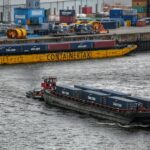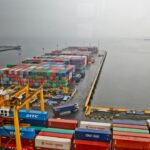
Spanish shipping group Boluda has finalized an agreement to acquire the Netherlands-headquartered multimodal operator Samskip, a significant move that will consolidate two prominent European shortsea businesses. The deal encompasses a fleet of 32 vessels and 18 critical shipping routes, enhancing Boluda’s position in the shortsea segment.
Details of the Acquisition
The agreement between Boluda and Samskip marks a pivotal development in the European shipping landscape. By integrating Samskip’s established northern European operations with its existing container shipping network, Boluda aims to create a seamless intermodal transport system. This development facilitates connectivity across 28 countries, encompassing major trading routes and logistical hubs.

Strategic Implications
With this acquisition, Boluda is set to leverage Samskip’s extensive operational experience in multimodal transport, which combines sea, road, and rail services. The expansion will not only strengthen its competitive edge but also provide enhanced service offerings and greater flexibility for customers throughout the region. This strategic decision aligns with industry trends prioritizing efficiency and sustainability in shipping operations.


Market Response
Market analysts suggest that the acquisition could lead to a reshaping of multimodal transport strategies in Europe, particularly as operators seek to optimize supply chain efficiencies. The increasing pressure on shipping companies to reduce carbon footprints may also drive innovations in the newly combined fleet’s operations.
Behind the Headline
This acquisition of Samskip by Boluda underscores a broader trend in the maritime industry where consolidation is becoming essential for enhancing operational capabilities and service efficiencies. The integration of diverse shipping services can facilitate more streamlined operations, offering customers increased choices and potentially lower costs. In the face of heightened competition and evolving market demands, operators must remain agile and strategic, while continuously adapting to emerging challenges such as regulatory pressures and sustainability commitments.