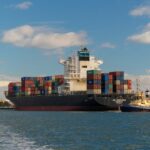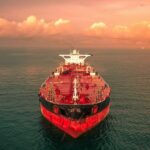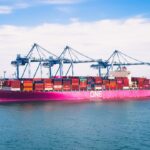


Seven prominent Japanese shipping companies have announced a collaborative effort to develop four ammonia-fuelled car carriers, aiming to establish an integrated bunkering network to support this alternative fuel initiative. The consortium includes Nippon Yusen Kaisha (NYK) and Kawasaki Kisen Kaisha (K Line), each set to operate two of the new vessels, projected for delivery in 2030.
The Project Details
This ambitious project underscores the growing commitment among shipping firms to adopt sustainable fuel options in light of stricter environmental regulations and the global push towards decarbonization. The four vessels will not only enhance the operational capabilities of the involved companies but also contribute to the establishment of necessary infrastructure for bunkering ammonia, a fuel recognized for its potential to reduce greenhouse gas emissions in shipping.
Industry Implications
The collaboration reflects a significant shift in the industry’s approach to fuel sourcing. Ammonia, while still in the early stages of commercial viability in the maritime sector, presents several advantages including its ability to be sourced from renewable energy. The establishment of a bunkering network is critical as it will facilitate the safe and efficient fueling of these vessels, addressing one of the primary barriers to widespread adoption of alternative fuels.

Behind the Headline
The transition to ammonia as a fuel source presents both operational and logistical challenges for shipping companies. It necessitates modifications to vessel design for compatibility with ammonia and a comprehensive understanding of the safety protocols involved in its storage and handling. The integrated bunkering network will play a crucial role in mitigating these challenges. As this project progresses, stakeholders should closely monitor technological developments, regulatory frameworks, and the scaling of ammonia production to assess the broader implications for the shipping industry’s path towards decarbonization.