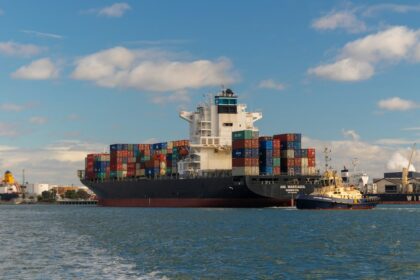
Mercuria Energy Group has launched a legal challenge against the Baltic Exchange, calling into question the continued publication of the TD3C benchmark for oil tanker rates amidst disruptions from the Iran conflict. The case commenced in London and could have significant implications for how global tanker pricing is determined during geopolitical tensions.
The Background
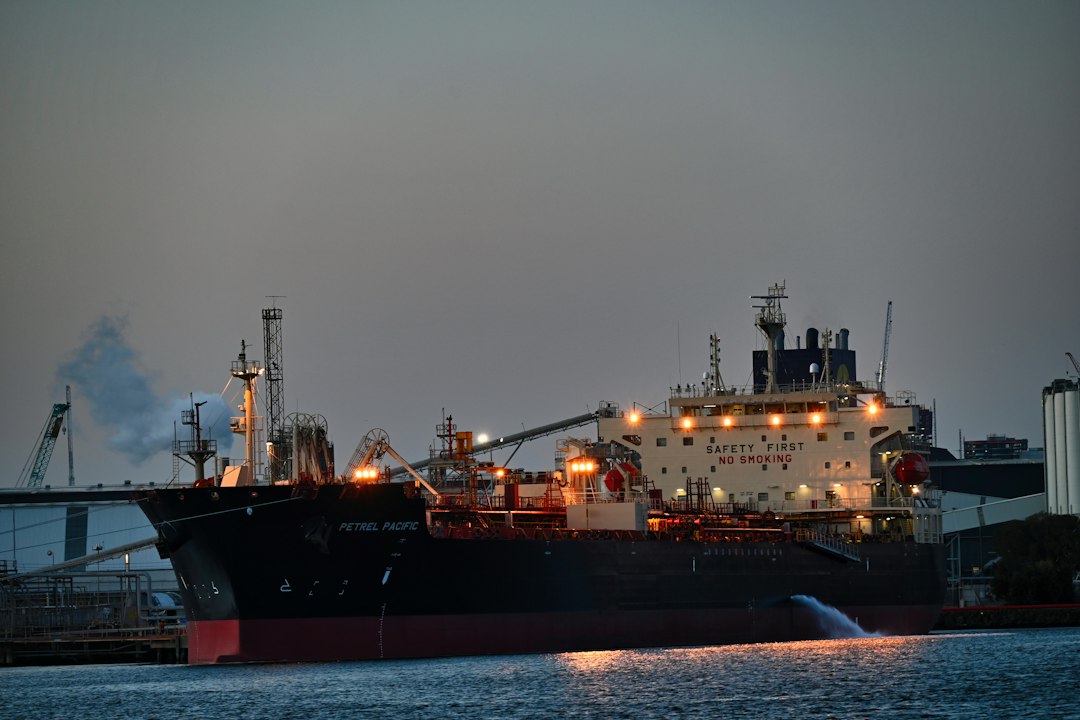
The TD3C benchmark is crucial for oil shipping contracts, underpinning billions of dollars in derivatives and the earnings of tanker operators. It reflects the cost of hiring a supertanker from Ras Tanura in Saudi Arabia to China. Mercuria’s lawyers argue that the Baltic Exchange failed to suspend this benchmark in light of the severe impact of the ongoing conflict, which has affected oil exports through the Strait of Hormuz.
The Baltic Exchange, established in 1774, counters that it has diligently consulted with the market and believes it is still possible to price freight risk despite the disruptions. Its Chief Executive Officer, Mark Jackson, stated that the allegation from Mercuria lacks merit, asserting that the Exchange has adhered to all obligations in maintaining the TD3C benchmark.


The Legal Arguments
In court, Mercuria presented evidence suggesting internal disagreement among Baltic Exchange staff regarding the appropriateness of continuing the TD3C assessments. Notably, a freight assessor described the ongoing publication as “crazy” and indicated uncertainty about the reliability of the rate during such fluctuations. Mercuria contends that the Baltic’s decision was driven by the fear of losing market share to competitors.
Lawyers representing the Baltic Exchange refuted this claim, stating that the operational reality of shipping through Hormuz remained viable, which justified the continuation of the benchmark. They emphasized that Mercuria’s request to unseat the TD3C benchmark stems from its own risk management failures rather than a fault in the Index itself.
The Industry Implications
The trial’s outcome could reshape the landscape of oil shipping rates and how benchmarks are utilized in times of market disruption. Should the court side with Mercuria, it might set a precedent for how feverish geopolitical scenarios affect pricing mechanisms in the maritime industry. Conversely, an affirmation of the Baltic Exchange’s actions could reinforce confidence in existing benchmark processes, vital for ensuring stability in fluctuating markets.
Behind the Headline
This legal challenge underscores the intricate interplay between geopolitical events and maritime economics. For operators and charterers, the TD3C benchmark serves as a critical financial tool, directly influencing contract valuations and operational strategies. Any alterations to this framework may necessitate a re-evaluation of risk management practices across the industry, particularly amid prevailing global tensions. Stakeholders should monitor the trial’s progression closely, as its ramifications could prompt a shift in standard procedures for benchmark assessments during crises.