A bipartisan coalition of U.S. lawmakers has sounded the alarm for major banks and port authorities regarding the facilitation of Russian diesel shipments following President Donald Trump’s controversial agreement with Vladimir Putin. This warning indicates the potential for imminent legal actions and congressional investigations as tankers laden with Russian fuel navigate towards U.S. shores.
The Congressional Warning
In a letter dated October 24, lawmakers urged six significant financial institutions and port authorities in Texas and New York to maintain thorough records connected to Russian diesel transactions. The signatories include influential figures such as Senator Jeanne Shaheen, the ranking Democrat on the Senate Foreign Relations Committee, among others. The letter emphasizes the need for documentation, encompassing shipping documents, vessel records, contracts, and communications with government officials.
The correspondence specifically requests confirmation by October 28 that pertinent records are being preserved, advising against any involvement in purchasing, transporting, importation, unloading, storage, financing, or distributing Russian-origin diesel in the U.S.



Upcoming Shipments and Legal Concerns
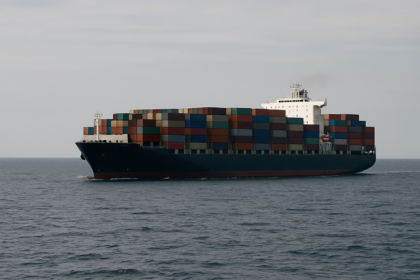
The warning coincides with the imminent arrival of Russian diesel shipments, the first under Trump’s agreement, which temporarily alleviated sanctions in a bid to decrease surging fuel prices. One notable shipment includes the Vietnamese-flagged tanker PVT Azura, carrying approximately 109,000 barrels of diesel, set to reach Norfolk, Virginia, on November 2. Another vessel, the Malta-flagged Agioi Fanendes, has already loaded 40,000 metric tons of diesel in Russia, with an expected arrival in New York on November 7.
The U.S. Treasury Department has issued General License 135, permitting transactions involving Russian-origin diesel until April 7, 2027. However, lawmakers contend that this arrangement clashes with the Ending Importation of Russian Oil Act of 2022, enacted in response to Russia’s incursion into Ukraine.
Market Implications
The congressional opposition underscores the complexities of international trade and legislation surrounding Russian derivatives. As the political landscape continues to evolve ahead of the upcoming midterm elections, potential leadership changes in congressional committees could amplify scrutiny of the administration’s dealings with Russia in the energy sector.
Behind the Headline
This situation highlights the intricate balance between regulatory frameworks and the pressures of international diplomacy in the shipping sector. U.S. operators must navigate a challenging environment where legal compliance with sanctions must align with market needs. The forthcoming shipments not only raise questions about the legitimacy of the current arrangement but also illuminate the risks banks and port authorities face. Compliance measures will be essential, as failures to adhere to legal stipulations may attract severe penalties. The situation is developing, and stakeholders are advised to closely monitor regulatory updates.