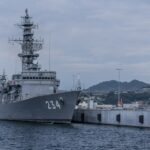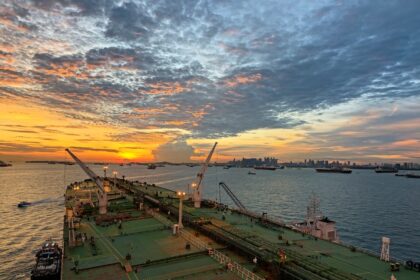
The situation in the Strait of Hormuz has escalated, with U.S. Central Command (CENTCOM) claiming control while confronting an alarming increase in maritime threats. In a statement released on Thursday, CENTCOM reported that over 40 commercial ships transited through the strait within a 24-hour period. However, maritime security officials express concern regarding a series of attacks on merchant vessels, indicating a warning of severe threats to shipping.
The Incident
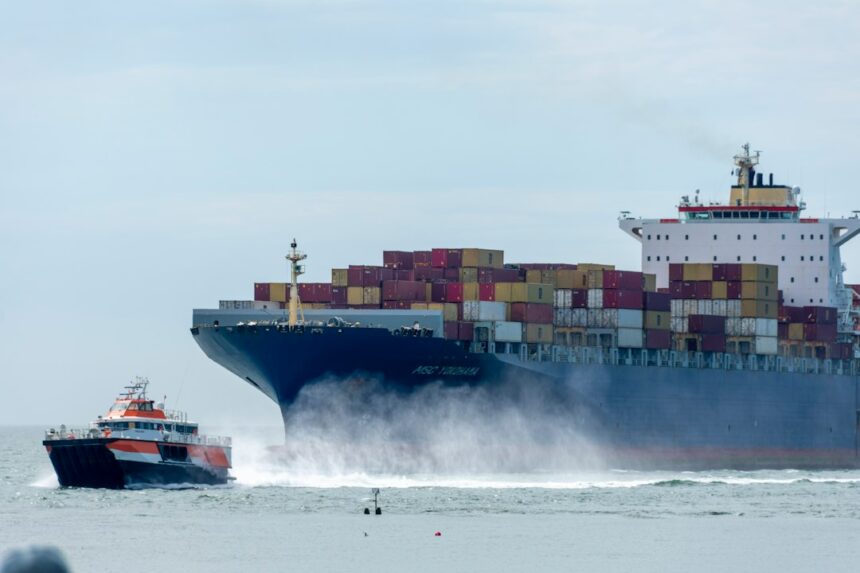
On October 13, the Singapore-flagged container ship GFS Pride was struck by a projectile believed to have been launched by the Iranian Revolutionary Guard Corps (IRGC), leading to a fire on the vessel and its subsequent sinking the following day. All 21 crew members were safely evacuated prior to the sinking. CENTCOM refuted Iranian assertions that the ship had struck a naval mine, maintaining that the vessel was attacked while navigating through what was considered an authorized route. This incident highlights the precarious nature of maritime operations in the region, as attacks on commercial shipping have intensified.
According to the Joint Maritime Information Center (JMIC), a recent advisory highlighted eight projectile attacks occurring in the strait from October 11 to 13, affecting four tankers and four containerships. These findings maintain the threat assessment for the Strait of Hormuz at a severe level, with predictions for future hostility against commercial vessels remaining high. Despite the U.S. military presence asserting control, the reality of maritime safety is challenged by ongoing IRGC activities, including surveillance and drone overflights.

Traffic Assessment
Traffic through the Strait of Hormuz remains markedly below prewar levels, despite CENTCOM’s reported figure of over 40 vessels transiting in a single day. According to JMIC’s advisory released on October 15, commercial vessel transits totaled only 121 over a four-day period from October 11 to 14, averaging roughly 30 vessels per day. This is significantly below the historical average of approximately 138 daily transits recorded in 2025 prior to the conflict. Ongoing military claims do not correlate with independent commercial tracking, which indicates much lower traffic figures.
The discrepancy in reported figures underscores the complexities of navigation through the strait, where despite the presence of U.S. and allied forces, many operators are understandably cautious, opting to avoid potential risks. The JMIC has documented a series of concerns including threats of mining activities near established routes, which impacts shipping confidence altogether.
The Operational Read
The operational landscape in the Strait of Hormuz is characterized by mounting maritime threats juxtaposed with military assurances. While CENTCOM asserts a degree of control, the low volume of commercial traffic indicates that operators remain wary of the region’s security challenges. With ongoing Iranian activities and the potential for further attacks, charterers and shipping lines need to assess operational routes carefully, potentially considering alternative paths to maintain safety and compliance. Vigilance and enhanced security protocols will be essential for vessels transiting this pivotal chokepoint, as the market navigates a shifting threat environment.