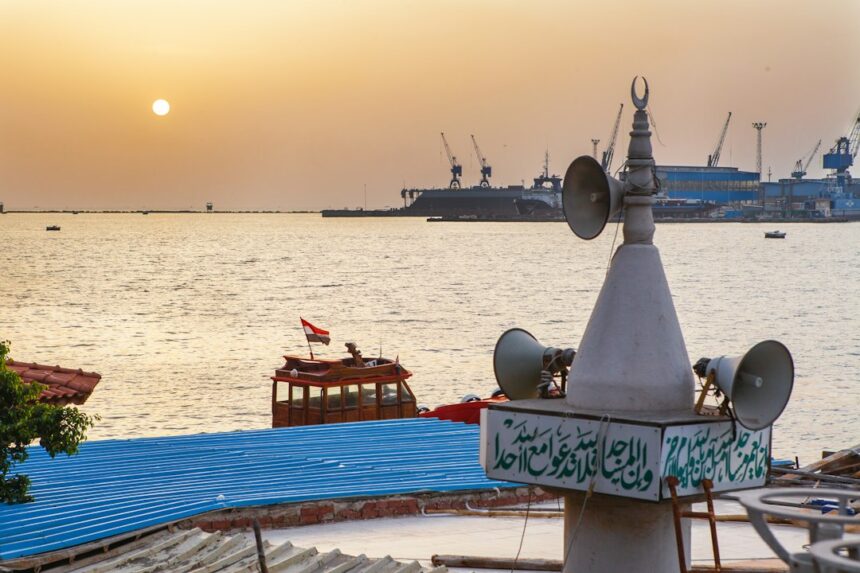
The Suez Canal Authority (SCA) has introduced new regulations requiring mandatory inspections and trials for vessels aged 25 years and older. This move increases operational costs and could result in significant delays for operators of aging tonnage traversing one of the most vital maritime routes.
Details of the New Regulations
Effective immediately, the regulations stipulate that vessels over 25 years must pass a comprehensive inspection and undergo operational trials to secure transit permission through the canal. All relevant fees for these services are to be borne by the vessel operators. These measures reflect the SCA’s commitment to maintaining safety standards and operational efficiency, particularly given the high traffic volume in the Suez Canal.
Operational Implications
The implications of these regulations are manifold for shipping operators. Vessels that fail to meet inspection criteria might face restrictions that complicate logistical operations and could lead to longer transit times. This tightening of policies is significant for companies relying on older fleets, as they now must navigate not only the rising operational costs but also the potential need for fleet upgrades or replacements.


Market Reactions
Within the shipping industry, there is growing apprehension regarding the financial impact of these inspections and trials. Operators may need to reassess their strategies, especially if they possess older tonnage that could encounter compliance challenges. The resulting operational delays and increased costs could incentivize a shift towards younger fleets or prompt refurbishments to meet SCA standards.
Behind the Headline
The introduction of mandatory inspections for older vessels marks a critical shift in the Suez Canal’s operational landscape. This development will likely drive operators to consider fleet renewal and modernization strategies due to the new compliance costs and time implications associated with older tonnage. For crew and charterers, the changes underscore the importance of maintaining vessel safety and compliance, ensuring smooth passage through this key maritime corridor. Observers should monitor how these regulations influence shipping routes and operators’ decisions on fleet management moving forward.