Update 14 Oct 2026, 18:32 UTC:
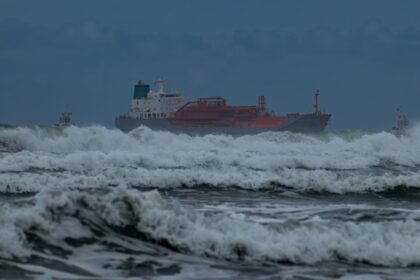
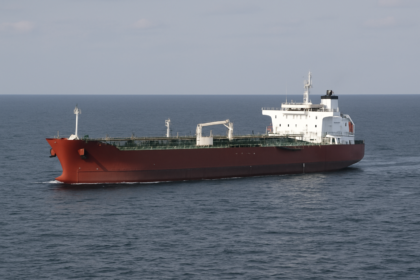
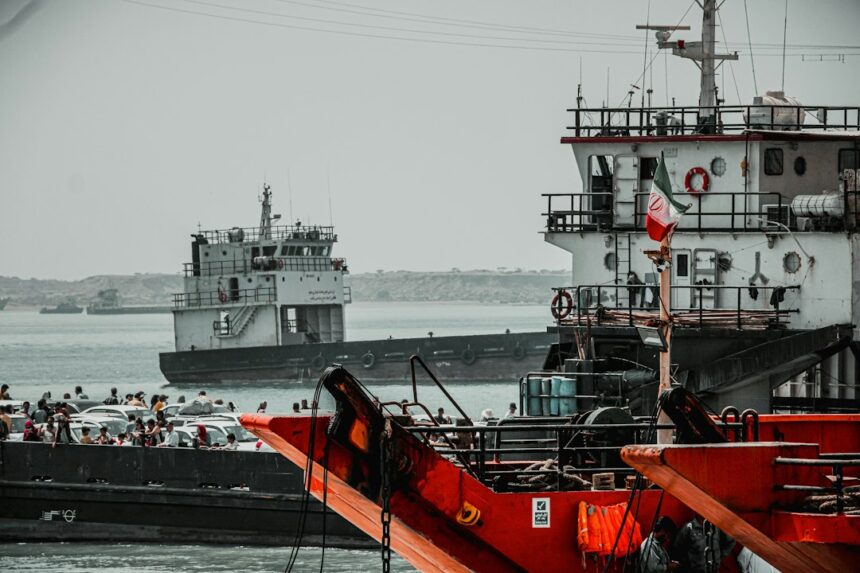
In a significant escalation of maritime threats, a Singapore-flagged container ship, the GFS Pride, has sunk in the Strait of Hormuz after sustaining damaging fire from a projectile. This incident comes after the recent sinking of the Antigua and Barbuda-flagged bulk carrier, Cape Dao, marking a troubling trend in attacks on commercial shipping in the region.
The Incident
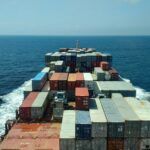
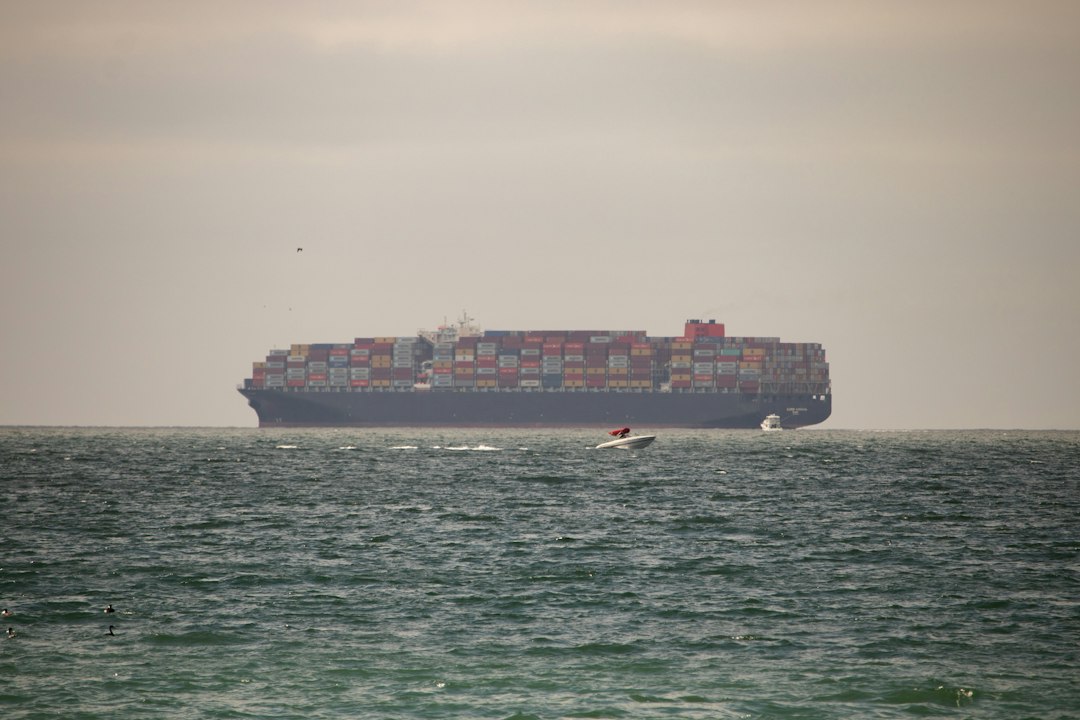
The GFS Pride, which had a capacity of 2,824 twenty-foot equivalent units (TEU), was reported to have sunk while navigating through the strategic waterway. According to the Maritime and Port Authority of Singapore (MPA), all 21 crew members were evacuated safely, and no injuries were reported. This incident occurred amidst a rise in hostilities as Iran has intensified its military posture in response to U.S. sanctions and perceived threats against its maritime operations.


Escalation of Threats
In a separate incident just hours prior, the Cape Dao also sank after being hit by a projectile weeks earlier, which had already caused one fatality among its crew. Data from the International Maritime Organization (IMO) highlighted that attacks on commercial vessels have increased dramatically since the onset of the U.S.-Iran conflict on February 28, further compromising navigational safety in this vital trade route, where approximately 20% of global oil and liquefied natural gas passes through.
The MPA’s statement indicated profound concern over these ongoing attacks, categorizing them as breaches of international law. MARISKS, a maritime risk management firm, emphasized that the threat to shipping is broadening, affecting not only tankers but also a range of other commercial vessels.
Market Impact
The recent uptick in attacks is likely to prompt shipping companies to reassess their risk exposure in these contested waters, potentially leading to higher insurance premiums and shifts in operational routes. This comes amid ongoing geopolitical tensions and strategic considerations, as Iran aims to boost its leverage by restricting transit through the Strait of Hormuz.
Persistent threats to vessels have been evident, with attacks previously reported against ships such as the container vessel Safeen Prestige and the seizure of MSC Francesca by Iranian Revolutionary Guards earlier this year. The current environment necessitates a closer examination of security protocols and emergency response strategies for all vessels transiting the area.
The Operational Read
The recent sinking of the GFS Pride underscores the heightened operational risks faced by vessels in the Strait of Hormuz, an area already fraught with geopolitical tumult. Operators must anticipate the possibility of increased operational disruptions and higher costs due to rising risk profiles. Vigilance and prompt communication protocols will be essential for crews and charterers when navigating this critical chokepoint. Future watchfulness will be crucial as Iran continues to adapt its maritime tactics, necessitating proactive measures by shipping lines to secure safe transit routes.