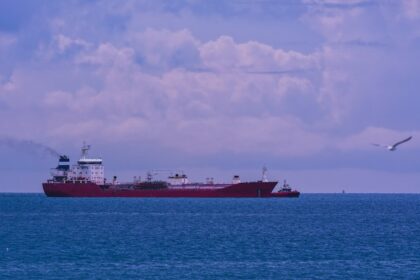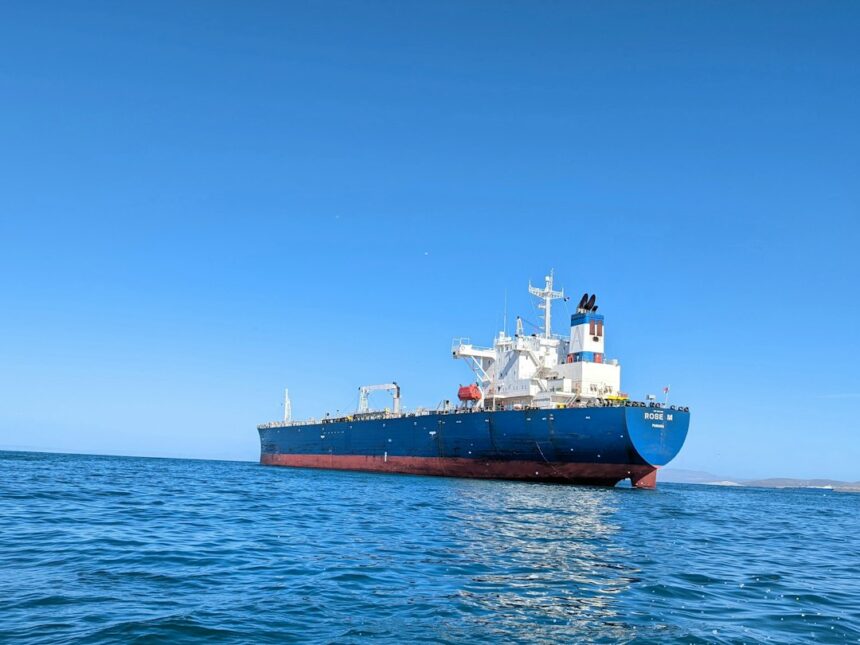
The United Kingdom and Japan have recently intensified their sanctions against Russia’s leading shipping company, Sovcomflot. This strategic move includes targeting individual vessels, such as the newly listed LNG carrier PYOTR STOLYPIN (IMO 9904675), which was added to the UK sanctions list even before it commenced cargo operations.
Targeting the Fleet
The latest package of sanctions from the UK, announced on 1 October, included 31 new entries, eight of which are vessels associated with the transportation of Russian liquefied natural gas (LNG). This also featured the LNG carrier KONSTANTIN POSIET (IMO 9904704), highlighting a significant procedural shift where a vessel can be sanctioned based on its intended operational role in Russian projects, rather than its trading history alone.
In parallel, Japan enacted its own sanctions package that targets specific vessels alongside broader asset freezes on Russian entities. This harmonization of sanctions efforts between Tokyo and London underscores the growing international consensus to disrupt Russian energy shipments.

Market Dynamics and Enforcement Changes
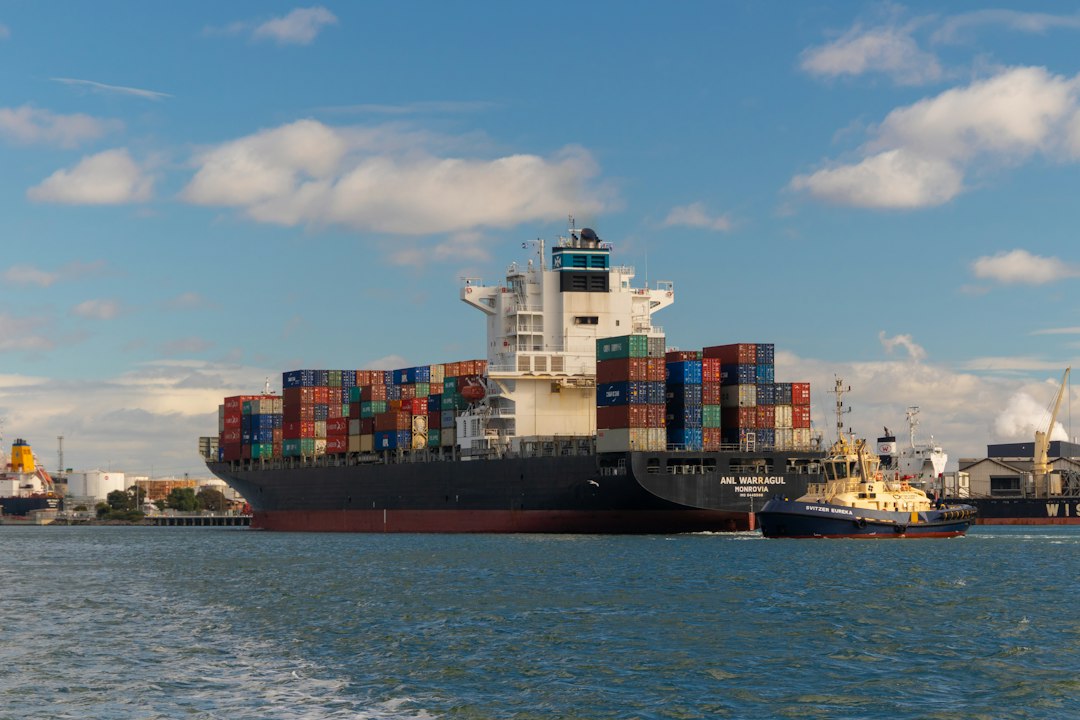
The enforcement strategy has transitioned from a company-wide focus to targeting individual vessels. Sovcomflot, already subjected to UK sanctions since 2022, now sees its fleet members designated one by one. This nuanced approach complicates attempts by shipping companies to manage trades, as it becomes increasingly difficult to disentangle vessels registered under various owners from the sanctioned group.
As part of a larger trend, these actions aim to preemptively capture the new Class 1A Arc7 carriers of which three—the ALEKSEY KOSYGIN (IMO 9904546), KONSTANTIN POSIET (IMO 9904704), and PYOTR STOLYPIN—were among those sanctioned before they could undertake their first winter operations.
Export Trends from Arctic LNG 2
Since July 2026, Arctic LNG 2 has successfully exported a total of 0.95 million tonnes of LNG, marking a notable increase from previous year figures. All cargoes have been destined for China, with ten deliveries specifically to Beihai LNG through PipeChina. The shift in cargo destination reflects the strategic direction of Russian LNG exports amidst sanctions.
The two designated vessels, ALEKSEY KOSYGIN and AVACHA (IMO 9319404), were also noted for their activities within domestic waters, having previously moved cargoes from Arctic LNG 2 to floating storage without counting as international exports. The designation of these vessels illustrates the tightening grip of sanctions as operators across the sector reassess operational risks associated with Russian shipments.
Behind the Headline
The evolving sanctions landscape poses significant challenges for maritime operators engaged with Russian energy supplies. Targeting vessels before they enter operational service indicates a new phase in enforcement, where the anticipated roles of ships in LNG projects dictate regulatory scrutiny. As companies maneuver through these stringent measures, operational flexibility will be essential, with a focus on compliance and risk management vital prior to the anticipated 2027 LNG restrictions by the UK and EU. Shipping entities are advised to closely monitor these developments to adapt their strategies accordingly.