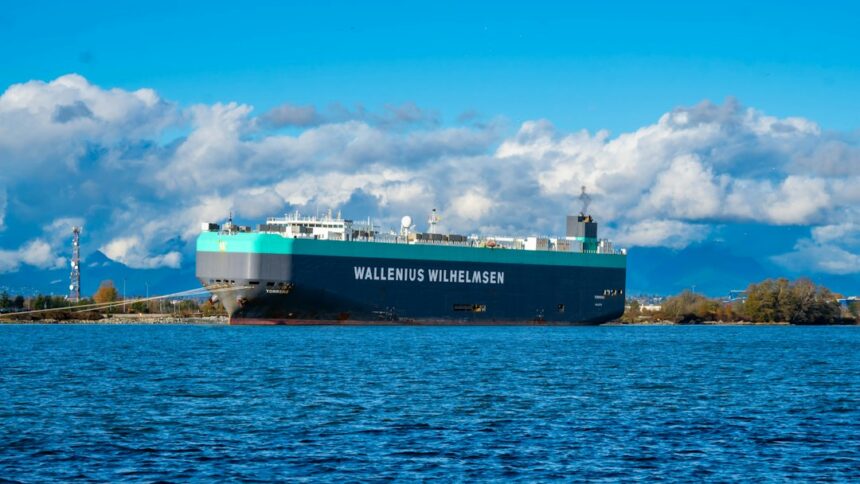
MSC-controlled Global Car Carriers has significantly expanded its newbuilding programme by ordering eight large LNG dual-fuel car carriers in China. This latest contract boosts the company’s orderbook to a total of 20 ships, with an estimated value surpassing $2 billion.
The New Orders
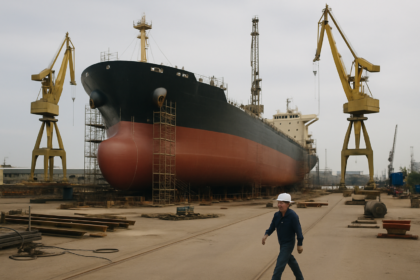
The new vessels, each capable of transporting 8,600 car equivalent units (CEU), have been contracted at three prominent Chinese shipyards, including four at China Merchants’ Weihai yard, two at Guangzhou Shipyard International, and an additional two at Fujian Mawei Shipbuilding. This strategic approach not only strengthens the fleet but also enhances operational flexibility.
Sustainability Focus
As the maritime industry seeks to lower emissions, the adoption of LNG as a dual-fuel option positions Global Car Carriers at the forefront of the green shipping initiative. By investing in these modern vessels, MSC aligns its operations with the increasing regulatory demands for decarbonisation and market preferences favoring environmentally friendly solutions. The dual-fuel capability ensures compliance with stringent emissions regulations while providing operational efficiencies.

Industry Impact
This expansion is a reflection of the growing demand for cleaner shipping solutions in the automotive transportation sector. As more carriers shift towards LNG, the competitive landscape is expected to evolve, encouraging further investments in sustainable technologies and ship designs.
Behind the Headline
The recent orders placed by Global Car Carriers illustrate the operational strategy of major shipping lines to enhance fleet capability while adhering to environmental standards. With LNG fueling becoming increasingly prevalent, operators must prepare for the logistical implications of bunkering infrastructure and crew training. The strategic commitment to dual-fuel vessels will not only serve to meet imminent regulatory pressures but also position MSC as a leader in sustainable maritime transportation. The industry should watch for further developments in LNG adoption and its effects on market dynamics.