Lessons from 36+ Years at Sea: Leadership, Safety and Experience
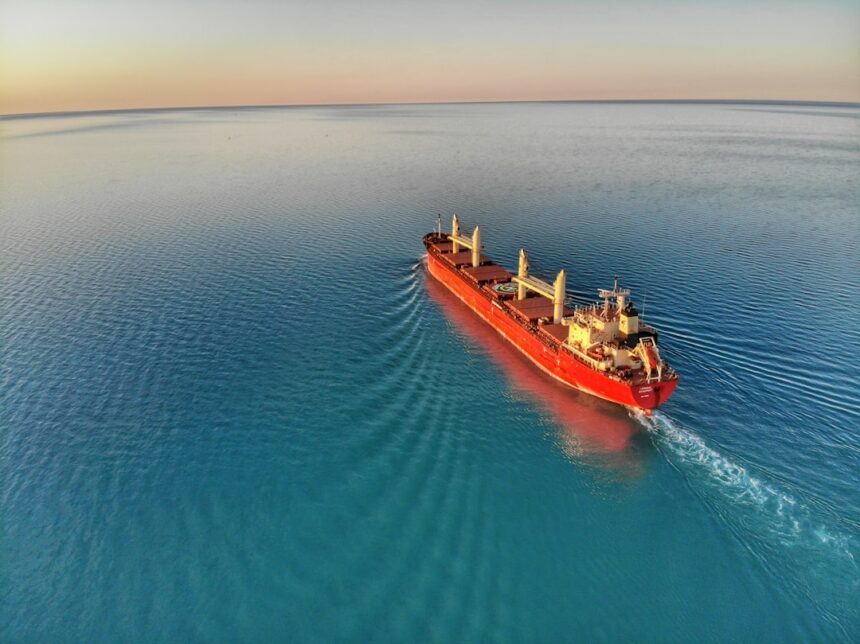
After more than 36 years in the maritime industry, including over 26 years in command as a Master, I have learned that a successful career at sea is built on much more than technical knowledge and professional certificates.
The sea teaches lessons that cannot always be found in textbooks. Every voyage, every vessel, every crew and every challenging situation adds another layer of experience. Over the years, I have worked with multinational crews, operated different types of vessels, and worked in demanding offshore and maritime environments. These experiences have shaped the way I understand leadership, safety, responsibility and teamwork.
Leadership Begins with Responsibility
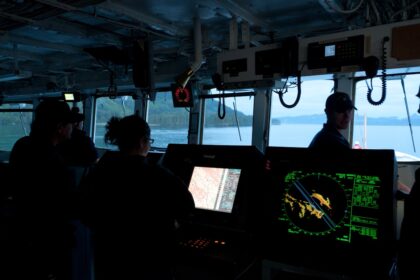
For a Master, leadership is not simply about giving orders. It is about accepting responsibility for the vessel, the crew, the environment and the decisions made on board.
A good leader must remain calm when circumstances become difficult. The crew looks to the Master not only for instructions, but also for confidence and direction. In challenging situations, hesitation can create uncertainty, while clear communication and decisive action can make a significant difference.

At the same time, effective leadership requires listening. Every member of a crew has knowledge and experience that can contribute to safe operations. Encouraging officers and crew to speak openly about risks and concerns creates a stronger safety culture.
Safety Must Come First
Throughout my career, one principle has remained constant: production and operational objectives must never come before safety.
Offshore operations, port manoeuvres, anchor handling, vessel movements and other maritime activities can involve significant risks. Proper planning, risk assessment, communication and adherence to procedures are therefore essential.
However, safety is not only about procedures written in manuals. It is also about the attitude of every person on board.
A safety culture develops when people understand that reporting a hazard is not a weakness, stopping an unsafe operation is not a failure, and asking questions is not a lack of experience.
Experience and Decision-Making
Experience is one of the most valuable assets a seafarer can develop, but experience alone is not enough.
A Master may face situations where there is no perfect solution. Weather conditions can change, equipment can fail, operational priorities can conflict, or unexpected circumstances can develop quickly.
In such moments, experience helps a Master recognise the risks, evaluate the available options and make a balanced decision.
One of the most important lessons I have learned is that good decisions should be based on preparation rather than panic. The more thoroughly a vessel and crew are prepared for possible scenarios, the better they can respond when something unexpected happens.
Teamwork Across Cultures
International maritime operations bring together people from different countries, cultures and professional backgrounds.
During my career, I have worked with multinational crews and international companies. This has taught me that respect and clear communication are essential to successful teamwork.
A vessel may have excellent equipment and procedures, but its operations depend on people working together effectively. Mutual respect between the Master, officers, engineers and ratings creates an environment where everyone understands their responsibilities and feels able to contribute.
Continuous Learning
The maritime industry continues to change. Regulations, technology, vessel systems, safety requirements and operational practices are constantly developing.
For this reason, a seafarer’s education should never stop when formal training is completed.
Continuous learning, maintaining professional certificates, staying familiar with new technology and learning from colleagues and previous experiences are all part of remaining professionally prepared.
Even after many years at sea, there is always something new to learn.
Advice to the Next Generation
For young seafarers beginning their careers, my advice is simple: take every stage of your career seriously.
Learn from experienced officers. Respect your crew. Follow procedures, but also understand why those procedures exist. Never be afraid to ask questions when something is unclear.
Build your reputation through professionalism, reliability, honesty and safety-conscious behaviour.
Certificates can open a door, but competence, attitude and experience determine what happens after that door is opened.
Looking Back — and Looking Forward
After more than three decades in the maritime profession, I remain grateful for the opportunities, challenges and people who have shaped my career.
The most valuable lessons I have gained were not learned from one particular vessel or one particular voyage. They were built gradually through thousands of decisions, successes, difficulties, teamwork and responsibility.
The maritime profession continues to evolve, but some principles remain timeless: leadership, safety, responsibility, teamwork and continuous learning.
These are the values that I believe can help seafarers build not only successful careers, but also safer and more professional maritime operations.