In a significant geopolitical stance, Bahrain has initiated a coalition of 80 countries calling for the full and immediate reopening of the Strait of Hormuz, demanding safe passage for commercial shipping without tolls, conditions, or charges. The request was presented through a joint statement delivered at the United Nations, emphasizing the urgency to address ongoing threats to maritime security in this critical transit route.
The coalition’s statement also condemned Iranian actions impacting shipping operations and highlighted renewed Houthi aggression in the Red Sea and Bab al-Mandab. The chair of the coalition reaffirmed the imperative of uninterrupted navigation through these chokepoints, which are vital for global energy supplies and trade.
International Maritime Implications
The coalition’s statement aligns with UN Security Council Resolution 2817, which was adopted in March and condemned threats against maritime navigation posed by Iranian strikes affecting several Gulf nations. This resolution received broad support, yet abstentions from China and Russia reflect the geopolitical complexities surrounding the region.

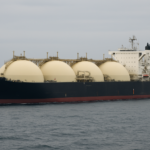
However, commercial shipping in and around the Strait of Hormuz has encountered extensive operational constraints amidst escalating hostilities. The statement’s language underscored the need to protect commercial shipping and the crews operating under hazardous conditions, acknowledging their critical role in sustaining maritime trade.
Rising Security Threats
The International Maritime Organization (IMO) has reported at least 84 incidents involving merchant shipping in the Strait of Hormuz and the surrounding Middle East since the onset of conflict in February, with a tragic toll of 23 seafarers lives lost. Notably, recent weeks have seen an increase in incidents, with UKMTO documenting multiple attacks and security alerts in mid-September, culminating in the September 23 attack on the Cape Dao, which resulted in fatalities.
As the situation continues to develop, the economic ramifications of such disruptions cannot be overlooked. UN Secretary-General António Guterres previously warned that intertwined disruptions in Hormuz, Bab al-Mandab, and the Black Sea are severely constraining global trade routes and subsequently driving up the costs of essential goods, including energy and food supplies.
The Operational Read
The call for the reopening of the Strait of Hormuz without tolls directly addresses the operational challenges faced by shipping companies in navigating this key maritime corridor. The complexities introduced by political tensions and security threats necessitate vigilant risk assessments for operators and charterers. Increased hostilities and rising insurance rates, coupled with potential rerouting options, may further complicate operations in this area. Stakeholders must closely monitor developments and coordinate with regional maritime safety initiatives to ensure the safe passage for vessels and crews navigating these critical waters.