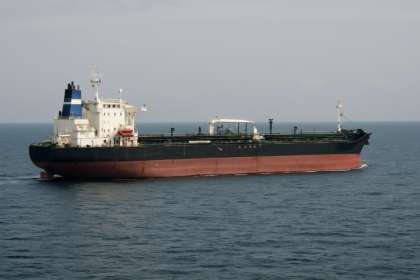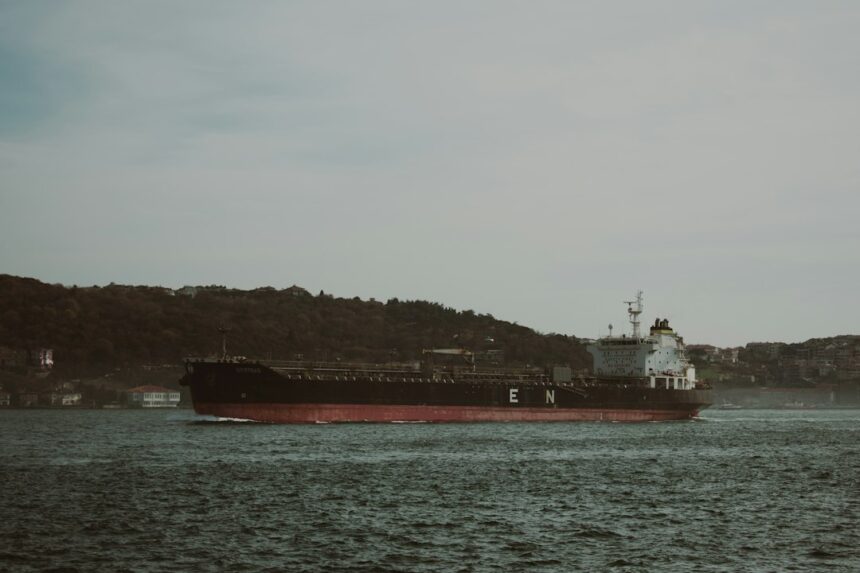
A significant surge in earnings for tankers, particularly Very Large Crude Carriers (VLCCs), is attracting a wave of investment into the shipping sector, as geopolitical instability in Iran continues to heighten supply constraints. Daily earnings for VLCCs have surged nearly twenty-fold this year, with one-year charter rates nearing $150,000 per day, according to market analysis by Veson Nautical.
Geopolitical Context
The conflict in the Middle East is a principal driver of these developments, signaling to investors that geopolitical crises can substantially impact maritime supply chains. Smaller tankers and various vessel types are also benefiting from higher freight rates as the implications of the unrest permeate the shipping market. This dynamic has drawn significant attention from financial investors, notably through the Breakwave Tanker Shipping ETF, which has experienced an extraordinary 3,700% increase in value this year.
During a recent shipping finance forum in Singapore, industry stakeholders—including owners, brokers, banks, and maritime legal experts—reached a consensus that the current economic landscape remains volatile, and growth opportunities in shipping might be far from peaking.

Market Dynamics and Financial Health
Current projections by Standard Chartered Plc indicate that the global shipping fleet is set to generate over $300 billion in profit this year, a notable increase from approximately $200 billion in 2025. The influx of capital from family offices and private equity into the sector highlights the attractiveness of maritime operations amidst the prevailing economic uncertainties.
Moreover, indications from the Singapore conference suggest the potential for even higher resale prices for ships. Notably, a nearly-new supertanker recently commanded a record $200 million, underscoring the urgency for shipowners who prioritize immediate availability over new vessels. The increased activity in shipyards—38% of VLCCs currently under construction—also reflects a proactive approach to the current market environment.
Future Considerations
While there is optimism in the sector, concerns loom regarding potential overcapacity as newer ships flood into the market, which could lead to a decline in freight rates in the coming years. Industry experts caution that the comparative stability of freight markets may be threatened amid a retaliatory rush to build new vessels in response to soaring demand.
Behind the Headline
The remarkable growth in tanker earnings highlights the intricate relationship between global geopolitical dynamics and shipping market performance. For operators and shipowners, the immediate challenge lies in balancing increased demand with the caution of potential oversupply in the future. The continuing volatility in regions such as the Middle East poses risks while simultaneously bolstering freight rates, creating a dual-edged sword for stakeholders in the maritime shipping industry. Future observations will center on how these trends unfold and whether current investments and expansions align with sustainable growth or pave the way for future market corrections.