A recent five-year review of crew welfare standards reveals a troubling statistic: more than four in ten seafarers do not feel safe reporting serious safety concerns while at sea. This finding is highlighted in the report titled “Five Years into the Code of Conduct: What’s Changed for Seafarers?” which tracks progress in addressing crew welfare.
The Findings
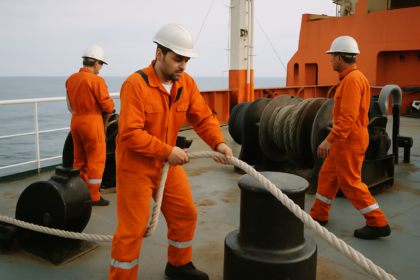
The report indicates a significant disconnect between safety protocols and the realities faced by seafarers. Many crew members express uncertainty about the potential repercussions of raising safety issues, which may deter them from identifying problems. This mindset points to fundamental gaps in safety culture aboard ships, where open communication should be encouraged.

Implications for the Industry
This reluctance among seafarers to report safety concerns directly affects not only individual well-being but also the overall safety and operational effectiveness of maritime operations. Potential safety hazards could go unreported, leading to dangerous situations onboard. Improved welfare initiatives and a culture of transparency are essential in addressing these issues, with industry stakeholders encouraged to foster environments where seafarers can voice their concerns without fear.

Why It Matters
The operational reality of the maritime industry hinges on the safety and morale of its crew members. When over 40% of seafarers feel unable to report serious issues, the risks extend beyond individual vessels to the maritime sector as a whole. Ensuring a culture that promotes open dialogue is crucial for enhancing safety and operational performance. Stakeholders must prioritize fostering an environment that empowers seafarers to voice concerns, thereby driving change in safety protocols and contributing to a more robust safety framework in the industry.