The ongoing conflict in the Strait of Hormuz has resulted in significant environmental damage, as highlighted by recent findings from Greenpeace. Satellite imagery has revealed extensive oil slicks in the region, leading to an ecological crisis compounded by military hostilities.
The Current Situation
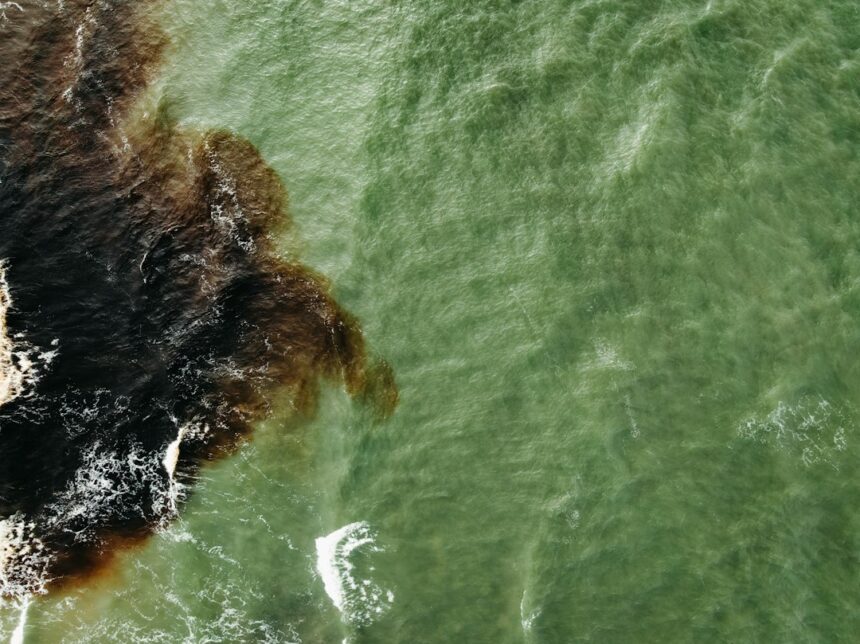
Experts have identified more than 100 oil spills since the commencement of the war, with satellite surveillance showing visible signs of leaking oil in the water. Major oil slicks have been reported, with a recent analysis noting five slicks across a total area of 240 square kilometers, an expanse roughly four times the size of Manhattan. While weather conditions have resulted in a reduction of visible slicks to approximately 80 square kilometers, environmentalists caution that the long-term ramifications remain severe.
Ecosystem Threats
The oil spills pose dire threats to crucial marine ecosystems. One slick is particularly concerning as it approaches Musandam National Park, a protected area known for its rich biodiversity, including vital coral reefs and breeding grounds for birds. Another slick near Iran’s Minab River Delta threatens sensitive mangrove forests. Nina Noelle, a Greenpeace specialist, emphasized that the damage from oil spills can persist for decades, impacting marine life and habitats. The impact on breeding waters and coral reefs raises alarms for local ecosystems. Monitoring efforts are hindered by GPS spoofing, which causes vessels to broadcast inaccurate locations, complicating response measures and assessments.

Regulatory and International Implications
The region’s instability has also complicated the availability of high-resolution satellite data, necessary for accurate monitoring. Organizations and governments are relying on sources such as the EU’s Copernicus program, though access is restricted for security reasons related to military application. There is growing concern among marine operators about the ongoing challenges of ensuring vessel safety and protecting the environment amid these threats.
The Operational Read
The situation in the Strait of Hormuz underscores the critical intersection of maritime safety and environmental stewardship. Shipping operators face increased risks of incidents leading to spills, necessitating a reevaluation of contingency measures and risk assessments. As the ecological impact becomes clearer, companies may experience rising liabilities related to environmental damage. Charterers will need to account for potential delays due to the heightened security risks and operational disruptions. Maritime stakeholders must remain vigilant and proactive in their response strategies, preparing for the challenges posed by both the ongoing conflict and its environmental consequences.