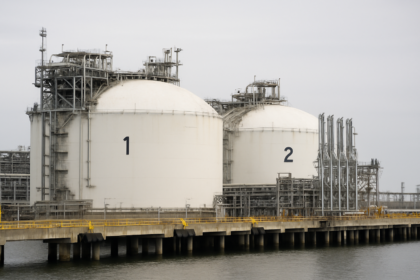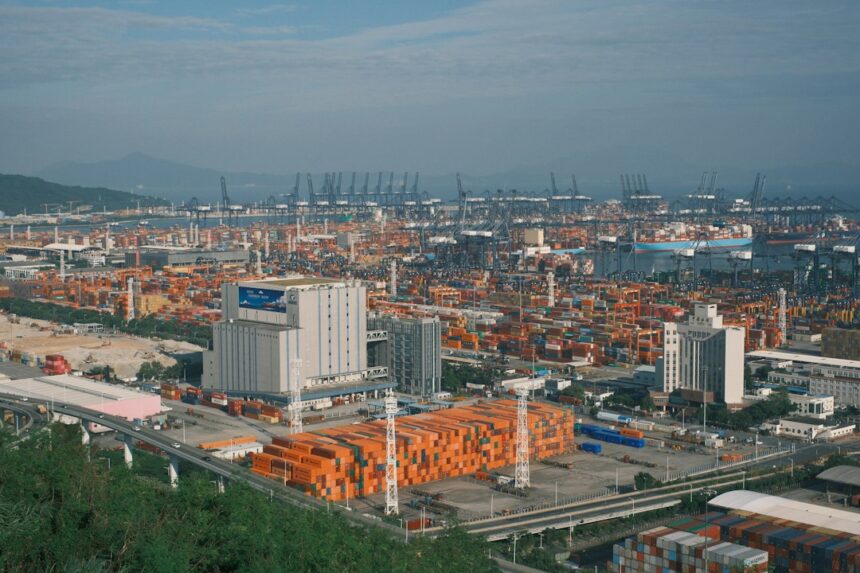
The United States and China are reportedly in discussions to reduce or eliminate the 15% tariff imposed on American liquefied natural gas (LNG) as part of broader energy and agricultural agreement frameworks. This dialogue is particularly significant ahead of Chinese President Xi Jinping’s visit to Washington on September 24. Sources familiar with the situation indicate that the negotiations aim to stabilize trade ties that have been strained due to tariff disputes since early 2025.
Impact of Tariffs on Trade
The imposition of tariffs effectively halted US LNG exports to China, dropping shipments from 64 vessels in 2024 to virtually zero the following year. This regression reflects the rapid growth of US LNG trade with China, which saw a peak in 2021 when 131 vessels made deliveries, following the initiation of large-scale exports from the Lower 48 states in 2016. The cessation of trade has been detrimental, particularly as US producers face a surge in export capacity anticipated to reach an additional 10 billion cubic feet per day by 2027.
Geopolitical Context
Recent geopolitical upheavals, including the conflict in Ukraine, have altered the landscape of global LNG flows. Following disruptions in Europe’s access to Russian gas, US LNG that might have previously been directed to Asia has increasingly been redirected to European markets. Meanwhile, ongoing tensions in the Middle East are creating additional complexities and competition for LNG cargoes in Asia. The potential return of Chinese buyers could significantly impact demand for US LNG, particularly for the 24.5 million metric tons of capacity currently under construction that have not yet secured long-term contracts.


The Operational Read
For LNG operators, the renewed discussions over tariff reductions signify a pivotal moment in the US-China energy relationship. Should the tariffs be eliminated, American suppliers could unlock a vital market, providing a much-needed avenue for their expanding production capacities. Operators are advised to closely monitor these negotiations, as successful tariff reductions could lead to increased cargo commitments from Chinese importers. Moreover, with ongoing instability in global energy markets, strategic adjustments may be required to optimize routes and contracts in anticipation of fluctuating demand dynamics. The revival of US-China LNG trade would not only help in securing contracts but also stabilize market prices amidst increasing global competition.