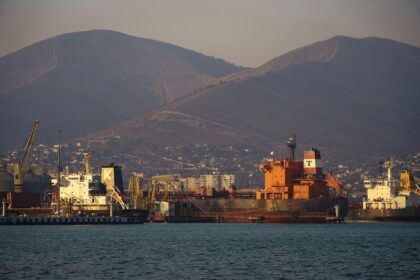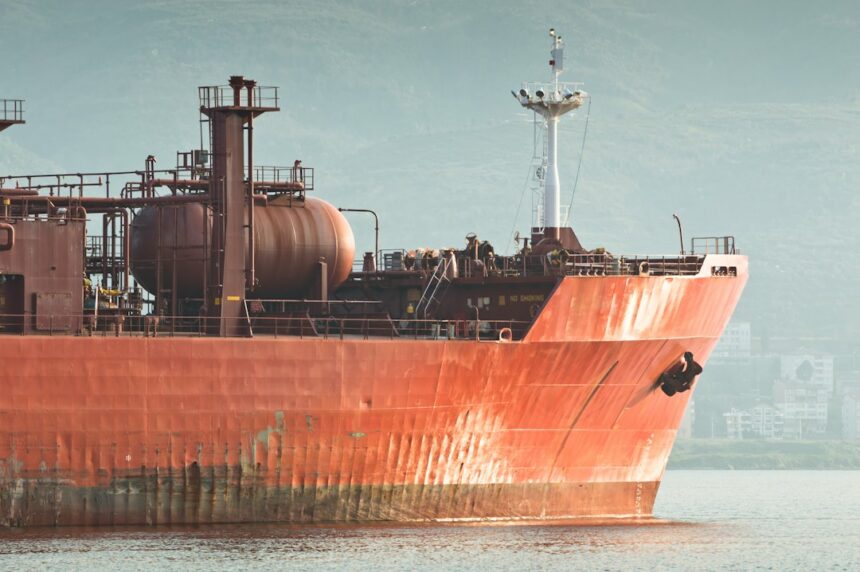
A recent Bloomberg Government analysis has uncovered that foreign-flagged tankers transported petroleum products worth over $40 million between U.S. ports without the necessary reporting to the U.S. Maritime Administration (MARAD). This finding raises significant concerns regarding compliance with the Jones Act, particularly during a time when the regulatory framework is becoming increasingly scrutinized.
The Issue Uncovered
The analysis indicates that at least a dozen foreign-owned vessels, primarily linked to companies in China and other nations, conducted multiple cargo movements from the Gulf Coast to various ports along the East and West coasts as well as Puerto Rico. These voyages were not included in MARAD’s public waiver reports, which serve as the primary record of foreign vessel usage in U.S. domestic trades since the emergency waiver was enacted in March.
MARAD’s regulations stipulate that both the vessel owner or operator and the waiver requester must report the completed voyage details—such as the participating vessel, operator, dates, ports involved, and the cargo—within ten days. This reporting is crucial for understanding the national defense justifications for using foreign vessels. However, MARAD lacks the legal authority to enforce compliance, which leaves gaps in the public record.


Implications for Domestic Trade
The significance of these unreported voyages cannot be overstated. David Heindel, President of the Seafarers International Union, emphasized that MARAD is the primary source for tracking maritime activities, suggesting that unreported movements create a troubling oversight. This situation challenges the credibility of MARAD’s current count of 255 completed waiver movements, a number that reflects an increase from 220 since mid-August.
The reported shipments include a range of petroleum products such as crude oil, gasoline, and renewable fuels. However, the latest findings suggest that even this expanded total might not fully capture the extent of foreign vessel activity, prompting calls for increased transparency and stricter adherence to reporting requirements.
Changes to Reporting Requirements
In light of these developments, significant modifications have been made to the waiver process. A second 90-day extension took effect on August 17, which mandates companies to submit a Vessel Availability Request before deploying foreign vessels. This new protocol is designed to better assess domestic market conditions and ensure compliance with national defense requirements via singular oversight by the Department of War.
Beyond the procedural changes, reporting of movements under this extended waiver has been limited, as indicated by MARAD’s most recent report update, which cited only three completed movements involving propane and crude oil. The implications of these reporting deficiencies highlight the potential vulnerabilities within the U.S. domestic shipping landscape.
Behind the Headline
The findings from this analysis illustrate the operational challenges faced in the maritime industry, particularly concerning adherence to regulatory frameworks like the Jones Act. With foreign vessels increasingly involved in U.S. domestic trade, the systemic compliance issues threaten to undermine the integrity of maritime commerce and national defense logistics. Stakeholders, including operators and regulatory bodies, must closely monitor developments to ensure that future reporting meets legal requirements and secures the strategic interests of the United States.