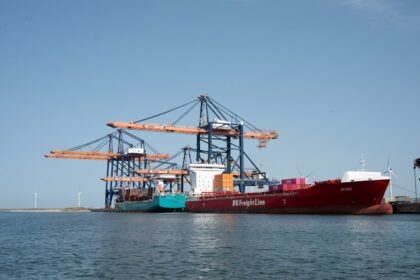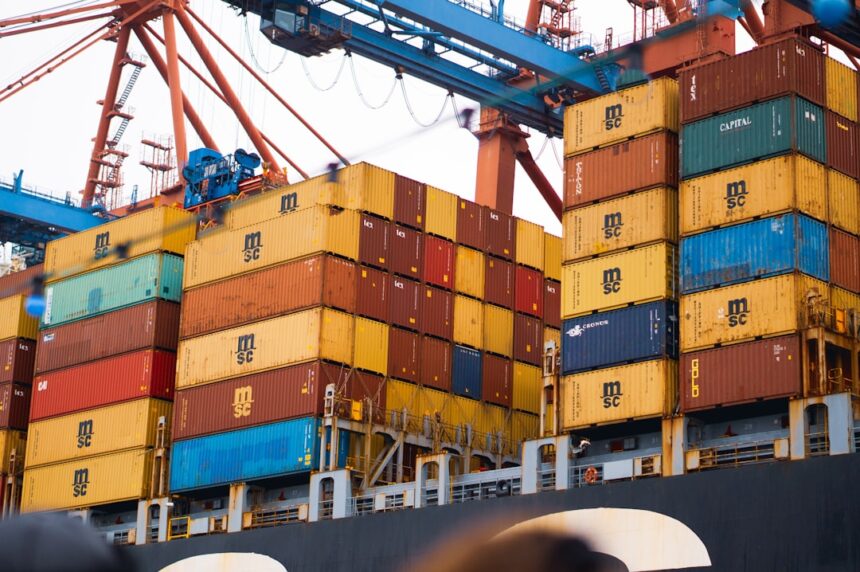
Maersk and Hapag-Lloyd have announced an expansion of their services through the Suez Canal, realigning four additional routes within the Gemini Cooperation framework as security concerns rise in the Red Sea. The carriers stated on Sunday that their AE5, AE11, AE12, and ME2 services will now include transits through the Suez Canal in both directions, marking a significant shift from previous diversions around the Cape of Good Hope.
Details of the Service Return
The decision to resume operations through the Suez is one of the most definitive moves by the Gemini partners as they work to restore their maritime network in the region. The AE5 route connects Asia with Northern Europe, while AE11 and AE12 link Asia to the Mediterranean markets, and the ME2 connects India to Europe. All four services are slated to commence their first westbound sailings later this month, with Antonia Maersk departing from Tanjung Pelepas on September 19. Subsequent sailings will feature Marchen Maersk on AE5 starting September 21 and Cornelia Maersk on ME2 from September 24. Maersk will announce the date for the first AE12 sailing shortly.
Security Environment
This strategic move comes amid increased tension in the Red Sea as Houthi forces, backed by Iran, have expanded their presence along Yemen’s coastline and around the crucial Bab el-Mandeb Strait. This development threatens a vital maritime route, especially as Iran continues to exert control over shipping through the Strait of Hormuz on the Arabian Peninsula’s opposite side. The Houthis’ positioning has raised concerns regarding Saudi oil exports that are becoming increasingly reliant on Red Sea routes following disruptions in traffic through Hormuz.

Since late 2023, ongoing Houthi attacks have compelled most major container carriers to reroute their vessels around the Cape of Good Hope, significantly lengthening voyages between Asia and Europe and resulting in a notable decline in traffic through the Suez Canal. Given these risks, Maersk and Hapag-Lloyd have emphasized that their recent return to the Suez Canal is conditional. They will maintain vigilant monitoring of the security landscape, noting that any future adjustments to the Gemini network will be dependent on sustained stability and the absence of escalating tensions in the region. “The safety of the crew, the vessels, and our customers’ cargo remains the highest priority,” the company stated.
Behind the Headline
The reinstatement of Suez Canal services by Maersk and Hapag-Lloyd illustrates the delicate balance operators must maintain between operational efficiency and safety amid geopolitical tensions. While these routes offer faster transit times, the persistent threat from Houthi forces complicates decision-making for carriers. Continued escalation could prompt a swift reversion to Cape diversions, which significantly increase shipping costs and affect global supply chains. Shipping stakeholders should closely monitor regional developments, as the implications of altered routes will impact freight rates, operational planning, and cargo delivery timelines on a broader scale.