Kuwait Petroleum Corp. (KPC) is strategizing to bolster its shipping capacity in light of extended trade-flow disruptions attributed to the ongoing conflict between the United States and Iran. During a presentation at the Asia Pacific Petroleum Conference (APPEC) 2026 in Singapore, KPC’s managing director of international marketing, Shaikh Khaled Al-Sabah, outlined the contingency plans the company is implementing to ensure adherence to supply commitments in the neighboring region and Northwest Europe.
Impact of Geopolitical Tensions
The Strait of Hormuz remains a critical maritime route for Kuwait’s crude and refined oil shipments. Recent Iranian attacks on vessels transiting this chokepoint have led to a marked decline in traffic, with Kuwait’s crude exports plummeting to 375,000 barrels per day (b/d) in August, a steep reduction from 1.2 million b/d recorded in February before the onset of the conflict. According to data from S&P Global Commodities at Sea, the disruptions have not only impacted crude oil exports but have also affected KPC’s refined products, which fell to 174,000 b/d in August compared to 847,000 b/d earlier in the year.
Strategic Fleet Expansion
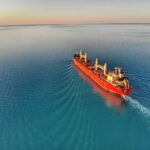
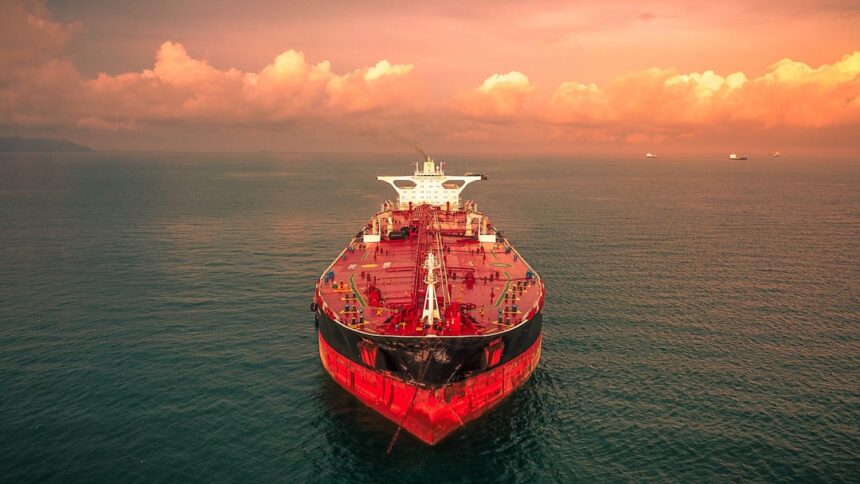
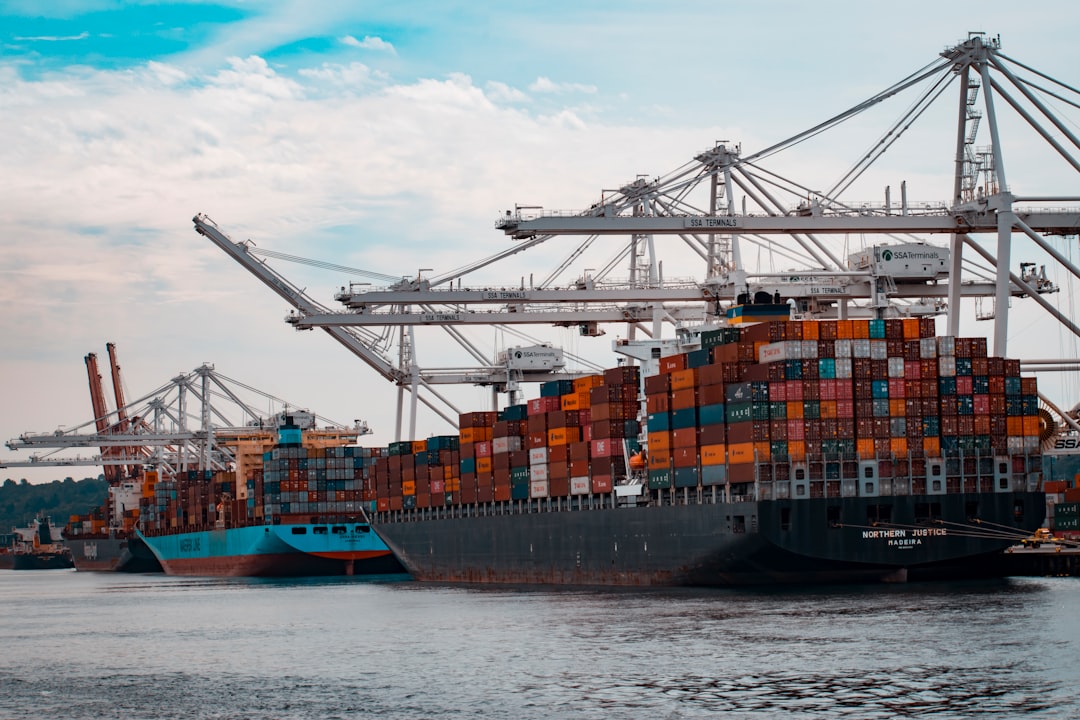
To address these challenges, KPC is pursuing a strategy to acquire additional vessels to reduce reliance on third-party shipping resources and enhance scheduling control amid volatile trade flows. Sabah emphasized that ‘controlling your own fleet’ provides a competitive edge when navigating through market disruptions. This strategic shift involves maintaining a flexible operational model capable of adapting quickly to changing market conditions.

Moreover, KPC is evaluating alternative pipeline routes connecting east to west through neighboring countries, facilitating export capabilities when traditional routes face heightened risk. This reflects a commitment to buffer production against shipping delays, which can hinder global refinery operations and exacerbate supply shortages as demand peaks.
Implications for Market Operations
KPC has acknowledged that the disruption of shipping channels could result in significant backlogs, leaving oil and refined products stranded despite the availability of production. The company’s recent adaptation from crisis management to a long-term operational strategy includes expanding storage capacities to better manage inventory and maintain sales even during periods of instability.
As the situation progresses, KPC’s initiatives aim to enhance operational resilience and safeguard its critical role as a major refined products supplier to Europe. The focus on logistics control, alongside fleet and infrastructure investments, underlines the importance of maintaining a robust supply chain during prolonged disruptions.
Behind the Headline
KPC’s fleet expansion is a strategic response to a rapidly evolving geopolitical landscape, emphasizing the need for greater logistical control and supply resilience. The operational realities in the maritime sector require that companies navigate not only physical disruptions but also the implications these have on pricing and availability across global markets. As investments in infrastructure and shipping assets intensify, operators are advised to monitor developments closely, particularly with respect to alterations in trade routes and economic impacts in the region.