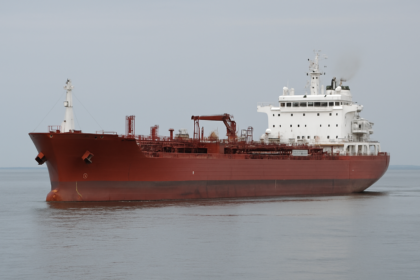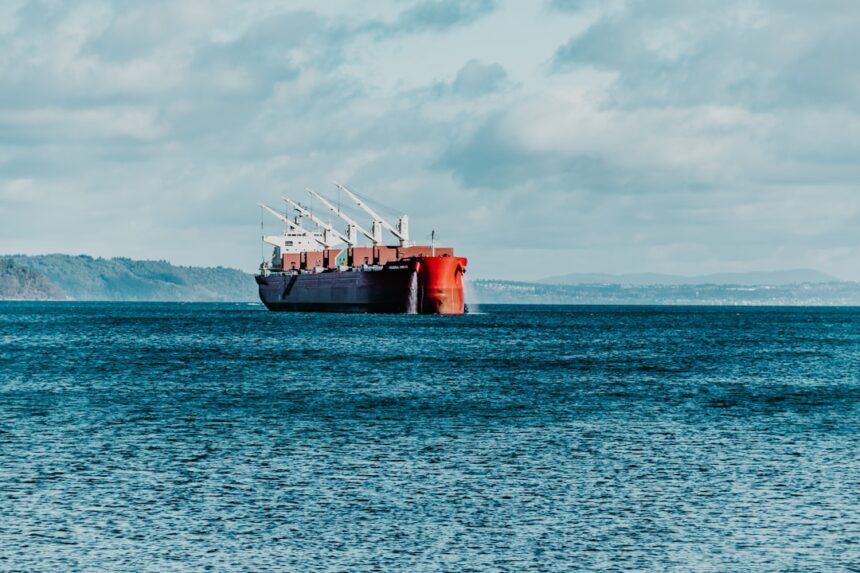
A collaborative project named the Pink Corridor has been launched to study the viability of operating a nuclear-powered containership between the United States and the United Kingdom. This initiative, involving Lloyd’s Register, A.P. Moller-Maersk, South Carolina Ports, and the Port of Felixstowe, aims to assess the necessary regulatory and operational frameworks that would facilitate such a service in the future.
The Focus of the Study
The study is not intended to lead to immediate deployment of a nuclear-powered vessel but will rather delve into critical areas including port access, vessel security, cyber resilience, emergency response protocols, and the alignment of maritime regulations with nuclear safety standards. Nick Gross, Lloyd’s Register’s Global Containerships Segment Director, emphasized the initiative’s importance in advancing nuclear technology for commercial maritime use, highlighting a need for comprehensive security and safeguards in such operations.
With the Pink Corridor, stakeholders seek to establish the groundwork for potential future operations that could redefine how goods are transported across the Atlantic. This aligns with broader governmental goals in both Washington and London, which seek to explore civil maritime nuclear applications as part of the U.S.-UK Technology Prosperity Deal.


Context and Industry Implications
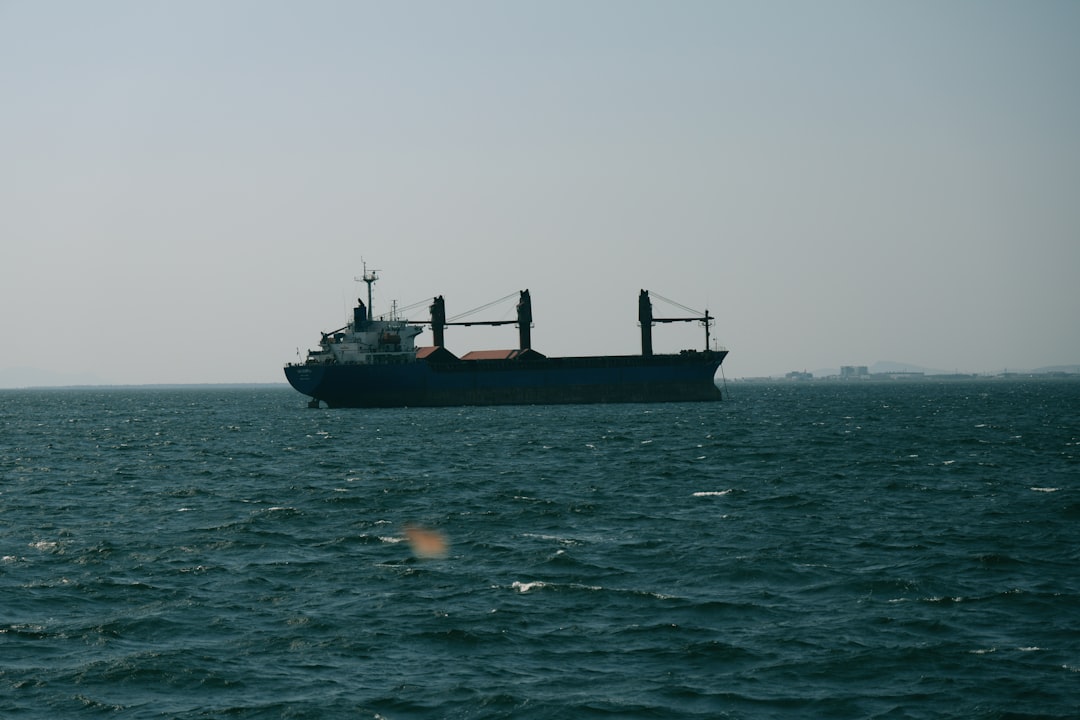
Recent interest in commercial nuclear propulsion signals a shift in perspective after decades of focus on military vessels and icebreakers. The U.S. Maritime Administration’s recent agreement with CORE POWER aims to address many of the challenges that will arise in initiatives like the Pink Corridor. These challenges include obtaining regulatory approvals, ensuring crew safety and credentialing, and managing nuclear fuel logistics.
This momentum in nuclear advancements is part of a broader ambition articulated by U.S. officials to enhance maritime capabilities through innovation, as noted by Maritime Administrator Stephen Carmel. He stated that successful nuclear propulsion ventures must be approached comprehensively, ensuring safety, security, and financial viability.
Behind the Headline
The emergence of projects like the Pink Corridor illustrates a pivotal moment in maritime logistics, wherein nuclear technology is being re-evaluated for commercial viability. If operationalized, such routes could transform existing shipping practices, offering significant advantages in efficiency and sustainability. Stakeholders will need to closely monitor regulatory developments and industry responses as they could pave the way for groundbreaking advancements in maritime transport, reducing emissions and enhancing energy efficiency across fleets.