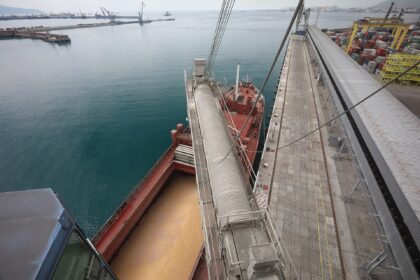
Ongoing congestion in the Danube River is significantly reducing the availability of general cargo and small dry bulk vessels in the Black Sea region. This reduction in vessel supply is expected to support high regional freight rates throughout the grain export season amidst operational challenges stemming from geopolitical tensions.
The Current Situation
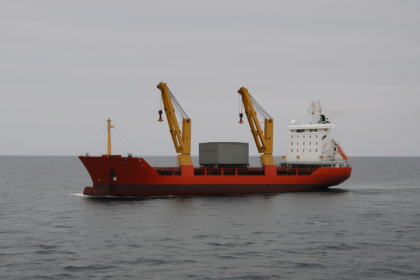
Persistent delays in the Danube have resulted in considerable traffic jams, primarily affecting smaller general cargo vessels. Russian attacks in the Odesa region have disrupted operations at Ukraine’s main deep-sea ports, forcing a reliance on lower-capacity Danube ports, notably the Port Reni and Izmail. The Sulina port area is currently congested, with around 70 vessels, including both dry bulk and general cargo ships, awaiting transit. The limited daily passage capacity has severely strained vessel availability, with only three to four vessels able to transit towards Ukraine each day.

Impact on Ukrainian Exports
Ukraine’s grain exports, which typically rely on Black Sea routes, are currently experiencing immense pressure. Official data indicates a nearly 70% year-on-year decrease in exports during August, highlighting the extensive disruption caused by the traffic congestion. Although the Danube corridor previously handled much larger volumes, current throughput remains well below past levels, which raises concerns about future export capabilities.

Market Dynamics and Shipping Costs
The current congestion not only affects immediate throughput but also impacts vessel operational efficiency. Increased waiting times result in ballast and voyage inefficiencies, leaving vessels occupied without generating revenue. Furthermore, as congestion persists, both vessel owners and charterers will need to navigate the tightening supply curve. Owners are likely to increase freight rates to account for waiting-time risks, while charterers will contend with a diminishing pool of available vessels. With a concentrated segment of sub-10,000 dwt vessels operating in the Black Sea, even small delays can lead to significant increases in operational costs, estimated at around $7,000 per day.
Behind the Headline
The operational realities posed by the ongoing congestion in the Danube underscore the vulnerabilities within the Black Sea shipping market. The combination of geopolitical tensions and logistical inefficiencies is leading to higher freight costs and longer transit times, reshaping supply chain strategies for operators and charterers alike. As Ukraine’s reliance on the Danube corridor continues, stakeholders must remain vigilant to the evolving operational challenges, with the potential for prolonged high freight rates impacting trade flows across the region.