Update 08 Sep 2026, 14:33 UTC:
Arctic LNG 2, a major liquefied natural gas initiative in Russia, is pursuing approximately $1 billion in damages from South Korean shipbuilder Hanwha Ocean. This legal action follows the cancellation of tanker construction contracts essential for the project, which is led by Russia’s Novatek.
The Legal Claim
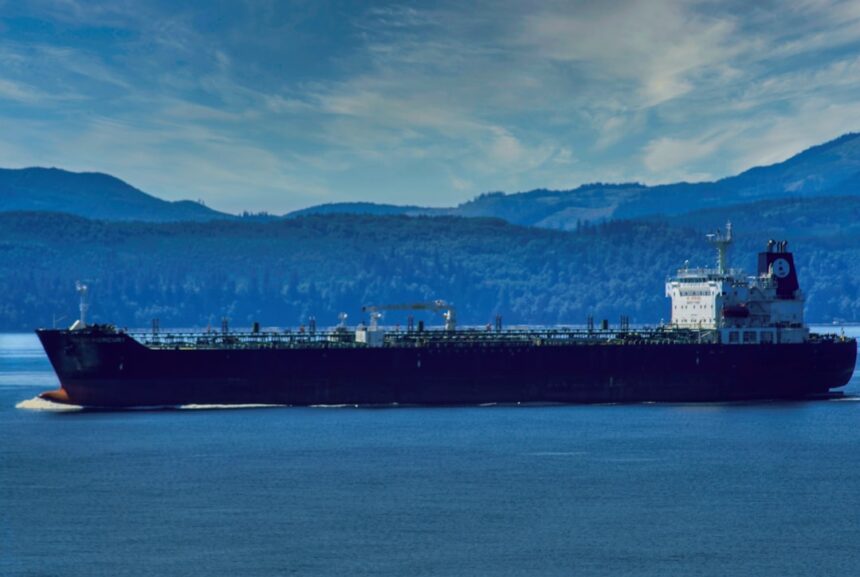
According to a disclosure from Hanwha dated September 3, Arctic LNG 2 has filed a claim with the Singapore International Arbitration Centre pertaining to a shipbuilding contract that was terminated. The claim amounts to roughly 1.37 trillion won, equivalent to $1.02 billion. Hanwha, previously known as Daewoo Shipbuilding & Marine Engineering, had initially agreed to construct six Arc7 LNG tankers for the Arctic LNG 2 project, crucial for transporting liquefied natural gas from the region.

Impact of U.S. Sanctions
The project’s expectations have been notably impacted by U.S. sanctions imposed against Russia due to its actions in Ukraine. While Novatek commenced production at Arctic LNG in December 2023, actual cargo deliveries to end-users, all located in China, did not begin until August 2024. The sanctions have been a significant factor complicating both operational and commercial aspects of the project.
Hanwha previously stated that three tankers ordered by Russia’s Sovcomflot were canceled directly as a result of these sanctions, further complicating the contractual landscape for Arctic LNG 2. The planned output of the facility stands at 19.8 million metric tons annually, marking it as one of the most ambitious LNG projects in Russia.
Future Considerations
As these developments unfold, the implications for Arctic LNG 2 could set valuable precedents concerning international arbitration and contracts affected by geopolitical tensions. The maritime industry is observing closely how such disputes may alter the shipbuilding commitments and operational strategies moving forward.
Behind the Headline
The situation surrounding Arctic LNG 2 illustrates the complex interaction between energy projects and international sanctions. For operators involved, the cancellation of contracts due to geopolitical actions creates uncertainty regarding project timelines and financial viability. Future negotiations and potential outcomes from the arbitration will be crucial for shaping operational strategies in Russia’s LNG sector and for shipbuilders engaging with projects tied to politically sensitive regions.