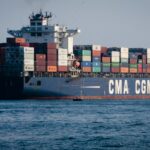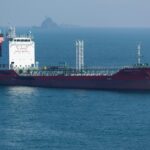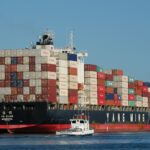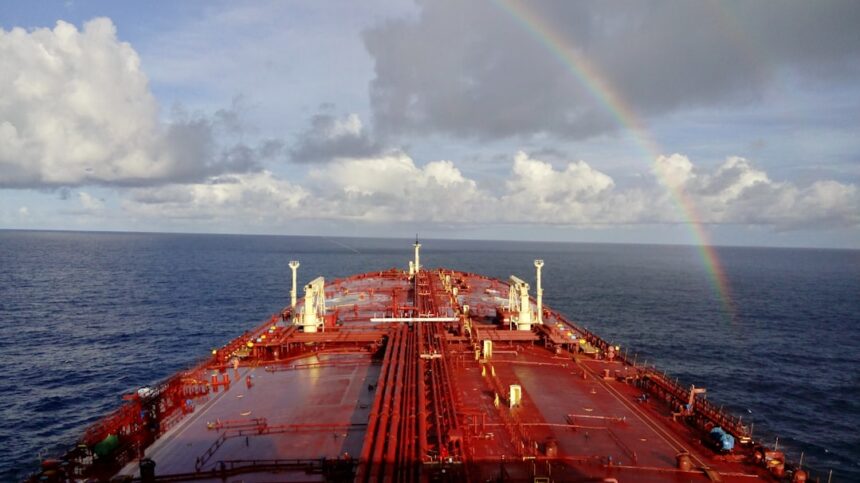
As the US-Iran conflict marks six months, the ongoing disruptions around the Strait of Hormuz have significantly impacted tanker freight rates, driving them to unprecedented levels. According to data from S&P Global Commodities at Sea, ship crossings through this critical waterway—responsible for approximately 20% of global seaborne oil and LNG flows in normal conditions—have plummeted by over 80% since the start of hostilities on February 28.
Market Overview
The combination of restricted access to the Strait and fluctuating risk levels among owners has adversely affected fleet employment efficiency. Analysts from CAS noted in a report released on August 25 that this escalating situation has necessitated the exploration of longer export routes, thereby increasing tonnage requirements for energy producers in the Persian Gulf.
Yesterday, the benchmark Middle East Gulf to Japan Long Range 2 tanker route reached an all-time high of $107.72/mt, maintaining that rate on August 28. Concurrently, Southeast Asia is grappling with an acute refined product shortfall, with August’s distillate imports running roughly 20% below levels recorded before the outbreak of conflict. As a result, buyers face intensified competition for alternative supply sources, which has extended charter durations for remaining accessible vessels in the Middle East Gulf.

Impacts on Pricing
European markets are also feeling the heat of these supply constraints. The price for ultra-low sulfur diesel cargoes in the Mediterranean rose dramatically to $1,295.75/mt on August 26, a significant increase from $762.75/mt noted on February 27, just prior to the war. This surge in prices has spurred European diesel refining margins to their highest levels in the past 15 years, driven not only by the conflict but also by Russian export restrictions and anticipated US refinery maintenance.
In the crude oil sector, the disruption of flows through the Strait has tightened regional supply and increased demand for Middle Eastern medium sour grades. Platts assessed Dubai crude at $71.23/b FOB before the war commenced. The benchmark skyrocketed to a peak of $169.75/b on March 23 during a near-complete halt in Hormuz traffic, before settling at $90.40/b by late August.
Long-term Outlook
Looking ahead, Morgan Stanley has adjusted its forecast, anticipating a more prolonged recovery in supply than previously believed. They expect the market to remain in deficit through the fourth quarter of 2026 and into the first quarter of 2027, with Brent crude prices potentially peaking at $100/b. This analysis reflects a diminishing likelihood of resolution, underscoring the drawn-out nature of interstate conflicts.
Behind the Headline
The turmoil affecting the Strait of Hormuz exemplifies the intricate dynamics of global shipping and energy markets. The escalating freight rates signify not only increased costs for operators but also reflect shifts in trading patterns as companies seek alternative routes and manage risk. With a significant reduction in available tonnage and the need for extended charters, maritime operators must navigate a complex marketplace influenced by geopolitical instability. As the conflict persists, stakeholders should be prepared for ongoing volatility and potential adjustments in operational strategies.