Update 31 Aug 2026, 10:32 UTC:
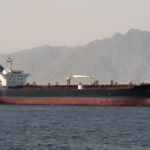
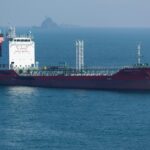
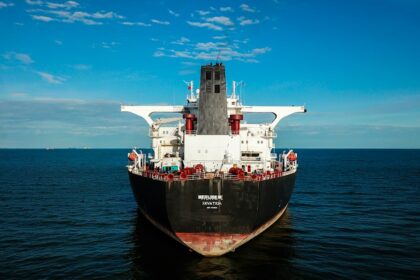
Recent military exchanges between the United States and Iran have reignited tensions in the Strait of Hormuz, a critical maritime route for oil and goods. The Iranian Revolutionary Guard announced on Monday that an unidentified tanker was struck, marking the first military conflict in the region in over a month.
The Incident
The confrontation illustrates heightened military activity where the U.S. and Iranian forces have clashed previously. The significance of the Strait of Hormuz as a key transit route for nearly a fifth of the world’s oil underscores the potential repercussions of rising hostilities. Analysts warn that the fragile situation could lead to disruptions in merchant shipping, impacting logistics and trade flows in various sectors.

Impact on Shipping Operations
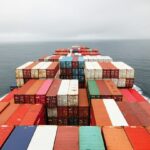
Shipping operators navigating the Strait of Hormuz face increasing risks due to renewed military tensions. With military ambitions on both sides, the likelihood of civilian vessels becoming inadvertently involved in confrontations has grown, leading to heightened caution among vessel owners. This raises concerns about insurance costs, specifically war-risk premiums, which are expected to increase significantly as operators adjust their risk assessments in light of the recent flare-ups.
Market Response
The ongoing conflict is prompting discussions among shipping companies regarding rerouting strategies and operational adjustments. Some operators may consider alternative routes to mitigate risks associated with transit through the Strait, which could lead to increased shipping times and costs. The global economy, heavily reliant on these transit corridors, could face broader implications if the current trend of military escalation continues.
The Operational Read
The recent hostilities in the Strait of Hormuz emphasize the precarious balance maritime operators must maintain in conflict zones. The potential for merchant vessels to be caught in crossfire necessitates tight operational vigilance and strategic planning. Operators must reassess their existing routes and consider the cost implications of enhanced security measures, as geopolitical tensions are likely to persist. Continuous monitoring of military developments will be crucial for ensuring safe passage and maintaining supply chain integrity.