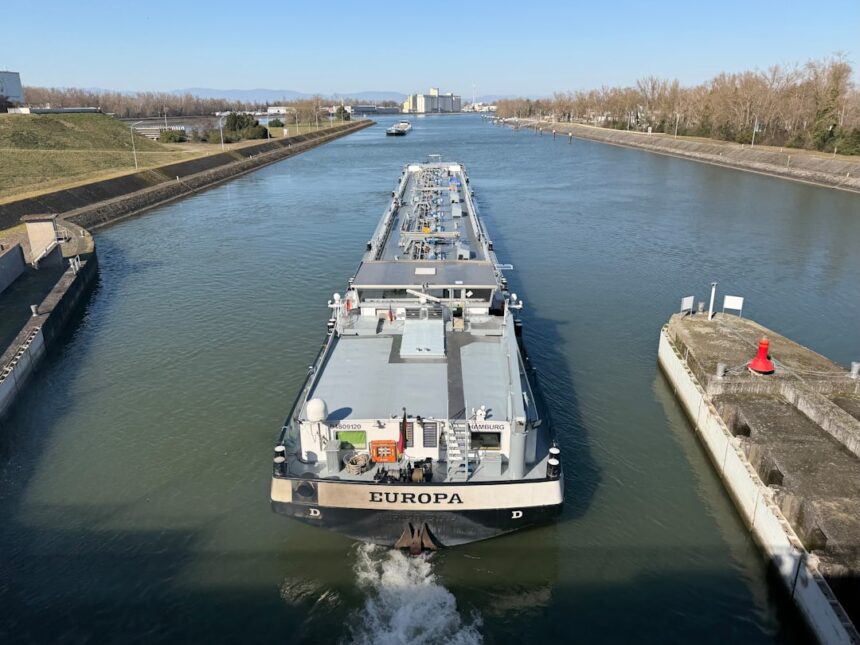
Water levels on the Rhine, a vital European inland waterway for freight transport, experienced a significant rebound, rising above 40 centimeters late on August 20. Forecasts suggest that levels will exceed 70 centimeters by August 24, providing some much-needed relief to regional fuel supply chains as they face ongoing logistical challenges due to previous drought conditions.
Recent Conditions and Forecasts
As of early afternoon on August 21, water levels at Kaub, the lowest point of the Middle Rhine, stood at 45 centimeters. Initial forecasts from the German water authority WSV indicate a possible stabilization of water levels around the 70 cm mark for the subsequent two weeks. The past few weeks, characterized by drought, saw water levels drop below 10 cm at Kaub, which disrupted operations and led to severe restrictions on barge traffic further south, although navigation remained possible on the Lower Rhine and in the vicinity of Cologne.
Impact on Freight and Supply Chain
German weather service DWD predicts rainfall in Rhineland-Palatinate, including the Kaub area, on August 21-22, which is expected to improve conditions, followed by predominantly dry weather. Despite the expected increase in water levels, analysts from S&P Global Energy CERA caution that the recovery may not restore barge operations to normal levels immediately. They noted that historically, water levels on the Rhine take weeks to recover fully after rain events due to factors such as snowmelt and reservoir replenishment.

Market participants expressed cautious optimism about the forecasted improvements, although concerns remain about the sustainability of these levels. Current forecasts indicate that levels are unlikely to reach the 80 cm threshold above which carriers are not legally obligated to transport cargo, and operational risks persist. Barge load capacities are halved when levels fall below 135 cm, and are limited to just 25% at levels below 75 cm.
Logistical Challenges Ahead
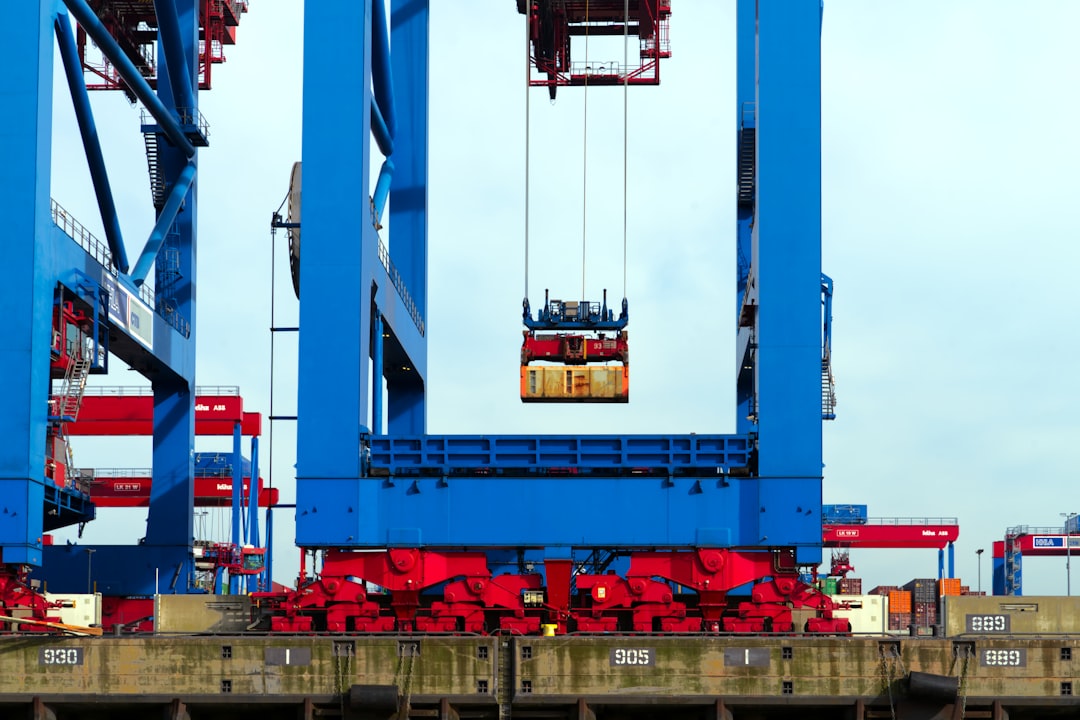
Bunker data provider Spotbarge estimates that if improved weather conditions continue, regular barge operations may commence again by September 1, allowing for the transport of 700-800 metric tonnes. However, this forecast carries risks, as downward revisions after loading could prevent vessels from passing Kaub. Current logistical challenges underscore the strain on supply chains, particularly as highway freight costs hover near all-time highs, hampering the transfer of goods from coastal refineries to inland consumers.
Despite the Rhine’s recent drop to record lows, emergency fuel stocks remain intact as neither the German nor Swiss governments activated releases. Crude supply via pipeline has reportedly kept Rhine-area refineries operational, maintaining an estimated refinery utilization of 89% for August. Analysts indicate that the primary bottlenecks involve product clearance logistics, as many refineries depend on barge or rail transport to manage product movement.
Behind the Headline
The recent rebound in Rhine water levels is a critical development for operators reliant on this essential trade route. While improvements offer temporary respite, the industry must remain vigilant about ongoing operational challenges. Operators should monitor weather patterns closely, as recurring fluctuations in water levels can directly impact transport capacity and costs. Additionally, the absence of viable barge routes and the reliance on costly road transportation for moving products to consumers will remain significant concerns as the supply chain adapts to changing conditions.