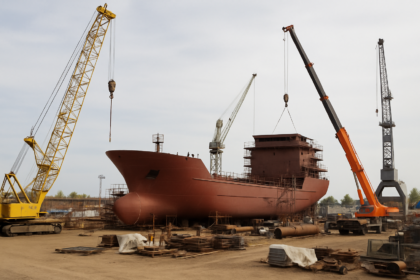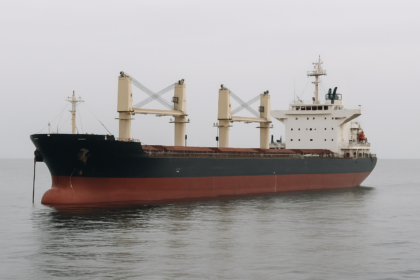
Japan is taking steps to revive its domestic construction of LNG carriers, having last delivered a home-built vessel in the sector seven years ago. On Friday, the Ministry of Land, Infrastructure, Transport and Tourism convened key stakeholders from shipyards, vessel owners, and the country’s largest LNG buyer to discuss potential pathways for this initiative.
Initiative Overview
The collaboration seeks to bolster Japan’s energy security by reestablishing local capabilities in LNG carrier construction. With ongoing global energy demands, notably from Asia-Pacific markets, there is a pressing need for Japan to reconsider its reliance on foreign-built vessels. Participants in the discussions aim to outline the necessary figures and proposals for a revival strategy, focusing on quantifying costs and production timelines.
Market Implications
The revival of LNG carrier construction in Japan could significantly impact the local shipbuilding industry. Historically, Japanese shipyards have been known for their advanced capabilities in constructing high-quality vessels. This initiative, therefore, not only aims to fulfill domestic needs but also positions Japan as a competitive player in the global LNG transport market. Any production ramp-up will likely entail addressing material supply chains and workforce training to fully optimize construction capabilities.


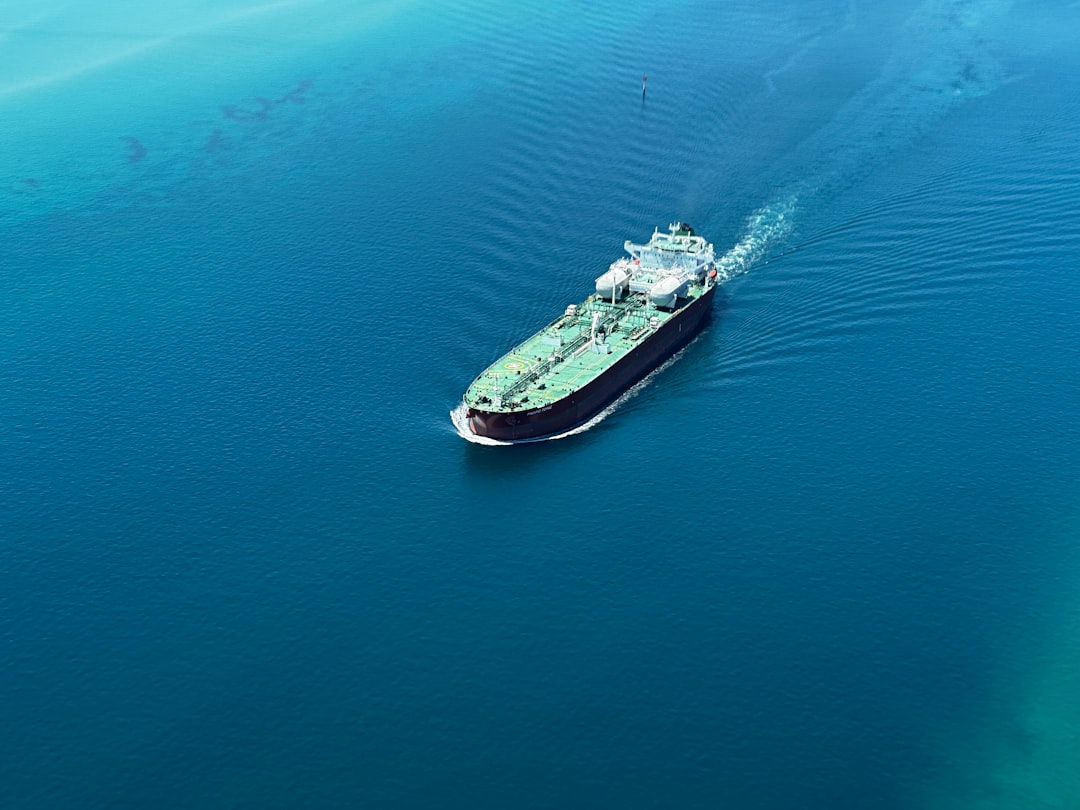
Stakeholder Perspectives
Key stakeholders, including vessel owners and the major LNG buyer, expressed strong support for the initiative. Their involvement is critical, as it fosters a comprehensive approach to ensuring vessels meet both regulatory standards and operational efficiency. The Ministry’s active role suggests a commitment to integrating these stakeholders into the planning phase, which could lead to more streamlined processes and reduced timeframes for new vessel deliveries.
Behind the Headline
The resurgence of Japan’s LNG carrier construction is a significant move towards enhancing the nation’s energy autonomy. The operational realities involved in shipbuilding extend beyond mere construction; they include logistics, financing, and the management of complex supply chains. Moreover, to ensure competitiveness, Japan’s shipbuilders will need to adopt advancements in dual-fuel technology and eco-friendly designs. Moving forward, monitoring the pace of collaboration among stakeholders, along with projected timelines for project rollouts, will be crucial for assessing the success of this initiative.