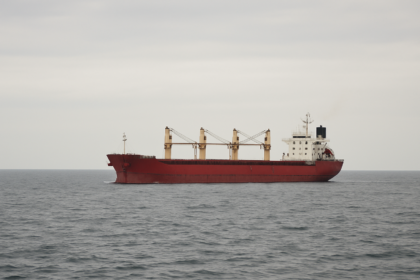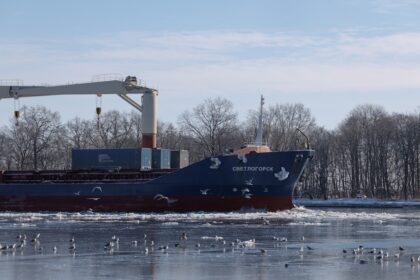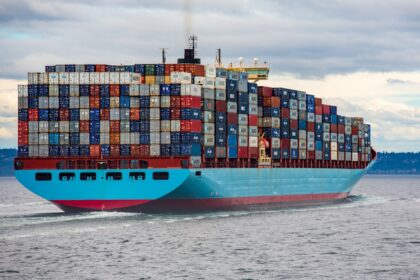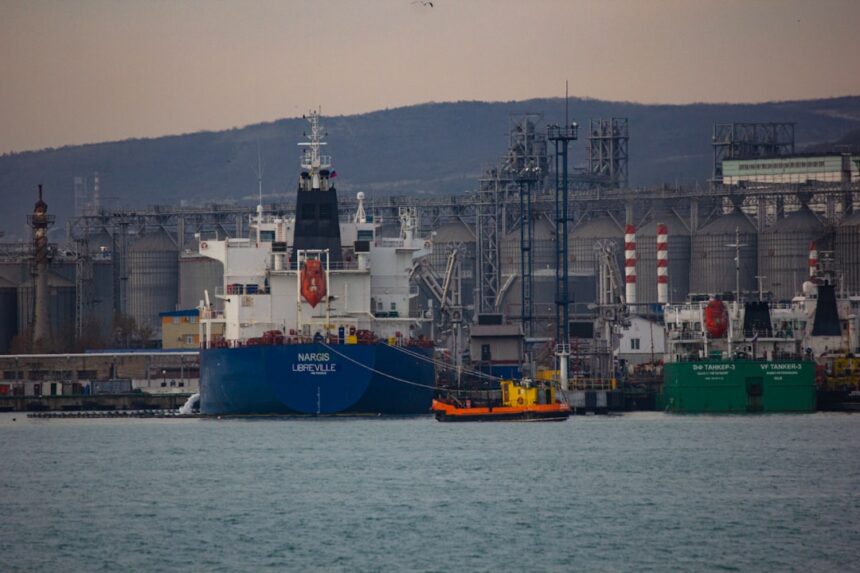
On August 23, 2026, Ukrainian President Volodymyr Zelenskyy announced that Ukraine had offered Russia a truce regarding attacks on shipping vessels transporting agricultural commodities through the Black Sea. However, Moscow has rejected this proposal, insisting on guarantees against attacks on its energy infrastructure, further complicating the maritime safety in the region.
The Incident
Zelenskyy noted that Russia’s position hinges on a reciprocal arrangement, asserting that it would avoid targeting Ukraine’s grain exports only if Ukraine stops its attacks on Russian energy assets. This development underscores the escalating tension in the Black Sea, where both nations have intensified their military operations against each other’s maritime assets. Reports indicate that Ukraine has exported only approximately 500,000 tons of grain since the beginning of August, significantly lower than its potential output during this year’s harvest season.
Market Impact
The ramifications of these attacks extend beyond immediate hostilities, posing a risk to global grain supply chains. The ongoing conflict between Russia and Ukraine, two countries that account for over a quarter of global wheat exports, could exacerbate food security issues worldwide. Furthermore, recent activities have resulted in substantial damage to Russia’s grain terminals in Novorossiysk, causing operational halts and forcing Ukraine to consider alternative export routes. As food prices fluctuate in response to these developments, shipping companies are likely reassessing their operations in this key maritime corridor.

Operator Response
Shipping operators navigating the Black Sea are facing heightened risks due to the lack of a secure environment for commercial operations. With both countries conducting military strikes, vessels are particularly vulnerable. The Ukrainian government has called for international support, proposing that vessels from allied nations be utilized to facilitate the export of agricultural products from both Ukraine and Russia, although this remains contingent on achieving a broader agreement. Shipping companies must stay vigilant as the situation evolves, actively monitoring threats and potential rerouting options to ensure the safety of cargo and crews.
The Operational Read
The precarious situation in the Black Sea illustrates the complexities faced by maritime operators amidst geopolitical conflicts. The demand for guarantees regarding energy and agricultural sectors raises significant operational challenges. For shipping firms, understanding the evolving risk landscape will be crucial as they plan routes and assess the viability of port operations. The ongoing naval confrontations give rise to potential increases in insurance premiums and a reevaluation of risk assessments for vessels operating in this region. The global market is likely to experience ripple effects from these developments, emphasizing the need for strategic adjustments by operators to mitigate potential losses.