Update 23 Aug 2026, 22:33 UTC:
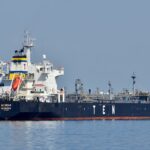
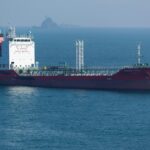
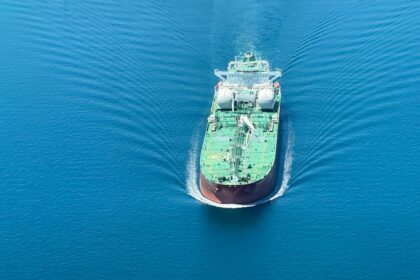
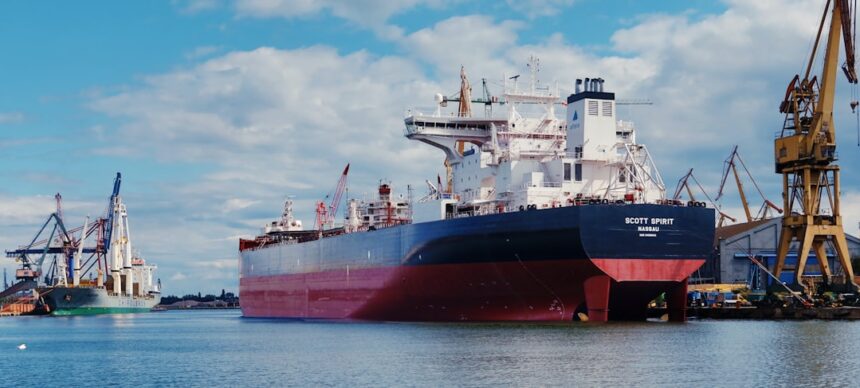
Iran has approved the passage of Iraqi oil tankers through the critically important Strait of Hormuz, as confirmed by state news agency IRNA. This concession came after multiple requests from the Iraqi government, signaling a potential thaw in maritime relations despite heightened geopolitical tensions in the region. The announcement follows a visit to Iraq by Iranian Parliament Speaker Mohammad Bagher Ghalibaf, highlighting the delicate nature of cooperation between the two nations.
Iraqi President Nizar Amedi described the situation as complicated but crucial, considering Iraq’s previous production of roughly 4 million barrels per day prior to the war. In light of current hostilities, Iraq is diversifying its export routes, seeking options through Turkey’s Ceyhan port as well as Syria’s Baniyas and Jordan’s Aqaba ports as alternative outlets for its oil exports.


U.S. Claims Over the Strait
As tensions continue to rise, U.S. President Donald Trump stated at a rally that he views the Strait of Hormuz as “American territory,” asserting he has “total control” over the area. This statement raises questions regarding U.S. intentions and its relationship with Iran, particularly in light of ongoing sanctions and military presence. Trump’s declaration comes as he reiterated Iran’s inaccessibility to nuclear weapons, further complicating the dialogue between these two nations.
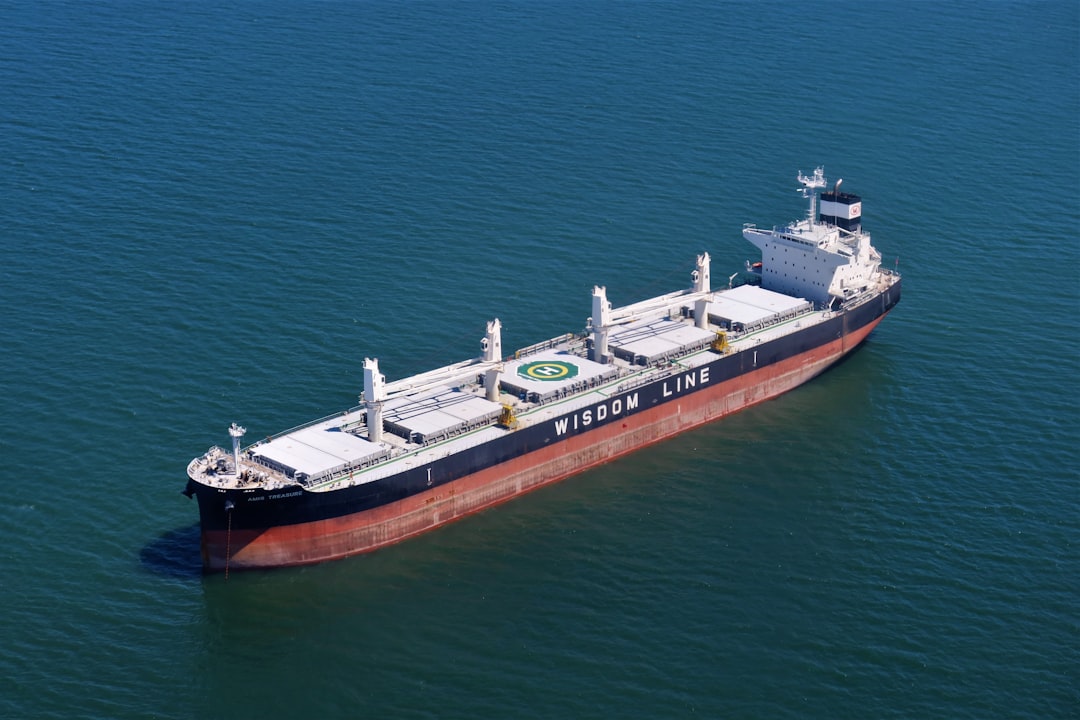
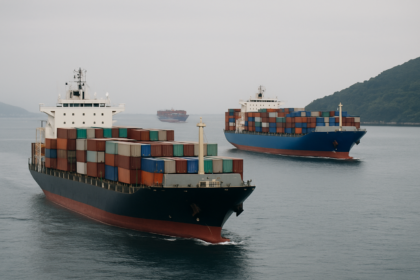
The assurances from Iran regarding the passage of Iraqi tankers come amidst severe rhetoric from Iranian officials, including claims that any obstructive measures in the Gulf would be met with significant retaliation. Iran’s Supreme National Security Council Secretary, Mohsen Rezaei, provided a stark warning, suggesting that Tehran would manage any reopening of the Strait and impose fees, marking a possible shift in maritime regulatory authority.
Regional Implications and Responses
Dialogues have also been occurring beyond Iraq, with Egypt’s Foreign Minister Badr Abdel-Aty engaging in discussions with his Iranian counterpart, Abbas Araghchi. Topics included de-escalation efforts and the importance of safeguarding international navigation in the Gulf. Abdel-Aty underscored the necessity of maintaining free navigation, an increasingly critical issue as tensions heighten.
Iranian officials, reiterating their stance, emphasized a