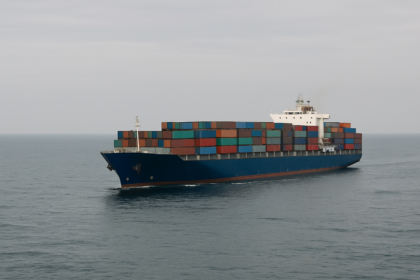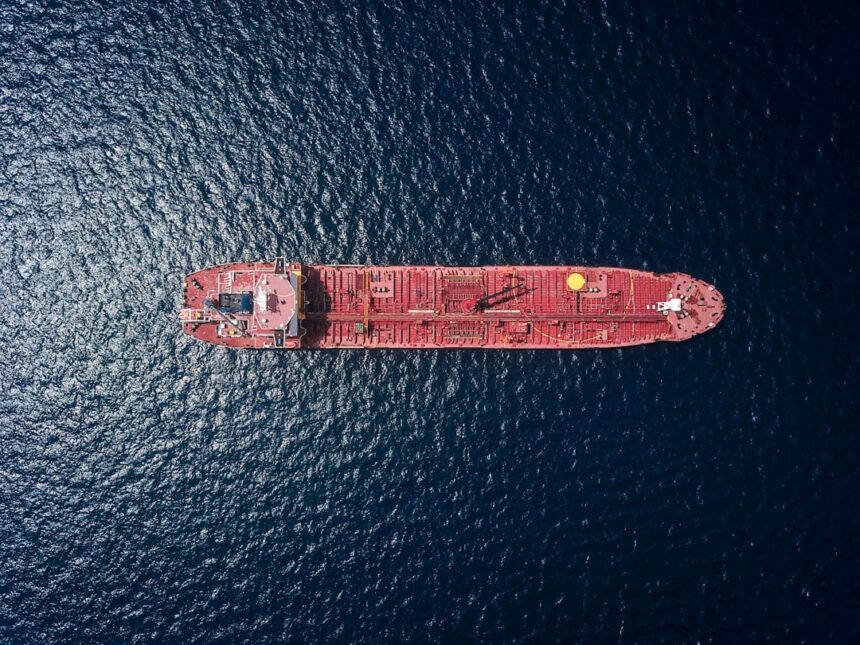
The Very Large Crude Carrier (VLCC) market is experiencing a significant surge in rates, attributed to increased crude oil purchases from China, constrained vessel availability, and ongoing tensions in the Strait of Hormuz. As operators witness this unprecedented market shift, reports indicate that rates are rising sharply across all regions.
Current Market Dynamics
Chinese demand for crude oil has intensified, prompting buyers to actively secure tonnage, which in turn tightens the availability of vessels in the market. This increase in demand comes at a time when geopolitical tensions, particularly in the Strait of Hormuz, are creating uncertainty for shipping operators. The situation in this critical chokepoint has historically affected tanker operations and can lead to increased costs associated with war-risk premiums.
Impact on Operators
With VLCC rates reaching what industry experts are labeling as ‘stop the press’ levels, operators are forced to navigate a rapidly changing landscape. The simultaneous rate increases on both sides of Suez highlight the convergence of multiple factors driving this market phenomenon. For charterers, the rising costs necessitate strategic planning to mitigate exposure to volatile markets while ensuring efficient vessel deployment.

Looking Ahead
The ongoing dynamics in the VLCC market indicate that operators must remain vigilant. Key factors to monitor include developments in Chinese crude imports, shifts in vessel availability, and geopolitical tensions that may further impact shipping routes. The combination of strong demand and tighter supply may sustain upward pressure on freight rates for the foreseeable future.
Behind the Headline
The response of the shipping industry to the current VLCC market conditions illustrates the delicate balance operators must maintain in terms of supply and demand. The rapid escalation in rates can significantly impact operational strategies, especially for charterers facing rigid budget constraints. Further developments in the geopolitical landscape, particularly actions taken in the Strait of Hormuz, will play a crucial role in shaping market trends. Stakeholders are advised to closely monitor these variables to adapt to an increasingly complex market environment.