On Thursday, August 13, a national security memorandum signed by President Donald Trump opened U.S. Navy shipbuilding to foreign shipyards, allowing companies to construct crucial vessels abroad under specific conditions. The announcement has resulted in notable increases in share prices for South Korea’s Hanwha Group and Italy’s Fincantieri, both of whom maintain significant U.S. shipyard operations.
Policy Overview
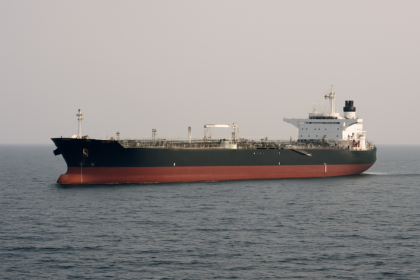
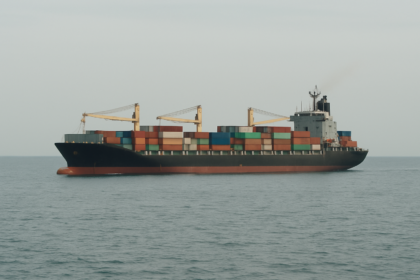
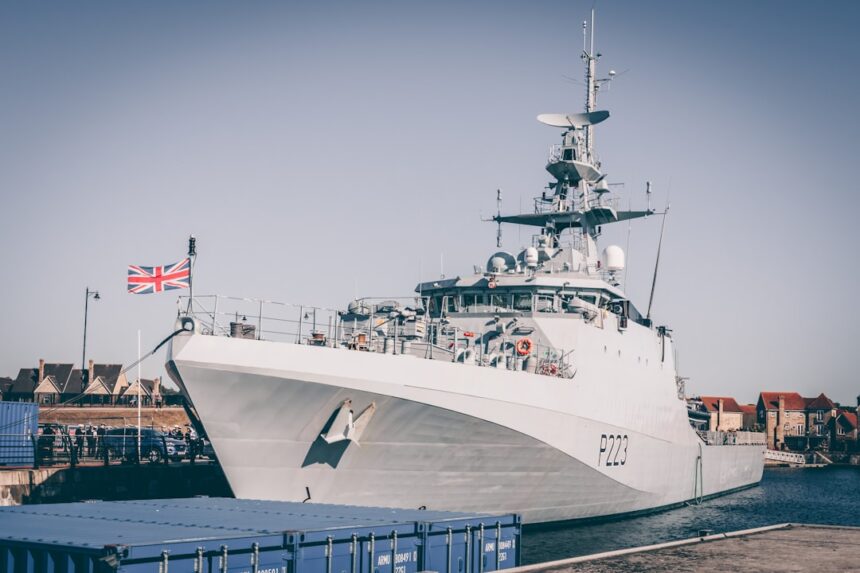
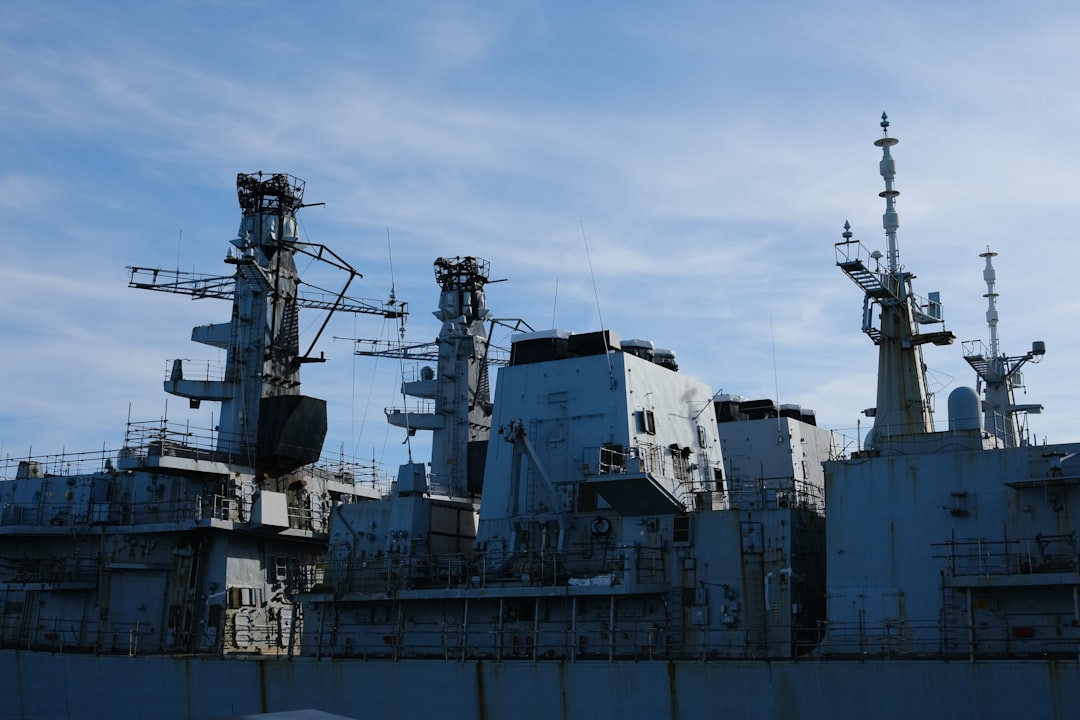
The directive permits foreign shipbuilders that invest substantially in U.S. facilities and train American workers to build up to two ships at their parent shipyards for fast delivery. This regulatory change focuses on three vessel types: surface combatants, consolidated cargo replenishment tankers, and roll-on/roll-off ships. Industry experts believe this policy could reshape the landscape of U.S. military shipbuilding.
Corporate Reactions
Hanwha’s stock experienced a 5.6% increase following the announcement, while Fincantieri’s shares rose by 3.2%. Hanwha’s recent acquisition of Philly Shipyard in 2024 and its $5 billion investment commitment to enhance operations in Pennsylvania places the company in a strong position in the U.S. market. Bryan Clark, a senior fellow at the Hudson Institute, emphasized the importance of South Korea’s financial commitments to U.S. shipbuilding in bolstering Hanwha’s competitive edge.


Conversely, Fincantieri—recognized as Europe’s largest shipbuilder—has injected over $800 million into its U.S. facilities over the last decade, including operations in Wisconsin. The firm recently secured a $30 million Navy contract for early work on Medium Landing Ship vessels, indicative of its ongoing involvement with the U.S. defense sector.
Market Implications
The implications of this policy for competitors and U.S. defense contractors are significant. The Shipbuilders Council of America has expressed concerns regarding the emphasis on overseas building, with warnings that it may undermine domestic shipbuilding capabilities. While the current focus is anticipated to trend towards tankers and roll-on/roll-off vessels due to the complexities and costs associated with warship redesigns, this shift presents a challenge for companies like Austal, which is evaluating the ramifications of the new regulations on its bid processes.
The Operational Read
The recent memorandum signifies a pivotal shift in U.S. Navy procurement strategy, potentially increasing dependence on foreign shipbuilders while facilitating quicker delivery timelines. For operators and charterers, this opens pathways for strategic partnerships and investment collaborations. The focus on tankers and specialized vessels signals a possible transition within the supply chain; operators should monitor emerging contracts that align with these new regulations. Industry stakeholders must assess how these developments impact competition dynamics, while keeping an eye on future procurement policies, which may further evolve in response to geopolitical considerations.