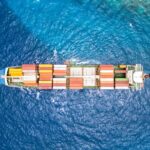
On Friday, August 14, maritime traffic through the critically strategic Strait of Hormuz has nearly come to a halt following attacks on two vessels belonging to the Abu Dhabi National Oil Company (ADNOC) on Thursday evening. The United States has announced that it will sustain a robust naval blockade of Iran, with U.S. Defense Secretary Pete Hegseth indicating that naval enforcement could continue indefinitely.
Recent Incidents
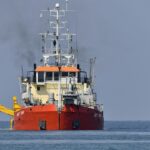
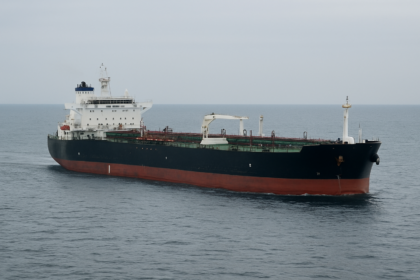
The two ADNOC ships were reportedly attacked as they transited the strait, which has been a focal point of increasing tensions between the U.S. and Iran. Although the Iranian government has not officially commented on these incidents, the United Arab Emirates has directly attributed the attacks to Iranian forces. This escalation is a significant manifestation of the ongoing conflict that has persisted since the outbreak of hostilities involving the U.S. and Israel earlier this year.
According to ship-tracking data from the company Kpler, only nine vessels were noted to have crossed the strait on Thursday, starkly lower than the August average of 12 crossings. The figure reflects a considerable decline in maritime activity compared to pre-war levels, where over 130 ships transited daily through this critical passage.

U.S. Military and Economic Responses
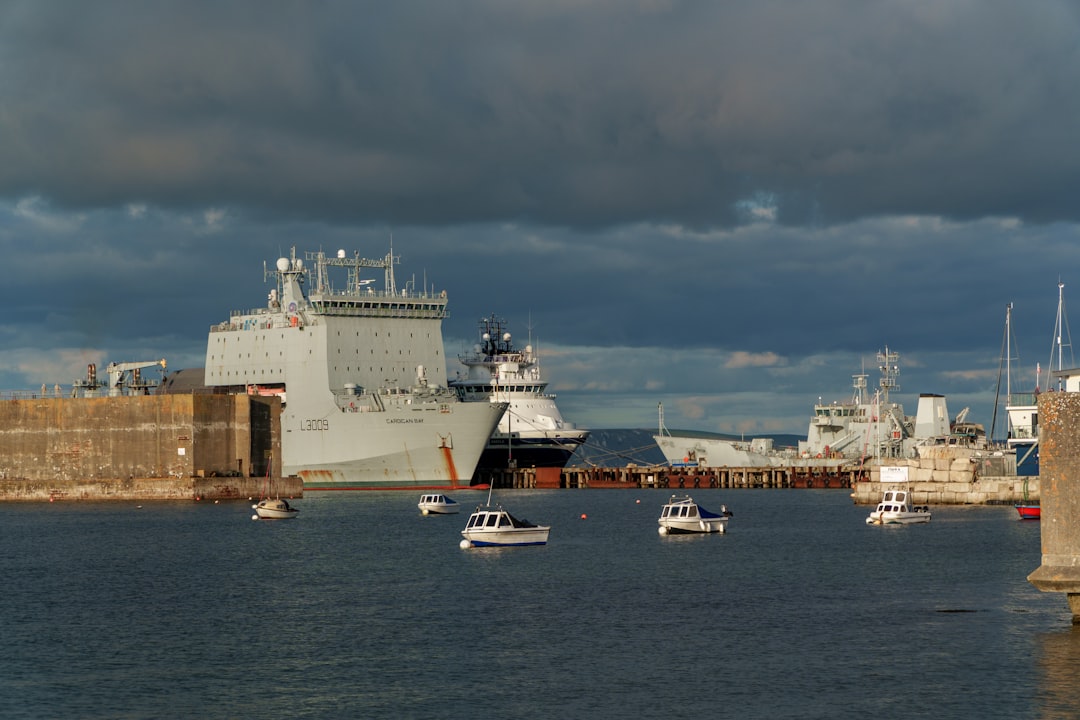
Secretary Hegseth reiterated the Pentagon’s commitment to maintaining a physical U.S. naval presence in the region, capable of enforcing the blockade. This strategic decision is part of the broader economic measures being planned against Iran, with Treasury Secretary Scott Bessent hinting at significant forthcoming sanctions aimed at further isolating the Iranian economy.
These announcements come amid rising domestic pressures on U.S. President Donald Trump, as the ongoing conflict and its implications for energy prices threaten political stability ahead of the midterm elections in November. The price of crude oil has remained relatively stable despite these tensions, with Brent futures hovering near $87 per barrel.
The Geopolitical Landscape
The ability of Iran to exert control over shipping in the strait has become a critical leverage point in its negotiations with the U.S., particularly as Iranian officials have asserted they will not agree to reopen the strait until certain conditions, including the lifting of sanctions, are met. This position underscores the geopolitical stakes involved not only for Iran but for global energy markets reliant on safe transit through this vital route.
The Operational Read
The current situation in the Strait of Hormuz presents significant operational challenges for shipping companies navigating these waters. With maritime traffic significantly reduced, operators must consider increased war-risk premiums and potential insurance adjustments for vessels transiting the strait. The enforcement of a naval blockade by the U.S. military adds layers of complexity, potentially leading to further disruptions. Operators will need to closely monitor shifts in regional security dynamics and may explore alternative routes or enhanced security protocols to mitigate risks associated with transiting through the strait. The situation remains fluid, and shipping companies must remain agile to respond to any escalation or changes in U.S. and Iranian maritime policies.