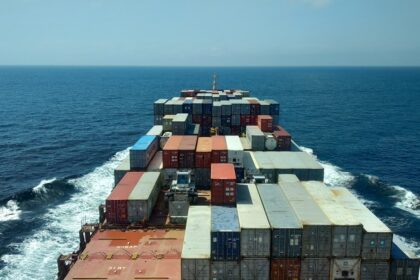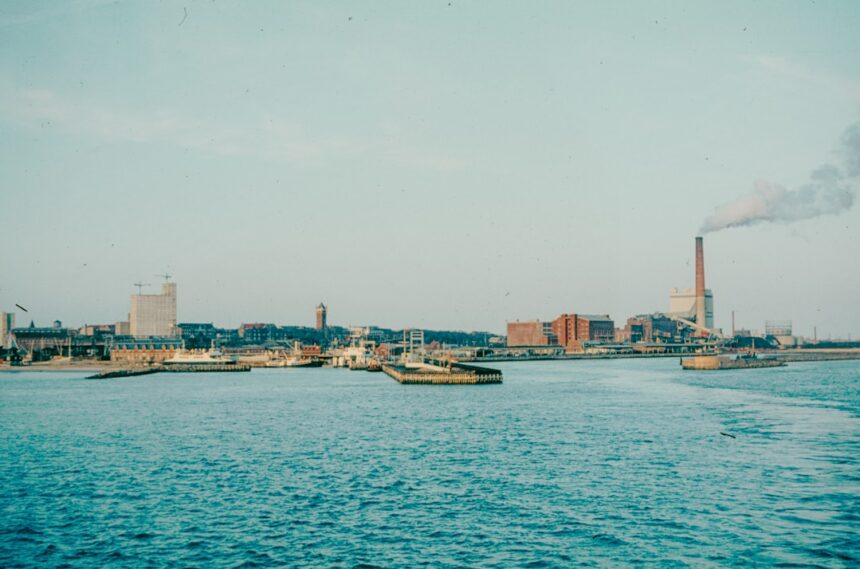
A recent study indicates that air quality in Ilulissat port, Greenland, is alarmingly poor, with levels of harmful particles averaging between 60,000 and 70,000 particles/cm3—60 to 70 times above World Health Organization (WHO) recommended limits of 1,000 particles/cm3. Conducted by Dr. Kåre Press-Kristensen, a senior advisor on air quality and climate at Green Global Future, the findings highlight a significant health risk for port workers and nearby residents.
The measurements, taken between July 29 and August 7, 2026, reveal short-term peaks exceeding 200,000 particles/cm3 and a high concentration of ultrafine soot particles, a known toxic element contributing to serious health issues such as cardiovascular diseases, lung ailments, and an increased risk of cancer. Additionally, black carbon, the main component of soot, poses a major threat to Arctic climate stability.
The Call for Action
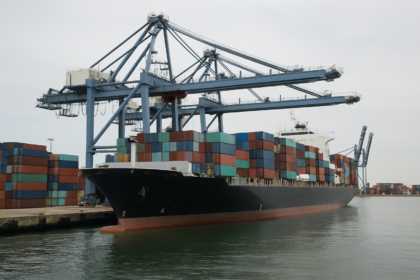
Experts, including Dr. Press-Kristensen, underscore the pressing need for measures such as electrification of port equipment and the provision of onshore power to vessels to mitigate this pollution crisis. “Greenland has significant potential to harness renewable energy sources, including hydro, solar, and wind, to reduce both local pollution and dependency on fossil fuel prices influenced by global events,” stated Dr. Press-Kristensen.

The findings imply that similar pollution challenges are likely present in other Greenlandic ports lacking electrical infrastructure. Furthermore, it was noted that cruise vessels contribute substantially to air quality degradation, emitting toxins comparable to that of 3,000 to 5,000 cars every second when operating at berth.
Potential Regulatory Responses
There is a growing consensus that transitioning to cleaner fuel options, specifically distillate fuels identified as polar fuels like marine gas oil, is critical for the future of shipping in Greenland and the broader Arctic region. Implementing such changes can significantly diminish emissions and improve public health outcomes around port zones.
In addition to local initiatives, Greenland’s designation of emission control policies—including a proposal on polar fuels at the International Maritime Organization (IMO) and a ban on scrubber water discharges in territorial seas—reflect a sustainable approach to environmental stewardship. Analysts suggest that these regulations could establish a green corridor between Nuuk and Reykjavik, further protecting the fragile Arctic ecosystem.
The operational expenses associated with port electrification are expected to be offset by savings on fuel oil and the broader benefits of eliminating local ship pollution at docks.
Why It Matters
The air quality crisis in Ilulissat port serves as a critical reminder of the pressing environmental challenges faced by Arctic communities. High levels of toxic pollution jeopardize not only public health but also hinder economic activities such as fishing and tourism, which are essential for local livelihoods. The demand for immediate action in transitioning to cleaner energy solutions is intensified by the need to protect Arctic ecosystems from further degradation. Observers note that while initiatives like the Northeast Atlantic Emission Control Area are steps in the right direction, a more comprehensive approach is required to effectively tackle black carbon emissions and ensure the sustainability of Greenland’s marine environment.