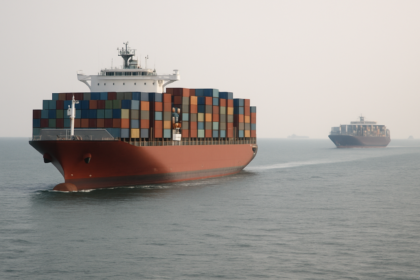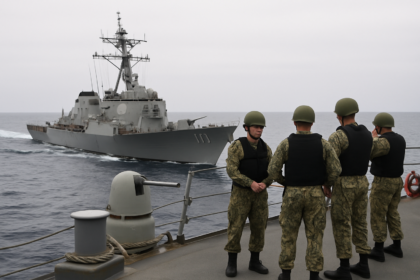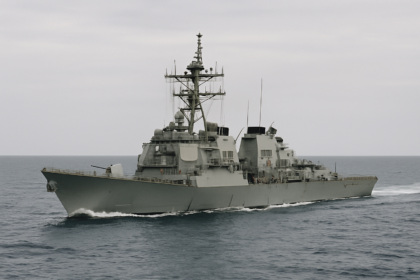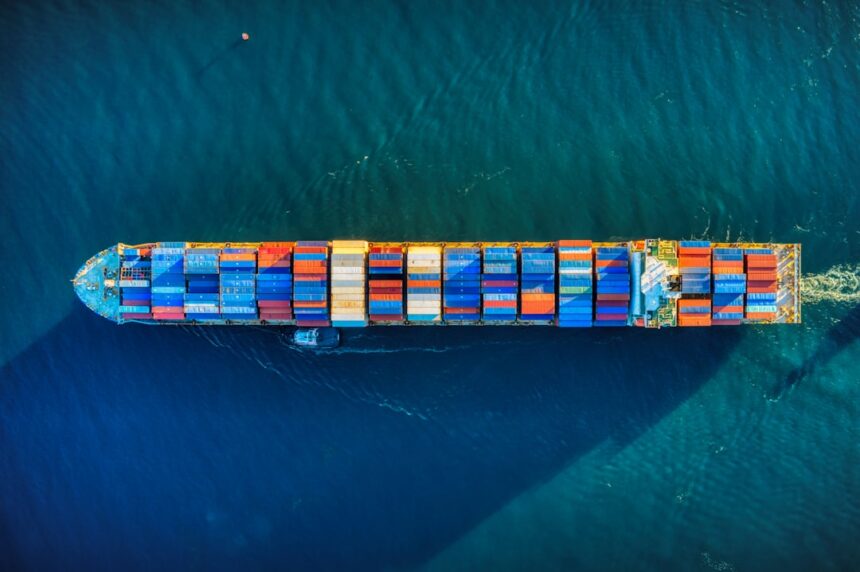
On Tuesday, U.S. Central Command confirmed the disabling of the Panama-flagged containership Vela Nova in the Gulf of Oman following a military action by U.S. forces involving two Hellfire missiles. The vessel was reportedly en route to an Iranian port after ignoring repeated warnings, leading to its engagement by a U.S. Navy MH-60 helicopter.
CENTCOM stated that the missiles targeted the vessel’s engine room, effectively rendering it unable to continue its journey toward Iran. Following the strike, initial reports from the United Kingdom Maritime Trade Operations indicated the containership had been struck in the stern and steering area, contributing to the vessel being out of command.
The Incident
All crew members aboard the Vela Nova were accounted for, with no reported injuries resulting from the incident. The vessel experienced a fire caused by the missile strike, which was later extinguished. AIS data indicated that the Vela Nova was sailing from India toward Jebel Ali before the engagement occurred. This action by U.S. forces represents a significant enforcement of the blockade against Iranian access, as it is primarily aimed at commercial shipping.


Market Impact
The strike on Vela Nova is notable because it involved a containership, a type of vessel that has previously received less attention compared to tankers under U.S. enforcement strategies. Prior to this incident, only one other containership, the Iranian-flagged Touska, had been engaged by U.S. forces. With the Vela Nova targeting occurring outside the Strait of Hormuz, it symbolizes a broader commitment by U.S. forces to monitor and control shipping movements within the Gulf of Oman.
Operator Response
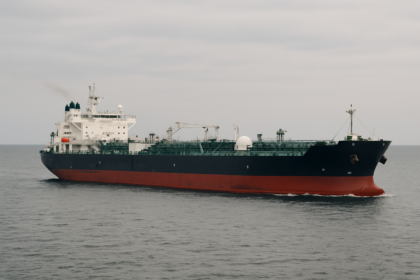
Sailing operators in the region are likely assessing the increased risk of military engagement as the U.S. military prioritizes its vigilance in enforcing the blockade. The backdrop of commercial traffic through the strategically vital Strait of Hormuz remains well below normal levels amid ongoing geopolitical tensions. Since the inception of the blockade enforcement, U.S. forces have redirected 55 vessels, disabled three non-compliant ships, and boarded two others, signaling a firm stance by Washington regarding maritime security in the area.
The Operational Read
This incident serves as a stark reminder of the operational challenges faced by commercial shipping in the region. Operators must now consider additional risk assessments when planning routes through the Gulf of Oman, given the U.S. military’s readiness to enforce its blockade aggressively. This evolving landscape demands heightened awareness and possibly the rerouting of vessels to avoid military encounters, affecting laytime and demurrage costs in the shipping cycle. The recent escalation could prompt operators to seek enhanced protection measures, further complicating an already strained shipping environment in the Persian Gulf.