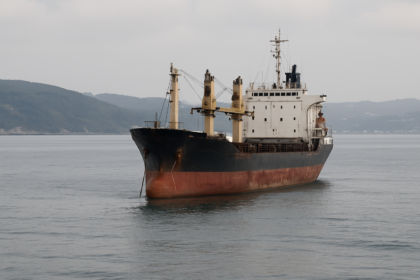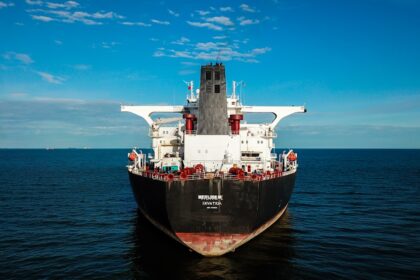
On August 11, four crew members aboard the Egyptian-owned cargo ship Tihamah were killed during an attack by Iran-backed Houthi forces in the Bab el-Mandeb strait. This incident, reported by Yemen’s transport ministry, marks an unsettling escalation in maritime violence and represents the first significant loss of life resulting from a Houthi strike on shipping since the onset of hostilities in February 2026.
The Attack Details
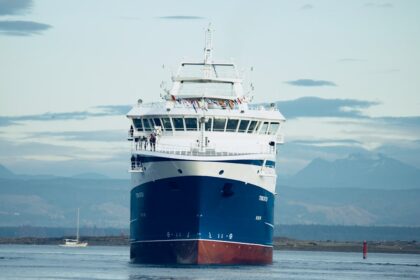
The attack occurred while the Tihamah was anchored northeast of Perim Island, Yemen. Reports indicate that the vessel was struck by an unknown projectile, leading to losses in control of the ship. The Yemeni military noted that three coastguard personnel were also injured when they were targeted by a drone during a rescue attempt.
As the situation unfolds, the Houthis have not publicly claimed responsibility for the attack, but they recently declared a maritime embargo against Saudi Arabia on July 20, asserting control over shipping lanes in response to what they deemed a Saudi siege—an allegation fiercely denied by Riyadh.


Associated Missile Strike Off Pakistan
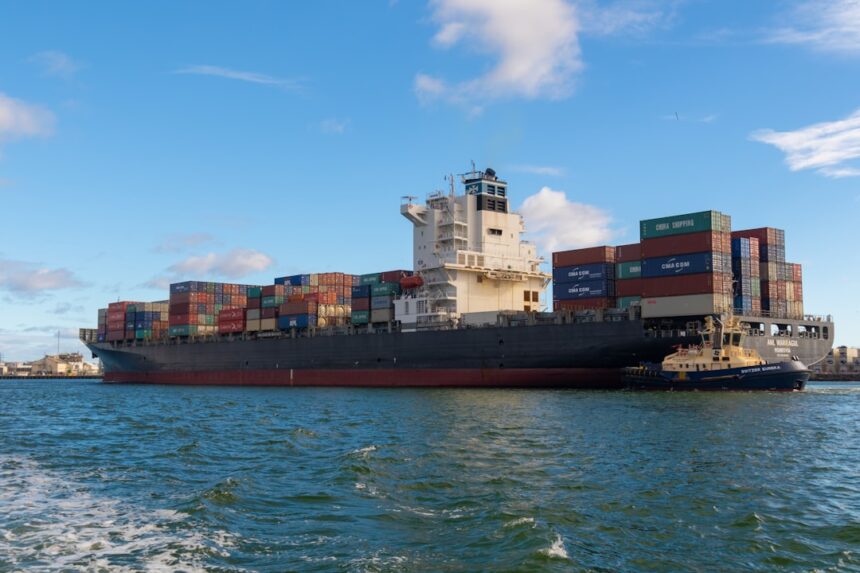
In a related development, the Panama-flagged container ship Vela Nova reportedly suffered missile damage while transiting the Gulf of Oman. Sources suggest the missile was fired from a U.S. helicopter in response to the vessel’s evasion of a U.S. blockade targeting Iran-linked shipping. This incident raises serious concerns regarding the ongoing maritime security situation and the ramifications for vessels operating in the region.
UK maritime risk management group Vanguard confirmed the incident occurred approximately 71 nautical miles off the Pakistani coast. The Vela Nova had recently docked at ports in Mumbai and Port Klang, Malaysia, where vessels linked to Iran were also sighted.
Impact on Shipping and Trade
The cumulative impact of these attacks is already being felt in the shipping industry. Data indicates that traffic through the Bab el-Mandeb strait has plummeted by over 50% since the recent uptick in Houthi-hostile actions, with recent figures showing an average of only 32 ships passing through compared to the typical 50 vessels prior to the blockade announcement.
Furthermore, the situation in the Strait of Hormuz is equally concerning, with vessel transits reduced to a mere six on the last reported Monday, starkly contrasting with pre-war volumes averaging around 130 to 140 vessels.
As the geopolitical tensions persist, the shipping industry must navigate a complex landscape of escalating risks and operational challenges while also adapting to potential changes in route planning and security protocols.
The Operational Read
The operational environment in the Red Sea and Gulf of Oman remains precarious as the threat of Houthi attacks and U.S. military interventions intensifies. For shipping operators, the recent escalation necessitates a reevaluation of risk management protocols, including rerouting strategies and increased vigilance in hostile waters. With the Houthi maritime embargo creating a volatile marketplace, operators may face heightened insurance premiums and potential disruptions to trade flow. Monitoring developments closely will be crucial, as increasing hostilities could lead to further restrictions and alter the shipping landscape in the region.