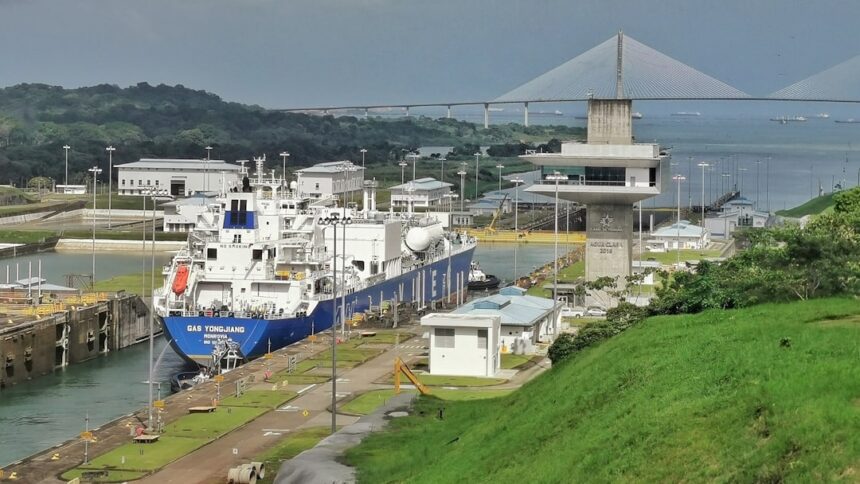
The Panama Canal Authority (ACP) announced significant changes to draft limits for vessels transiting its Neopanamax locks, effective August 26. The maximum authorized draft will be reduced to 48.0 feet (14.63 meters), followed by an additional decrease to 47.5 feet (14.48 meters) starting September 3. These measures are necessitated by ongoing low water levels in Gatun Lake, correlating with the intensification of the El Niño phenomenon.
Current and Past Adjustments
Recent adjustments follow earlier alterations this summer, which included a reduction from 49.5 feet in early July to 49.0 feet on July 24, and subsequently to 48.5 feet effective August 15. Despite the rigorous nature of these changes, the ACP assured that the overall daily vessel transit numbers would not be impacted. This careful management aims to balance the preservation of freshwater resources and the need to maintain operational reliability during the 2026 dry season.
Water Management Strategies
Each transit through the Panama Canal utilizes millions of gallons of freshwater, making effective water conservation measures paramount, especially during periods of below-average rainfall. Previous years’ severe drought conditions (notably the historic 2023-24 drought) prompted the canal authority to impose deeper draft restrictions and transit reductions, which disrupted global shipping routes and resulted in considerable vessel backlogs. In reaction to those challenges, the ACP has rolled out various water-preservation initiatives, including:

- The enhanced utilization of the Neopanamax locks’ water-saving basins.
- Simultaneous lockages for smaller vessels to improve efficiency.
- Interior lock gates designed to decrease overall water consumption.
- Reduced hydroelectric output at the Gatun Dam for water conservation.
The authority remains vigilant in assessing hydrological forecasts, particularly as the current El Niño continues to strengthen. Forecasters anticipate a heightened risk of below-normal rainfall across Central America, further stressing the watershed that supplies the canal. The ACP may introduce additional measures based on ongoing evaluations of weather conditions.
Behind the Headline
The adjustments to Panama Canal draft limits highlight the critical relationship between climate variability and operational planning at one of the world’s essential maritime trade routes. As vessels are constrained by new draft restrictions, operators may face increased operational expenses and potential delays in shipping schedules. Consequently, carriers may need to consider alternative routes like the Suez Canal or potentially increase reliance on land-based transport. Continuous monitoring of conditions will be necessary, as the frequency and intensity of such climate-induced challenges seemingly increase. Industry stakeholders must remain agile and proactive in preparing for potential impacts on their supply chains.