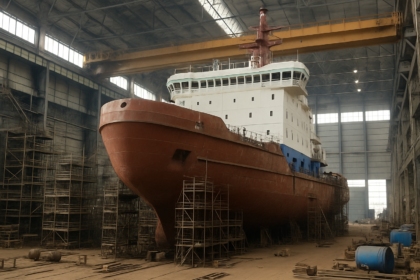
Eastern Shipbuilding Group Inc. (ESG) and Washington State Ferries (WSF) have commenced the construction of three new hybrid-electric ferries, marking a pivotal moment in fleet modernization. The project was formally initiated with a steel cutting ceremony held in Florida, led by David Sowers, Program Administrator for System Electrification at WSF.
In a significant development, Mr. Sowers announced that Washington State is exercising the option in the contract for an additional third boat. This addition follows a long hiatus in ferry construction, with the last new vessels built nearly ten years ago. The delivery schedule is set to see the first ferry completed in 2030, the second in 2031, and the third in 2032.
Significance of the Project
“The restoration of our ferry system to full domestic service has been a priority,” stated Sowers. He highlighted the importance of this project as part of a comprehensive strategy to rebuild and modernize the ferry fleet. Joey D’Isernia, CEO of Eastern Shipbuilding Group, emphasized the company’s commitment to delivering safe, high-quality ferries that will serve Washington communities for decades.

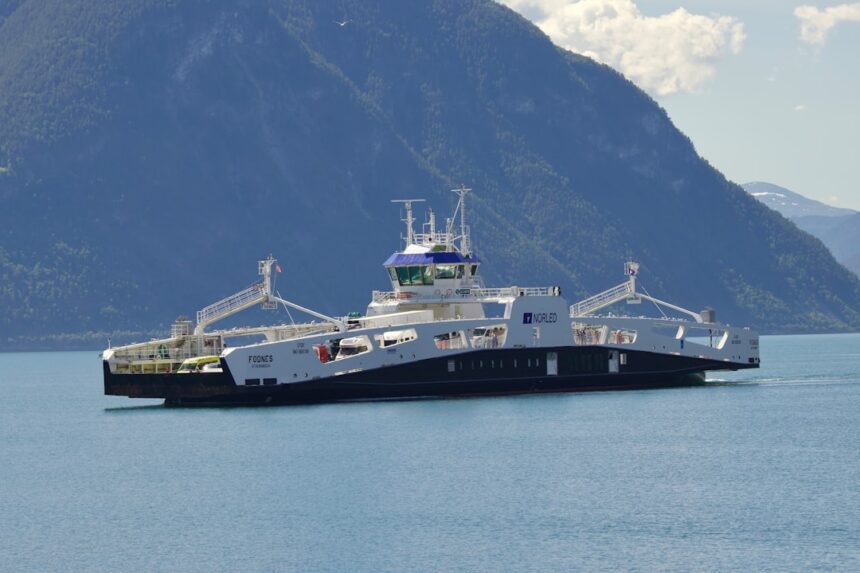
The new hybrid-electric ferries are designed to improve service reliability and resilience, showcasing Washington’s commitment to cleaner transportation options. This initiative aligns with broader efforts to enhance the sustainability of public transport systems.
Operational and Market Implications
The launch of these ferries is expected to improve operational efficiency within the state’s ferry system, which is crucial for connectivity across various communities. In the wake of increasing environmental regulations and a strong public demand for greener transport solutions, the introduction of hybrid-electric vessels could set a benchmark for other ferry systems in the U.S. and beyond.
This investment in modern ferry infrastructure also reflects a growing trend in the maritime sector toward sustainable vessel operation. As the industry moves towards decarbonization, the impacts of such projects can ripple through supply chains, affecting operators, technology providers, and local economies.
Behind the Headline
The decision to build new hybrid-electric ferries is a critical step for Washington State Ferries, particularly after a significant gap in fleet development. The operational benefits of these modern vessels are manifold, offering improved reliability while addressing environmental concerns. For operators and stakeholders, there is optimism about the impacts of these enhancements on service delivery and passenger experience. Monitoring the construction progress and future operational metrics will be essential in understanding the success of this modernization effort and its implications for public transportation in Washington State.