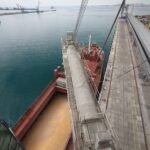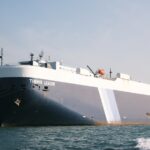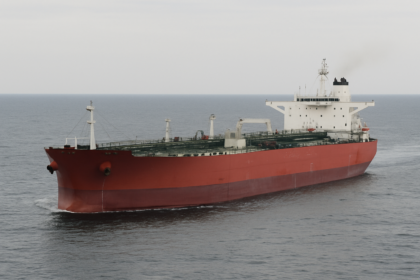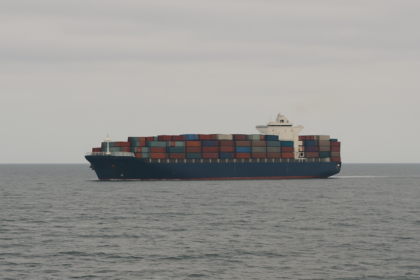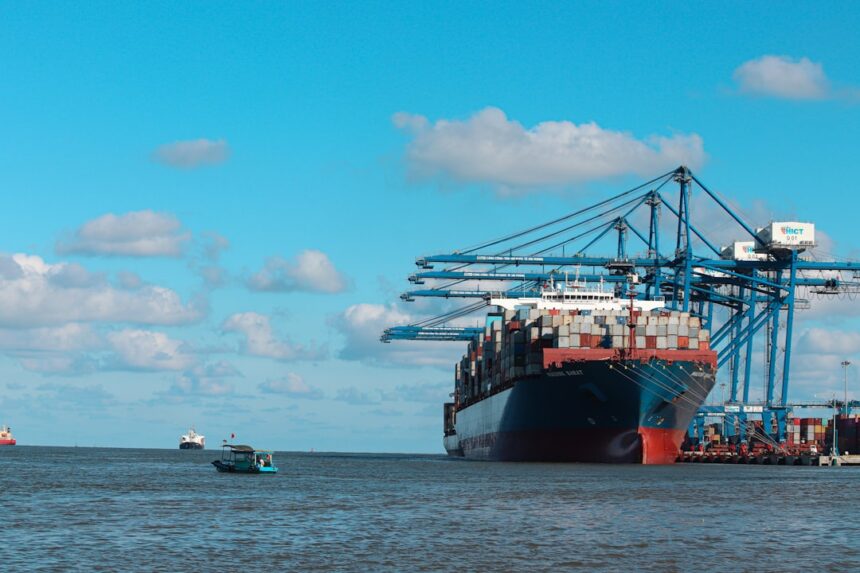
An Indian-flagged cargo vessel, the Faize Noore Oliya, sank in the Red Sea on August 4 after being struck by a projectile, believed to be from an explosives-laden boat, near Yemen’s waters. This event signifies a troubling escalation in maritime threats affecting commercial shipping in the region.
The Incident
The attack occurred approximately 13 nautical miles south of Hodeidah, as confirmed by maritime intelligence firm Windward. The vessel capsized after the impact, but fortunately, all 14 crew members—including 13 Indian nationals—were successfully rescued by the Yemeni Coast Guard and transported to safety at the Port of Mokha.
Reacting to the incident, India’s Minister of Ports, Shipping & Waterways, Sarbananda Sonowal, condemned the unprovoked attack, emphasizing the priority of safety for Indian seafarers. Following the incident, he directed India’s Director General of Maritime Administration (DGMA) to engage with relevant agencies to ensure further protection for Indian crews in the area.

Regional Context
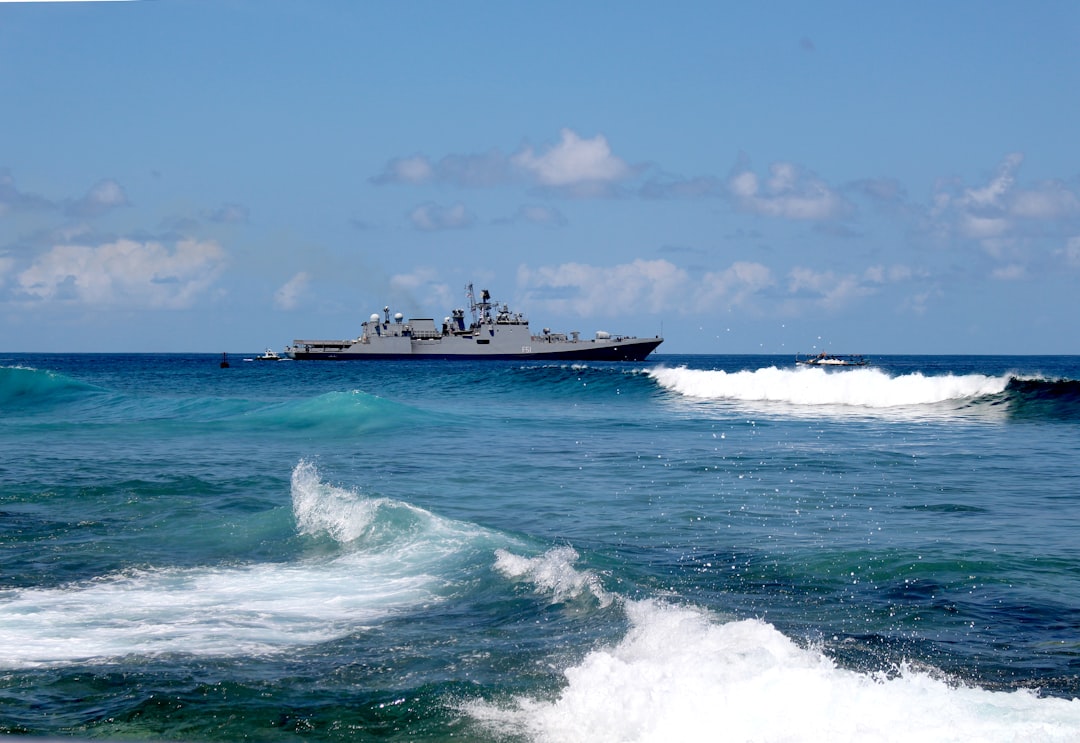
The attack on the Faize Noore Oliya comes against the backdrop of increasing hostilities toward commercial shipping in the Red Sea, particularly attributed to activities linked with Houthi forces. Recently, the Houthis claimed responsibility for an incident involving the Saudi-flagged chemical and products tanker NCC GHAZAL, asserting that it had breached their purported maritime blockade of Saudi ports.
India’s Ministry of External Affairs responded by calling for an immediate cessation of attacks on commercial vessels, underscoring the need for unimpeded navigation in accordance with international law. This incident compounds ongoing developments in regional maritime security, compelling operators to reconsider their routing and operational protocols, especially as tensions escalate.
The Operational Read
The sinking of the Faize Noore Oliya highlights the complex security landscape in the Red Sea, where operators must navigate not only the risks of piracy but also the threats posed by state and non-state actors. For shipping companies, this incident serves as a stark reminder of the necessity for risk assessments and contingency planning when operating in high-tension areas. Precautionary measures may include rerouting through safer channels or increasing onboard security protocols. As the maritime environment continues to evolve, vigilance and responsiveness to emerging threats will be crucial for ensuring the safety of crews and vessels in the region.