The Seafarers Happiness Index (SHI) released by The Mission to Seafarers indicates a significant decline in seafarer morale during the second quarter of 2026. The index shows an overall happiness score of 6.87 out of 10, down from 7.18 in the preceding quarter. This decline reflects a worrying transition from acute shocks related to geopolitical tensions in the Persian Gulf to the chronic strains of everyday life at sea.
Ben Bailey, Director of Programme at The Mission to Seafarers, expressed concern about the implications of these findings for the maritime industry, stating, “Seafarers are extraordinarily resilient, but we must not mistake resilience for unlimited capacity; endurance is not the same as wellbeing.” As the industry grapples with ongoing challenges, the report reveals that many issues contributing to declining morale have persisted despite easing geopolitical tensions.
Core Challenges
The SHI report highlights that limited shore leave has emerged as a critical issue, scoring the lowest among all categories at 5.72. Factors such as short port stays, demanding schedules, and restricted terminal access severely constrain opportunities for seafarers to spend time ashore. Workload management remains another significant concern, receiving a score of 6.20. Respondents cited relentless watchkeeping schedules and increasing paperwork, leading to recorded rest hours that often fail to reflect actual experience on board.

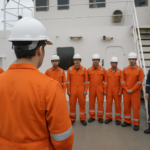
Conversely, some indicators showed more positive results: relationships among crew members scored 7.49, and connectivity onboard reached 7.46. These scores underscore the importance of strong interpersonal connections and reliable communication with loved ones, which remain vital in maintaining crew morale.
Recruitment and Retention Challenges
The report also points toward growing challenges in recruitment and retention, as seafarers increasingly weigh maritime careers against shore-based opportunities, leading to a paradigm shift in workforce expectations. One respondent noted younger workers perceive fewer advantages compared to onshore employment.
Furthermore, the report detailed demographic variances in happiness levels. Female respondents reported an average score of 6.06, significantly lower than the 7.13 average for their male counterparts. Regionally, seafarers operating in the Middle East recorded the lowest average score at 4.94, while crews on container ships averaged 5.85, well below the industry-wide average. Additionally, mid-career seafarers, particularly those aged between 35 and 55, reported the lowest morale of any age group.
Amidst these challenges, industry advocates stress the necessity for fundamental improvements. Key areas targeted for enhancement include adequate rest periods, reliable connectivity, quality provisions, and wages that more accurately reflect the sacrifices of life at sea. The index is compiled in collaboration with key stakeholders such as Inmarsat Maritime and Idwal, connecting vessel surveyors’ feedback with independent assessments of vessel conditions to identify and address welfare issues affecting crews.
Why It Matters
The decline in seafarer happiness marks a crucial concern for the maritime industry, as enduring operational strains can negatively affect crew retention and overall safety at sea. As seafarers face relentless workloads coupled with insufficient shore leave, operators must prioritize welfare measures that address these chronic issues. By focusing on crew well-being, fostering supportive work environments, and ensuring competitive pay, companies can attract and retain talent in a sector marked by heightened competition. Stakeholders will need to monitor these trends closely, as the long-term success of maritime operations hinges upon the satisfaction and resilience of its workforce.