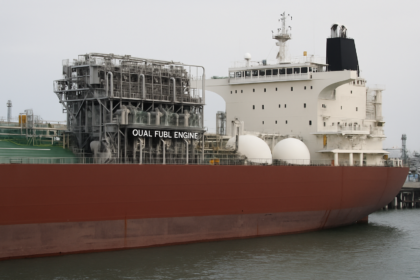
As of July 2026, Italy has ascended to the position of Europe’s leading importer of liquefied natural gas (LNG), utilizing government incentives to continue acquiring cargoes even amidst soaring prices. This strategic decision comes at a time when neighboring nations are curtailing their purchases, creating a stark contrast in energy strategies as Europe braces for the winter months.
Italy’s Strategic Positioning
The surge in Italy’s LNG imports can be attributed not only to government support but also to the country’s heightened reliance on gas due to increased energy demands during recent heat waves. While Italy’s competitors, particularly Germany and France, have lagged in their storage fill rates, Italian traders have taken full advantage of incentives aimed at replenishing storage facilities. This proactive strategy has positioned Italy to better weather potential supply shortages as inventory levels decrease across Europe.
Italy’s LNG storage capacity is notable, with current levels at approximately 75% full. This figure is higher than the respective storage levels of Germany, which stands at 47%, and France at 56%. The storage regulations in Italy feature strict refilling mandates, including penalties for non-compliance, further motivating traders to expedite purchases. This has allowed Italy to leapfrog ahead in LNG imports, a first observed in ship-tracking data dating back to 2017.



Market Pressures and Future Implications
The pressing issue of gas pricing in Europe has been exacerbated by ongoing conflicts in the Middle East, leading to a significant escalation in costs. Year-to-date, European gas prices have nearly doubled, posing challenges for several countries striving to build up their inventories ahead of winter. In contrast, Italy’s forward-thinking approach could either prove to be a wise investment or a costly burden, depending on future market conditions.
As a consequence of these dynamics, analysts are monitoring the European market closely for signs of a bidding war for LNG cargoes, especially if supply disruptions persist. Agostino Scornajenchi, CEO of Italian gas network operator Snam SpA, indicated that price tensions are likely to continue in the coming months. Additionally, Goldman Sachs Group Inc. has raised the alarm regarding potential price surges, predicting costs could reach up to €100 per megawatt-hour this December should market conditions remain tight.
Behind the Headline
The implications of Italy’s rise as the dominant LNG importer in Europe extend beyond mere statistics; they reflect a critical pivot in the region’s energy procurement strategy. Utilities and energy companies operating in a landscape marred by volatility must balance stockpiling against financial viability, especially as Italy demonstrates robust purchasing behaviors that could influence future market dynamics. This position will be closely observed as the winter approaches, revealing whether Italy’s investments in gas will yield favorable outcomes or whether competing nations will find themselves disadvantaged by insufficient inventory levels. The broader effects on regional supply chains and gas pricing will likely prompt discussions among policymakers regarding intervention and support for weaker markets.