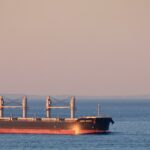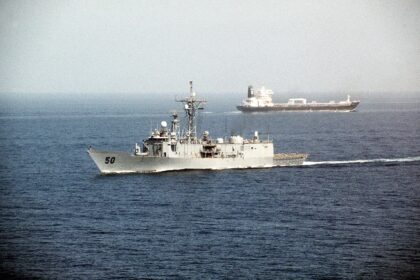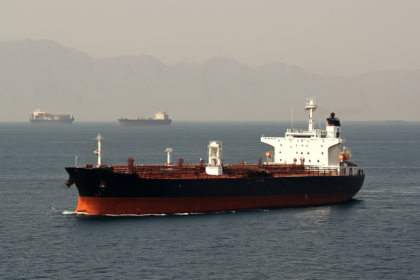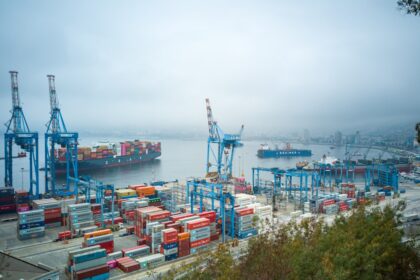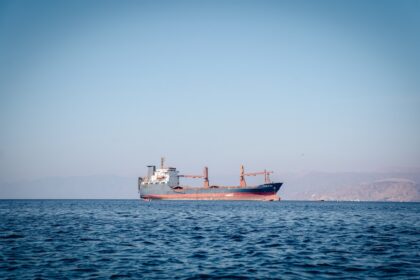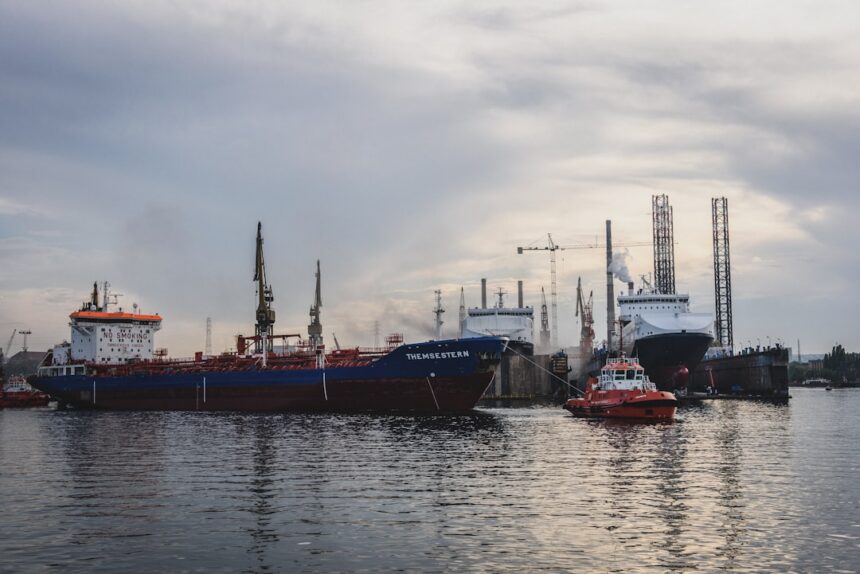
In a pressing response to escalating tensions in West Asia, India has called for the immediate de-escalation of hostilities, particularly in the Strait of Hormuz, where recent attacks on commercial shipping have raised alarm within the international maritime community. During a United Nations Security Council open debate, India’s Permanent Representative to the UN, Ambassador Parvathaneni Harish, articulated the country’s grave concerns regarding the resurgence of attacks following a brief cessation of conflict. He specifically condemned assaults targeting vessels such as GFS Galaxy, MT Al Bahiyah, and MT Mombasa, which occurred during their transit through this vital maritime corridor.
The Impacts of the Attacks
These incidents have had dire consequences for Indian nationals, with reports of one individual killed, another missing, and several injuries among the crew members. Ambassador Harish reiterated India’s long-standing position against violence directed at seafarers, emphasizing the importance of maintaining safe navigation through international waterways like the Strait of Hormuz, which is essential for global trade.
India’s economic ties to West Asia highlight the importance of stability in this region. Annually, bilateral trade between India and West Asian countries exceeds $180 billion. Moreover, cumulative foreign direct investment from the region has surpassed $31 billion, underscoring the strategic significance of these waters for energy security and trade. With nearly 10 million Indians residing in Gulf Cooperation Council nations, issues concerning their safety are paramount for Indian authorities.


International Responsibility
Ambassador Harish urged the international community to prioritize the restoration of maritime security, stressing that ‘the targeting of commercial shipping and civilian infrastructure in the region must end.’ He called for coordinated efforts to ensure free and unimpeded navigation through the Strait of Hormuz in compliance with international law. As tensions persist among key regional players like the U.S., Israel, and Iran, restoring confidence in this area is critical not only for trade but also for diplomatic relations.
In addition to emphasizing security concerns in the Strait of Hormuz, Harish highlighted the need for humanitarian considerations in Gaza, reiterating India’s commitment to a two-state solution regarding the Israel-Palestine issue and affirming their support for Lebanon’s sovereignty amidst ongoing conflicts.
The Operational Read
The recent attacks in the Strait of Hormuz have significant implications for maritime operations, particularly for operators managing routes through this vital chokepoint. Increased hostility can lead to disruptions in vessel movement, impacting laytimes and potentially escalating war-risk premiums for shipping companies. As tensions persist, operators are advised to remain vigilant, recalibrate risk assessments, and consider alternative routes if necessary. The situation necessitates ongoing dialogue among nations involved to restore stability and ensure safe passage for commercial vessels.