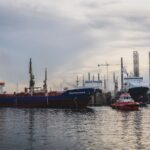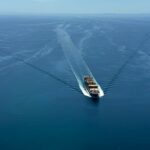
The ongoing Houthi naval blockade on Saudi Arabia has compelled a substantial rerouting of crude shipments, resulting in heightened global tanker shortages and escalating freight rates. According to analysis from S&P Global, Saudi Arabia has increasingly relied on its East-West pipeline, which has enabled Asian buyers to lift cargo from the port of Yanbu on the Red Sea without transiting the strategic Strait of Hormuz.
In the second quarter of 2026, approximately 3.9 million barrels per day (b/d) of crude were loaded from Yanbu, exceeding the previous year’s figures. Notably, around 80% of these shipments were directed eastward towards Asia. However, the heightened threat level posed by Yemen’s Houthi militia has discouraged most shipping operators from using the Bab al-Mandab Strait for southbound Saudi oil transits, thereby forcing a long detour via the Suez Canal and around the African continent. Andrea Olivi, head of shipping at Trafigura, highlighted that this rerouting adds over 30 days to journeys destined for China.
Impact on Shipping and Freight Rates
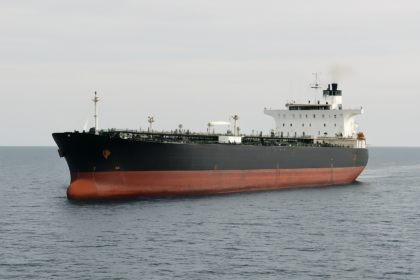
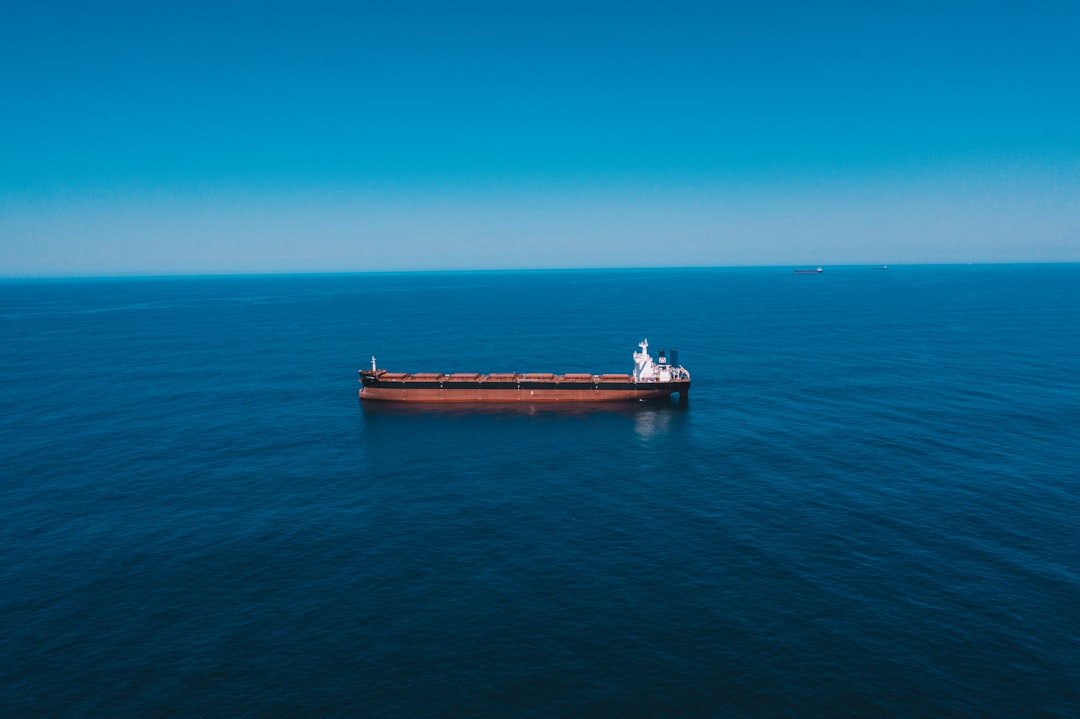
The rerouting of crude has raised significant questions about the availability of Saudi crude in Asia versus Europe. The change has exposed a critical shortage of vessels, particularly very large crude carriers (VLCCs) in the Atlantic and Mediterranean regions, complicating logistics for shipping companies. Current analysis indicates that only 74 VLCC units are available for West-of-Suez voyages, representing about 10% of the conventional fleet, according to a July 24 report from Gibson shipbrokers.


The cost of transporting a 270,000 metric ton cargo of crude from Yanbu to the Far East has risen sharply, assessed at $66.87 per metric ton as of July 28, up from $32 per metric ton when the assessment commenced in early May. This dramatic increase in freight rates further confirms the heightened shipping pressures resulting from the Houthi blockade.
Cautious Shipping Operations
The shipping community has responded with increased caution due to the threats from Houthi forces. Data from CAS indicates that traffic through the Bab al-Mandab Strait has dwindled to roughly 75% of its levels from early July, with most vessels opting to travel southbound from non-Saudi ports. The Houthi faction has claimed responsibility for recent drone and missile attacks targeting sensitive Aramco-affiliated facilities, creating further uncertainty and prompting shipping firms and insurers to reassess their routing strategies.
According to shipbroker Xclusiv, the Houthis have effectively generated sufficient apprehension among commercial operators, prompting a reevaluation of route options without resorting to a full blockade. Freight costs for the Yanbu-to-Asia route are projected to increase significantly, with forecasts suggesting a rise from mid-to-high $5/b rates to mid-to-high $9/b via Suez Canal and the Cape of Good Hope, assuming transient rates remain stable. The surge in fuel costs may also contribute to this upward pressure on freight rates, as noted by leading bunker supplier Peninsula.
The Operational Read
The operational landscape for shipping operators is becoming increasingly complex due to the Houthi blockade. With VLCCs facing significant restrictions on capacity during Suez Canal transits, logistical planning must account for both the extended voyage times and rising freight costs. This development necessitates careful consideration of routing decisions, as operators weigh risks against potential freight gains. Future monitoring is critical, particularly regarding Houthi activities, fuel price fluctuations, and vessel availability, all of which will play vital roles in shaping shipping strategies and market dynamics.