Update 30 Jul 2026, 08:35 UTC:
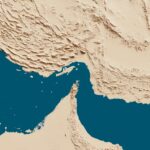
The United States has sanctioned two Iranian companies, Persian Gulf Marine Insurance Company and HormuzSafe Marine Services Authority, for their involvement in an alleged extortion scheme targeting commercial shipping in the Strait of Hormuz. According to the US Treasury Department, these companies are linked to the Iranian Revolutionary Guard Corps (IRGC) and are said to be forcing vessels to purchase Iranian-approved maritime insurance for passage through this strategic chokepoint.
The Companies Involved
Pursuant to the sanctions, which are part of broader efforts to counter Iranian influence in maritime operations, these firms have been identified as selling mandatory insurance policies that claim to protect vessels from potential seizure or related risks. This practice has raised significant concerns within the shipping industry, as operators may be coerced into purchasing these policies to mitigate the risks of navigation in a historically volatile region.

Impact on Commercial Shipping
The Strait of Hormuz is known for its critical role in global energy supply, with a significant share of the world’s oil transiting through the channel. The requirement for vessels to obtain insurance from Iranian companies poses a financial burden that could affect shipping operational costs and logistics. Operators might also face increased insurance premiums or be forced to reroute their ships, potentially affecting delivery schedules and overall efficiency.
The Operational Read
The operational reality surrounding these sanctions underscores a pressing challenge for international shipping companies operating in high-risk areas. By compelling vessels to secure insurance through sanctioned entities, the IRGC’s alleged tactics threaten to disrupt market norms and create a dual-risk environment for commercial shipping. Industry stakeholders must closely monitor the evolving geopolitical landscape in the region, including fluctuations in insurance premiums and potential impacts on laytime and demurrage. Operators may need to reassess operational strategies and consider alternative routes to mitigate risks associated with compulsory transactions dictated by Iranian authorities, thus ensuring continuous compliance with international regulations while safeguarding their assets.