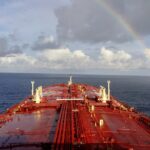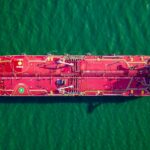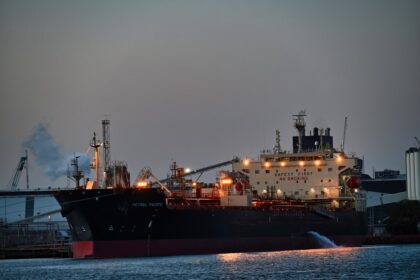
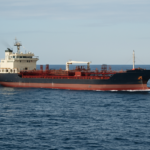
On July 20, Houthi forces announced a full maritime blockade of Saudi Arabia, effectively closing the Bab al-Mandab Strait to vessels servicing Saudi ports. This strategic move has already prompted at least three oil tankers, including the Chinese Very Large Crude Carrier (VLCC) Xin Long Yang, to abandon their course toward Yemen and reroute back to Suez.
The Scope of the Blockade
The Bab al-Mandab Strait serves as a crucial artery for global maritime shipping, accounting for around 7% of the world’s oil transport. Following the blockade declaration, the Houthis escalated their operations by launching missile and drone strikes against two Saudi-flagged tankers, causing significant fires and escalating tensions further.
This latest crisis compounds ongoing difficulties in the Strait of Hormuz, which has experienced severe disruptions since the onset of the US-Israel engagement with Iran in late February. Vessels transiting the Strait of Hormuz have reportedly plummeted about 95% since the collapse of a ceasefire in early July, putting extraordinary pressure on the maritime transport of oil and gas.

Impact on Oil Supply and Markets
Current transit data indicates that the back-and-forth policies in the region have resulted in a marked decline in oil and LNG tankers traversing the Strait of Hormuz. Reports indicate transit volumes dropped 62% in the weeks following the ceasefire breakdown and have since fallen an additional 87%, reflecting long-term stagnation rather than temporary fluctuations.
This substantial reduction in maritime activity comes at a time when TC rates have only modestly adjusted, indicating that the market had already priced in some level of Gulf risk. For VLCCs, the average TC rate rose from $110,139 per day to $113,310 per day, an increase of approximately 3%. This trend is indicative of the market’s focus on regional stability as a critical factor influencing operational costs.
Oil prices reacted sharply to the news from the region, breaking the $100 per barrel threshold for the first time since May, following sustained military exchanges between the US and Iran.
The Operational Read
The ongoing crisis underscores the intricate links between the Bab al-Mandab and the Strait of Hormuz, as Saudi Arabia has increasingly relied on Red Sea routes to mitigate disruptions in Hormuz. The blockade and recent attacks signal escalating operational risks that shipping companies must now navigate. Monitoring developments around Houthis’ further actions, tanker rerouting decisions, and ongoing transit volumes will be crucial indicators of market stability moving forward. Operators should brace for potential increases in operational costs and examine alternative routing strategies while keeping a keen eye on evolving geopolitical dynamics.