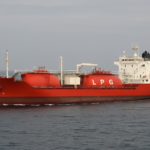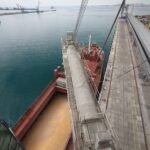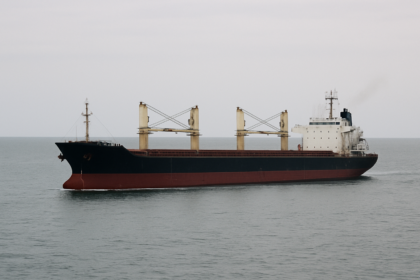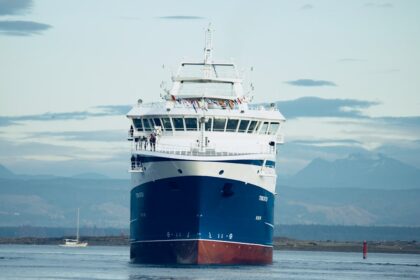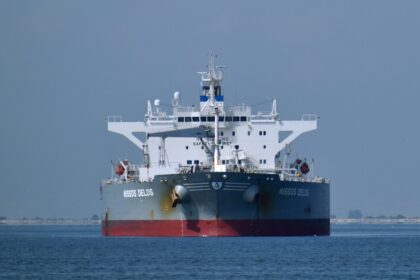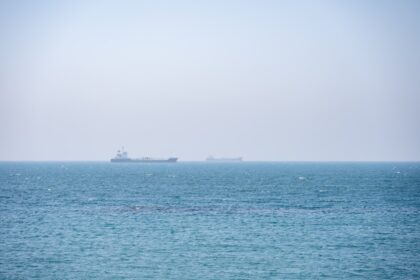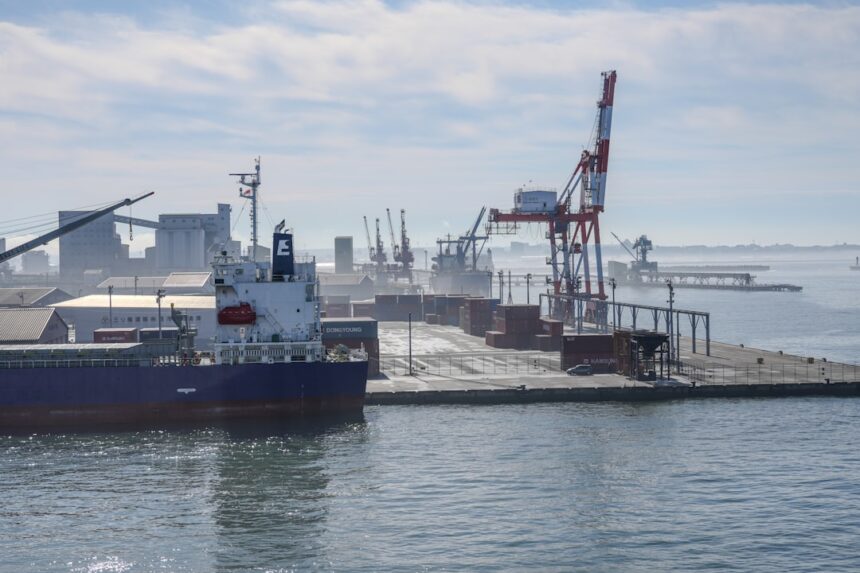
Russia’s largest oil port, Novorossiysk, has resumed crude oil loadings following a halt of several days caused by adverse weather conditions and escalating drone threats in the Black Sea region. The Suezmax-class vessel, Suez Ice Supreme, successfully departed the Sheskharis oil terminal on Sunday, as per vessel tracking data.
The Disruption
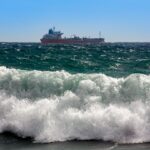
The Sheskharis terminal, which has averaged shipments of 650,000 barrels of crude per day in 2026, paused operations on Tuesday due to increased drone strikes targeting vessels in the Black Sea and the Sea of Azov. Weather concerns compounded the operational challenges, with storm warnings affecting loading schedules. The terminal’s operations were essential for meeting ongoing demand amidst a fluctuating global oil market.
The situation was further complicated last week when drone attacks halted loading operations at the nearby Caspian Pipeline Consortium terminal, critical for exporting Kazakh crude. This disruption prompted producers in Kazakhstan to cut output, highlighting the interconnected nature of the regional oil supply chain.

Market Impact
The recent resumption of crude loading at Novorossiysk is expected to alleviate supply pressures in global oil markets, particularly as U.S. military actions against Iran have also been paused, providing a more stable outlook for oil exports. A steady flow of crude oil from Novorossiysk and the CPC terminal could contribute to balancing oil prices, which have been influenced by geopolitical tensions in the Black Sea region.
The Operational Read
The resumption of operations at Novorossiysk underscores the complexity of maritime logistics affected by both natural conditions and geopolitical events. With the Sheskharis terminal back in action, operators can look to maintain steady oil flows, supporting market equilibrium. Shipping firms should remain vigilant to potential risks from ongoing drone threats, as these incidents can disrupt operations unpredictably. The situation emphasizes the importance of real-time intelligence on operational threats and weather conditions to ensure vessel safety and timely deliveries.