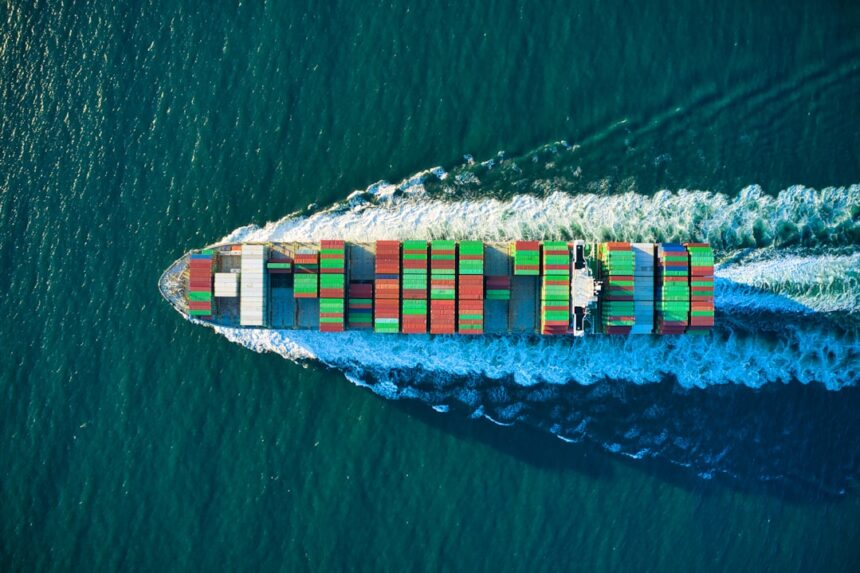
CMA CGM, a leading global container shipping company, is set to implement an emergency fuel surcharge (EFS) on August 1, in response to escalating hostilities in the Middle East. The surcharge will be applicable across all global trade lanes, addressing the recent surge in energy prices linked to heightened tensions in key maritime routes.
Details of the Surcharge
The EFS will amount to $150 per TEU (20-foot equivalent unit) for long-distance headhaul trips, while backhauls and regional services will incur a fee of $75 per TEU. This decision follows a significant increase in crude oil prices, with Brent crude surpassing $100 per barrel for the first time this month.
Geopolitical Context
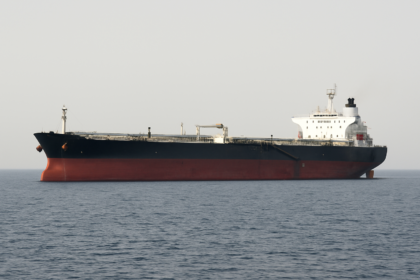
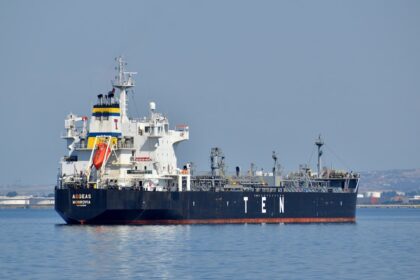
The urgency of the surcharge comes against a backdrop of increasing threats from Houthi attacks in the Bab el-Mandeb Strait. According to the United Kingdom Maritime Trade Operations (UKMTO), Yemen-based Houthi forces have targeted a tanker in the Red Sea, which marks a notable escalation in regional hostilities not seen since September. This worrying trend poses risks not only for safety but also for the continuity of maritime trade, particularly as the Bab el-Mandeb is a crucial passage for vessels coming from Asia.

Lars Jensen, president of consultancy Vespucci Maritime, pointed out that while a steady stream of traffic continues through the Bab el-Mandeb Strait, any future impediments could severely disrupt Asia-Red Sea cargo flows. Jensen emphasized that if operational routes are obstructed, shippers may be forced to divert cargo to less optimal ports, recalling past instances when activities in the Strait of Hormuz were similarly impacted.
Market Dynamics
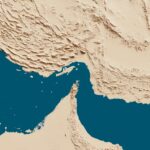
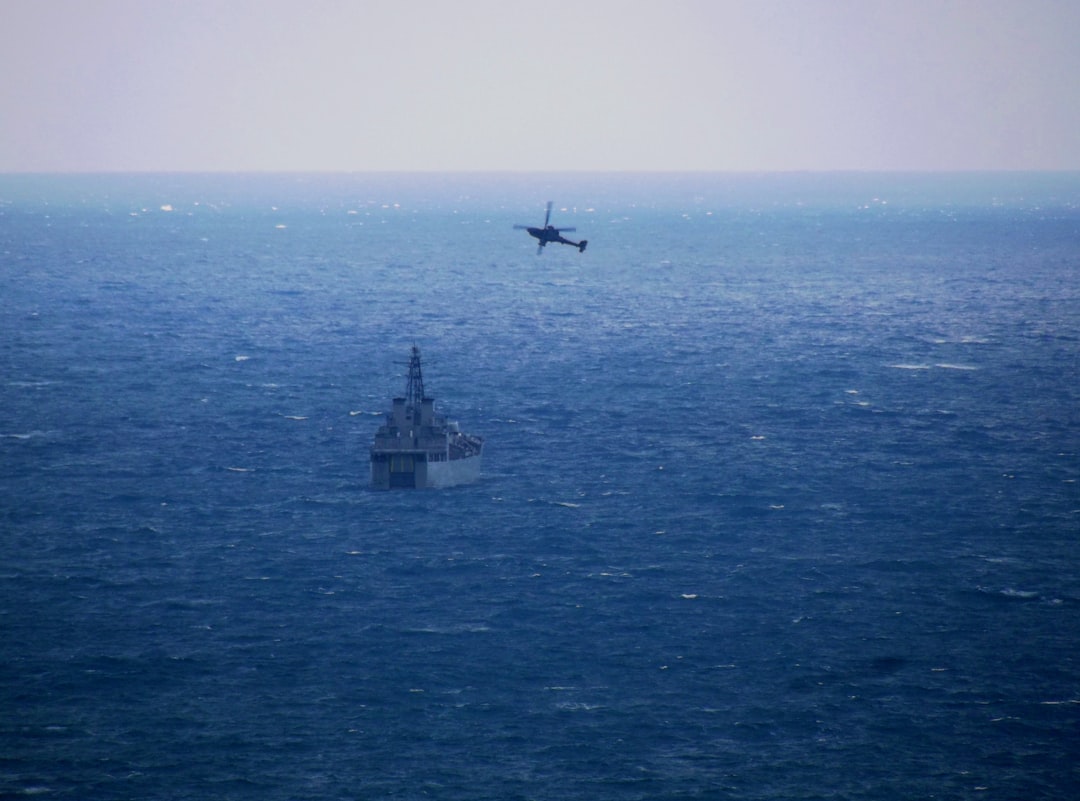
The current situation has also placed pressures on the insurance markets related to shipping operations. The limitation of traffic through the strategically important Strait of Hormuz, which typically accommodates around 150 vessels daily, currently reflects a constrained operational environment. In the last 24 hours, only 15 vessels transited the Strait, underscoring the severity of the current geopolitical climate.
Despite container shipping accounting for less than 2% of global capacity passing through this chokepoint, higher bunker fuel prices resulting from these tensions continue to bolster shipping rates across trade lanes. This increase can adversely affect industries reliant on containerized shipping for transporting essential materials, notably in the chemical sector.
The Operational Read
The implementation of the emergency fuel surcharge by CMA CGM highlights the operational challenges faced by global shipping lines in a volatile geopolitical landscape. As tensions continue to escalate in the Middle East, operators must closely monitor developments in maritime security and potential disruptions to trade flows. The impact of rising fuel costs will ripple through supply chains, influencing charter rates and shipping routes. Stakeholders in the shipping community should prepare contingency plans for the possible rerouting of cargo and the management of rising operational costs to mitigate the impact of these geopolitical uncertainties.