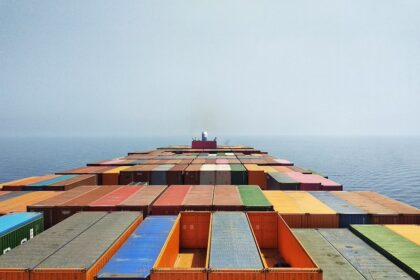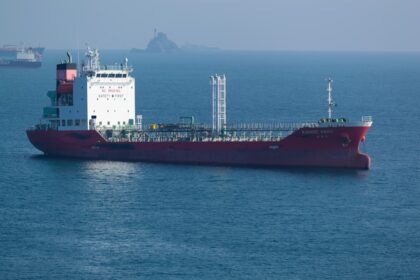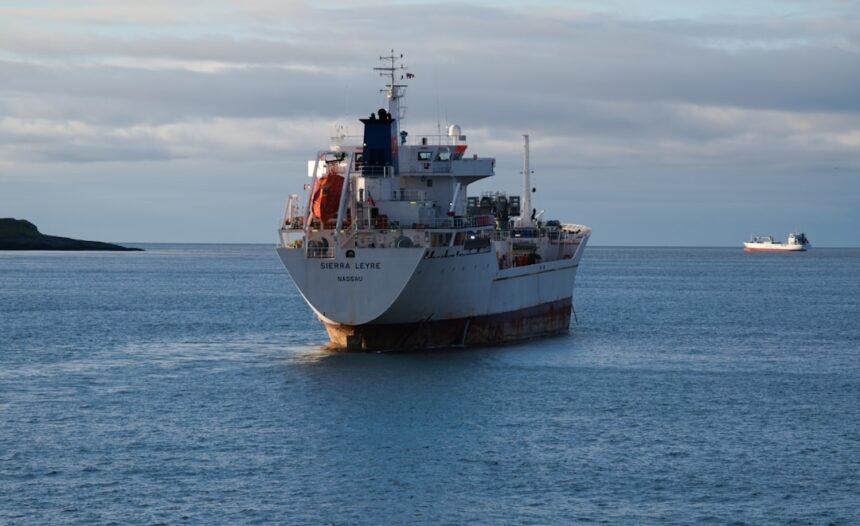
This past weekend marked a potential turning point in the Strait of Hormuz as military actions between the US and Iran were put on hold, resulting in the least bustling period in maritime activity in nearly two weeks. Following the Pentagon’s decision to halt its bombing campaign after 13 consecutive nights of strikes, the strait remained largely devoid of commercial shipping movement.
Impact on Commercial Shipping
Despite the cessation of hostilities, commercial shipping operations were unable to regain momentum. The Strait of Hormuz, a crucial chokepoint through which approximately 20% of the world’s oil supply transits, is essential for international maritime trade. However, ongoing geopolitical tensions severely impede laytime and increase risks associated with demurrage for vessels awaiting transit. Many operators remain on high alert, assessing their options for rerouting to avoid this increasingly turbulent passage.
Broader Regional Implications
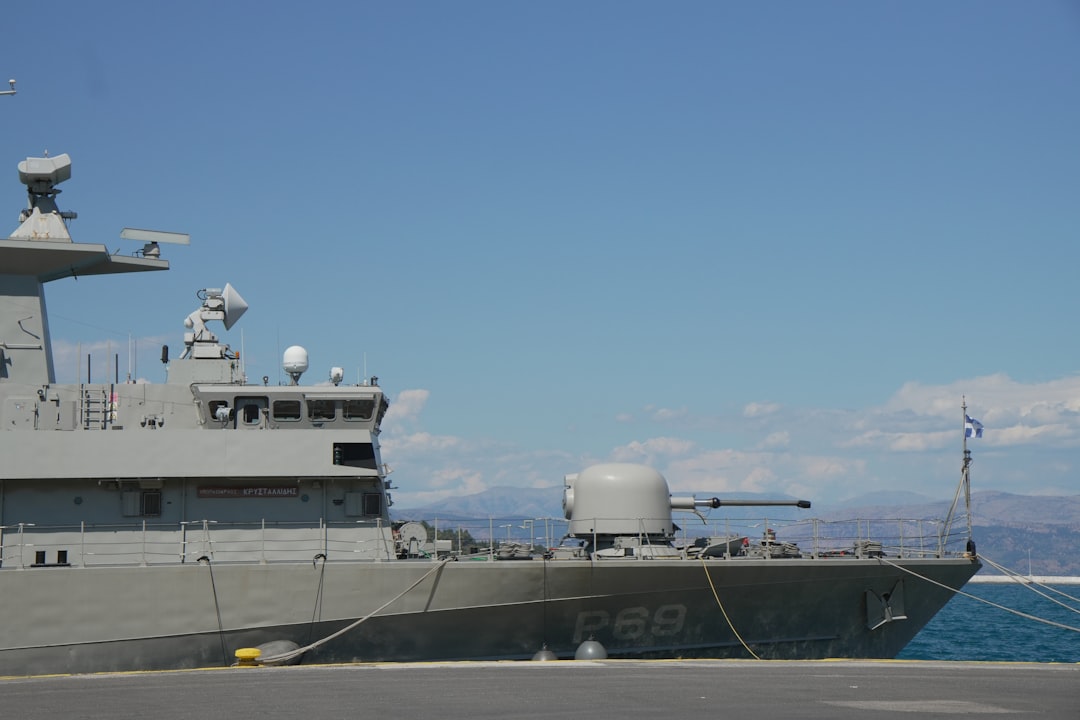
The cessation of strikes provides temporary relief but fails to mitigate the larger implications for regional maritime security. Observers have noted a spreading pattern of tensions towards the Red Sea, prompting increased vigilance among shipping operators and governments alike. Any resurgence in hostilities could lead to higher war risk premiums for chartered ships transiting these waters, further destabilizing shipping routes.

The Operational Read
The current operational environment in the Strait of Hormuz demands heightened awareness and contingency planning for vessel operators and charterers. With geopolitical instability likely to persist, companies must consider comprehensive risk assessments and may explore alternative routes such as the Cape of Good Hope to mitigate exposure to potential hostilities. Continuous monitoring of the situation will be necessary to adapt to changing conditions and ensure commercial viability in a precarious region.