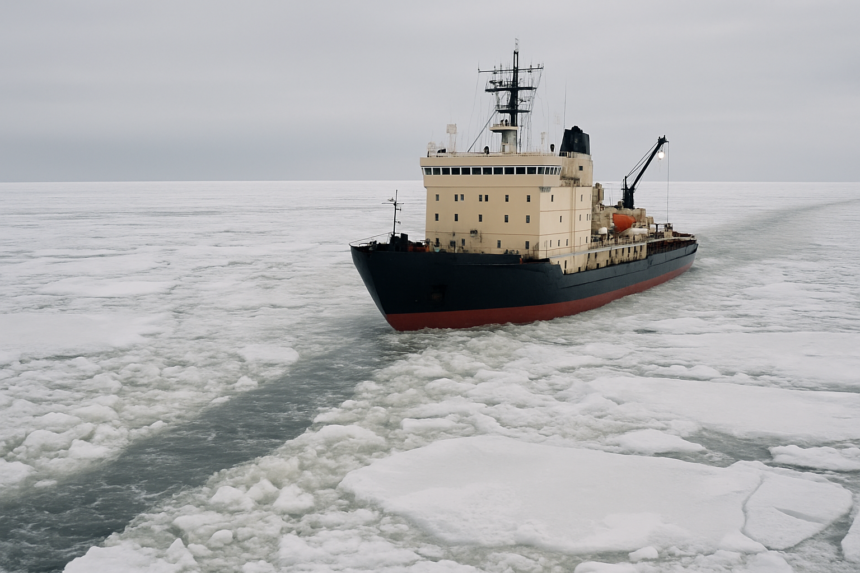
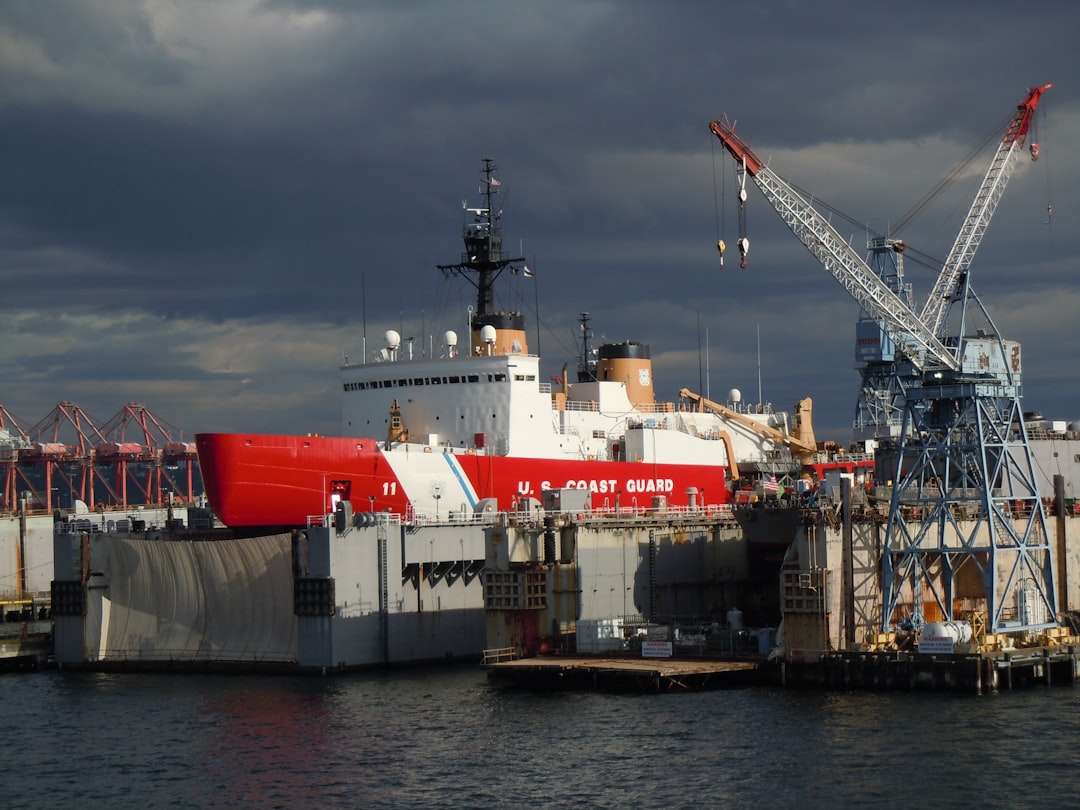
The U.S. Coast Guard’s icebreaker Healy was towed back to Seattle after experiencing a significant engineering casualty during post-refit sea trials off the Washington coast on July 13. This incident, which was characterized by a crankcase explosion in one of the vessel’s engines, necessitated immediate attention and repairs.
The Incident
While conducting high-speed sea trials northwest of Port Angeles, the 420-foot icebreaker reached speeds exceeding 20 knots before an abrupt slowdown to approximately 2 knots. Tugboats from Foss Maritime were called to assist and safely towed Healy back to its homeport in Seattle. Fortunately, no injuries were reported during this incident, highlighting the crew’s competent response under pressure.
Sources indicate that the explosion happened in the engine room shortly after the vessel completed a period of maintenance at the shipyard. While the Coast Guard did not disclose specific details about the nature of the engineering casualty, marine engineering specialists noted that the ramifications of a crankcase explosion can range from minor repairs to catastrophic failures.

Current Response and Investigation
Upon arrival in Seattle, an investigation was launched to assess the damage incurred during the incident. The Healy is powered by dual-engine rooms featuring four medium-speed Sulzer 12ZAV40S diesel generators, affording some operational redundancy. This engineering layout allows for independent operation, which is critical for icebreaker functionality.
Damage assessments will determine whether the crankcase explosion resulted in limited impact or whether extensive repairs, including potential engine replacements, would be necessary. Early observations suggest that modern safety features, such as crankcase relief valves, may have mitigated extensive damage, but confirmation will come through thorough investigation.
The Operational Read
This incident underscores the broad operational challenges faced by the U.S. Coast Guard, particularly in maintaining a capable icebreaking fleet essential for Arctic operations. The Healy’s engineering casualty serves as a reminder of the potential risks involved in high-speed trials, which are critical for assessing the vessel’s performance. As marine operators watch closely, the need for a resilient and modern icebreaker fleet becomes increasingly paramount amid evolving strategic interests in the Arctic region. Continued investments and timely upgrades will significantly enhance operational safety and readiness, ensuring the Coast Guard can meet its commitments in securing maritime access and regional interests.